

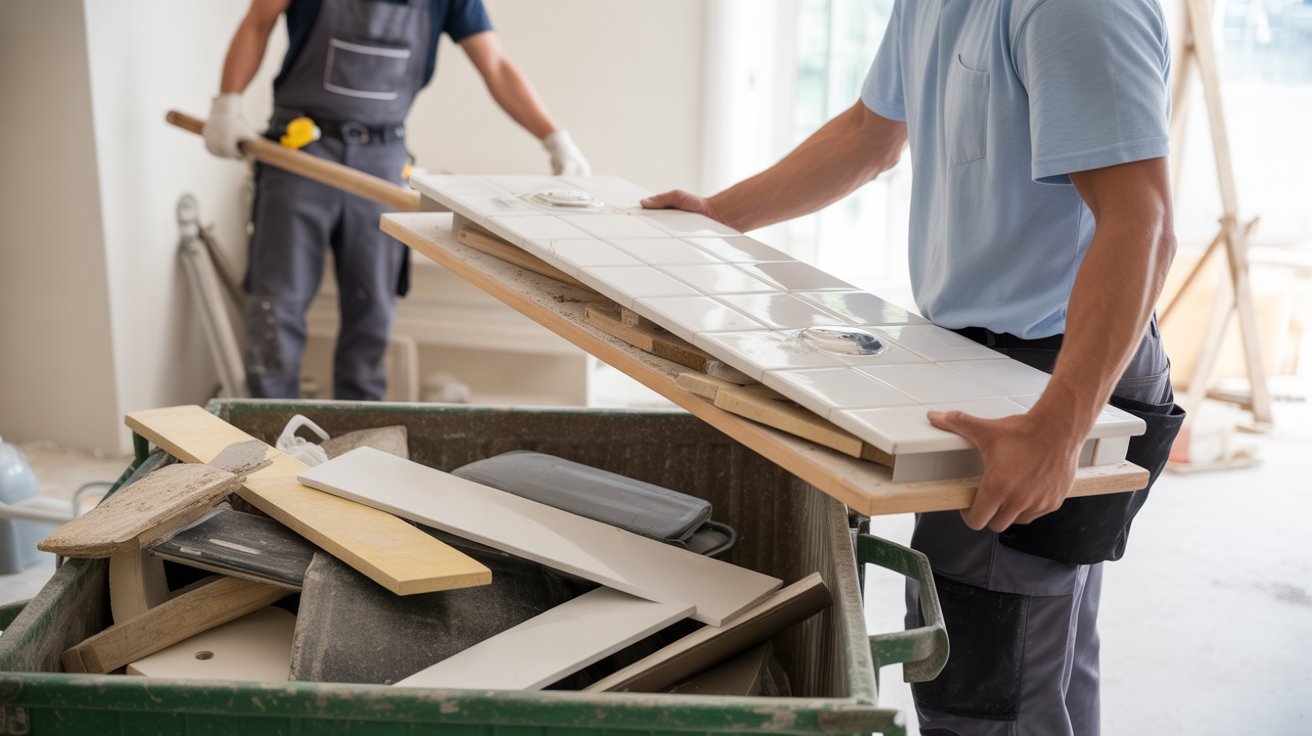
Renovating your home can be exciting, but the waste left behind can feel overwhelming. Old materials, broken fittings, dust, and packaging can quickly take over your space. Learning how to manage waste properly helps keep your renovation organised and stress-free.
Here is an easy, practical guide to waste removal during home renovations.
Understand the Types of Waste Renovations Create
Renovations produce more than just general rubbish.
First, you will have demolition waste like tiles, bricks, timber, and plaster.
Next, you will deal with packaging from new materials.
Then, there are old fixtures such as sinks, toilets, cabinets, and doors.
After that, you may encounter hazardous materials like paint, adhesives, or insulation.
Knowing what to expect helps you choose the right disposal methods.
Use Skip Bin Hire for Simple, Stress-Free Removal
One of the most effective ways to manage renovation waste is skip bin hire.
A skip bin gives you a large, sturdy container to throw waste into as you work.
Next, it keeps the renovation area clear, reducing hazards.
Then, you can choose the bin size that matches your project needs.
After that, the company delivers the bin, you fill it, and they collect it when you are finished.
Finally, hiring a skip bin saves you from making multiple trips to disposal centres.
It is the easiest way to handle big volumes of material.
Sort Your Waste as You Go
Sorting waste early prevents a huge mess later.
Start by creating separate piles for recyclables, general waste, and hazardous materials.
Next, place clean timber, metal, and cardboard in the recycling pile.
Then, put tiles, plaster, and rubble in general waste.
After that, keep paints, chemicals, and adhesives aside until you can dispose of them safely.
Finally, sorted waste speeds up the final cleanup process.
Keep Pathways and Work Areas Safe
Renovation sites become dangerous when debris spreads around.
First, clear waste daily to avoid slips or injuries.
Next, remove sharp items like nails or broken tiles immediately.
Then, sweep up dust and small fragments to improve visibility.
After that, place your skip bin close to the work area so waste goes straight into it.
Finally, a tidy space helps workers move quicker and reduces risks.
Follow Waste Disposal Rules
Different materials require different disposal methods.
Start by understanding what your skip bin can accept.
Next, note that items like asbestos, chemicals, and batteries cannot go into regular skip bins.
Then, follow local council guidelines for disposing of restricted or hazardous items.
After that, contact professionals for dangerous materials such as asbestos.
Finally, proper disposal avoids fines and protects the environment.
Reuse and Recycle What You Can
Not all renovation waste needs to be thrown away.
You can reuse timber, bricks, or tiles for small home projects.
Next, donate working appliances, doors, or cabinets to charities or recycling centres.
Then, recycle cardboard, metal, and clean packaging materials.
After that, saving reusable items reduces landfill waste.
Finally, recycling helps your renovation have a smaller environmental footprint.
Prepare for Continuous Cleanup
Waste builds up at different stages of your project.
Start with pre-renovation clearing.
Next, remove debris after demolition.
Then, clean up after each installation stage.
After that, use the final days of your renovation to do a full deep clean.
Finally, regular cleanup keeps the project running smoothly.
Final Thoughts
Home renovation waste does not need to be stressful. With smart planning, simple sorting, and the help of skip bin hire, you can manage debris easily and safely. An organised waste removal process keeps your home cleaner and makes your renovation more enjoyable from start to finish.
If you want more articles like this, just let me know!
