

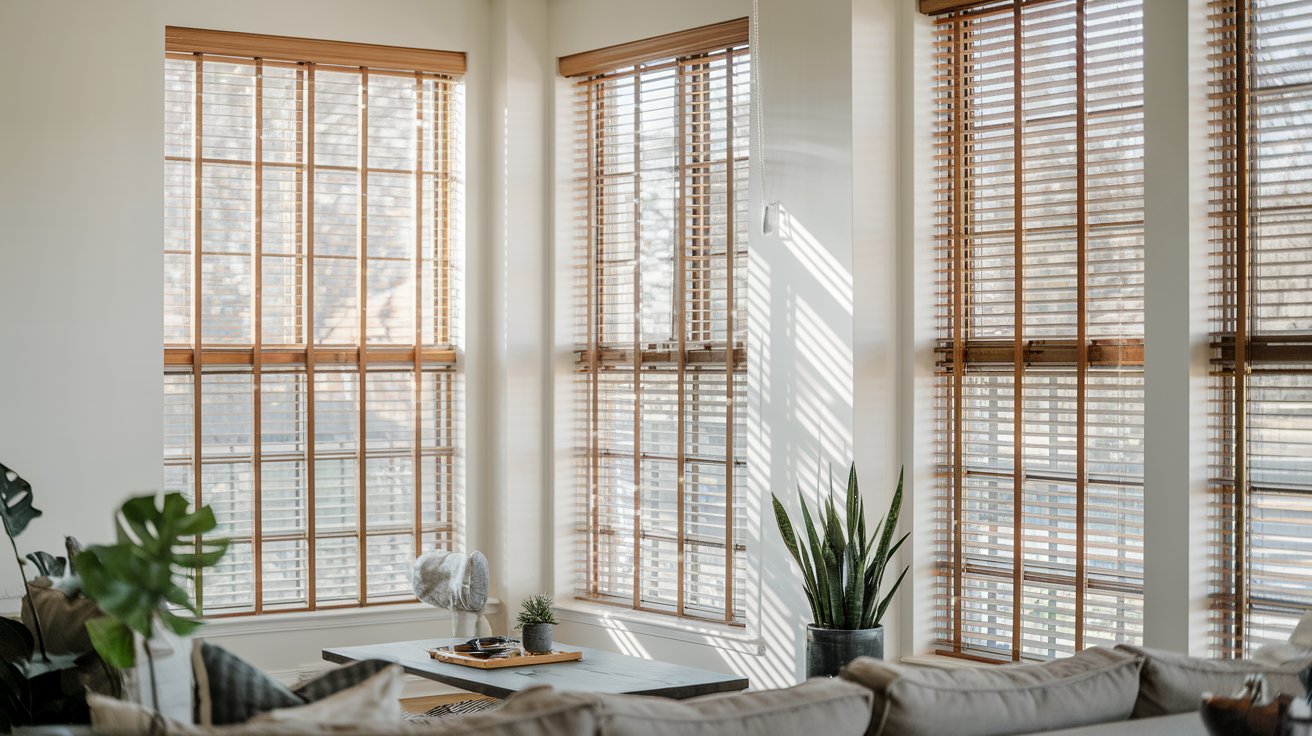
Choosing the right blinds for windows is one of the simplest ways to upgrade the comfort and appearance of your home. Window treatments affect how much natural light enters your space, how private your rooms feel, and how well your interior stays insulated. Many homeowners also consider styles such as Plantation Blinds to achieve versatile light control with a clean and classic finish.
Across the U.S., the demand for blinds for windows continues to grow, mainly because these treatments balance style with practicality. They are easy to maintain, match different décor styles, and help improve both comfort and energy efficiency.
Why Blinds for Windows Are So Popular in U.S. Homes
Blinds offer flexible light control, which is especially useful in homes with strong sun exposure or street-facing windows. They make it easy to filter sunlight, block glare, or create full darkness when needed. Blinds for windows are also available in a wide range of materials, which allows homeowners to choose the right combination of durability and style.
Another major reason for their popularity is energy performance. Blinds help reduce heat gain during hot months and retain warmth during colder seasons. This makes them suitable for climates across the country where temperatures shift throughout the year.
Top Types of Blinds for Windows in High Demand
Faux Wood Blinds
Faux wood is a top choice for areas that deal with moisture, such as bathrooms and kitchens. These blinds mimic real wood but resist humidity and warping, which helps them last longer.
Real Wood Blinds
Real wood adds a natural, timeless look. These blinds pair well with many interior styles, including farmhouse, traditional, and modern designs. They work best in living rooms, bedrooms, and dining areas.
Vertical Blinds
Vertical blinds remain highly popular for patio doors, sliding doors, and large windows. They are easy to operate and provide strong control over glare and privacy.
Roller Blinds
Roller blinds offer a simple, minimal look that works well in bedrooms, offices, and living rooms. They come in blackout, light-filtering, and solar-screen fabrics, giving you plenty of options depending on your lighting needs.
Cellular Shades
Cellular shades, often grouped with blinds for functional reasons, are known for strong insulation. Their honeycomb design traps air, helping maintain consistent indoor temperatures.
Aluminum Mini Blinds
These blinds are lightweight, affordable, and easy to maintain. They are frequently used in rental properties or high-traffic rooms where durability and easy cleaning matter.
Roman Blinds
Roman blinds add softness and dimension to a room with their fabric folds. They are ideal for dining rooms, living rooms, and bedrooms that need an elegant touch.
How to Choose the Right and Stylish Blinds for Windows
Selecting the best blinds for windows depends on how each room is used and how much control you want over light and privacy.
Light Control
- Bedrooms often need blackout blinds.
- Living rooms benefit from light-filtering options.
- Media rooms may need room-darkening blinds to reduce glare.
Consider the direction your windows face and how much sunlight the space receives.
Privacy
Blinds with adjustable slats allow you to angle the light while keeping views from outside limited. This makes them especially useful for first-floor rooms or spaces near busy streets.
Durability
Homes with children or pets often choose materials like faux wood, aluminum, or thicker roller fabrics. These handle wear and cleaning better than delicate options.
Room Conditions
Moisture, heat, and window size influence your choice:
- Moisture-heavy spaces like bathrooms need faux wood or vinyl.
- Hot rooms benefit from cellular or solar-filtering styles.
- Large windows work better with vertical blinds.
Interior Style
The blinds you choose should reflect your overall décor:
- Minimalist homes may prefer roller or cellular blinds.
- Traditional and warm interiors often look best with wood blinds.
- Modern spaces can benefit from vertical or aluminum blinds.
Benefits of Installing Blinds for Windows
Improved Light Control
Blinds let you adjust natural light in an instant. Whether you want open sunlight or a darker environment, the flexibility helps you customize the room.
Stronger Privacy
Adjustable slats help maintain privacy while still allowing daylight into the space, which is especially useful in densely populated neighborhoods.
Energy Efficiency
Many blinds for windows help reduce heat transfer, creating a more balanced and energy-efficient home.
Low Maintenance
Blinds are easier to maintain than heavy curtains. A quick wipe or dusting keeps them looking clean.
Design Versatility
With so many finishes, textures, and colors available, blinds can easily fit into any home design.
Best Rooms to Use Blinds for Windows
Living Room
Blinds help reduce glare on TV screens while keeping the living space bright and comfortable.
Bedroom
Blackout roller blinds, Roman blinds, or wood blinds provide the privacy and darkness needed for good rest.
Kitchen
Moisture-friendly materials like faux wood work well in kitchens and are simple to wipe clean.
Bathroom
Vinyl and faux wood blinds resist humidity and maintain privacy.
Home Office
Light-filtering blinds reduce screen glare without darkening the space too much.
Maintenance Tips for Long-Lasting Blinds for Windows
To keep your blinds in good shape:
- Dust them often.
- Use a soft cloth for deeper cleaning.
- Vacuum fabric blinds with a brush attachment.
- Close slats before wiping them.
- Avoid strong cleaning chemicals.
These simple steps help preserve both appearance and function.
FAQs (Google PAA Style)
1. What blinds for windows work best in bedrooms?
Blackout roller blinds or wood blinds offer strong privacy and light control.
2. Are blinds for windows easy to clean?
Yes, most can be cleaned with dusting or a soft cloth.
3. What blinds should I use for large windows or patio doors?
Vertical blinds are ideal because they move smoothly and cover wide openings well.
4. Are blinds more energy efficient than curtains?
Some blinds, especially cellular shades, provide better insulation than basic curtains.
5. Which blinds resist moisture best?
Faux wood and vinyl blinds are the most moisture-resistant.
6. How long do blinds for windows generally last?
With regular care, many blinds last for several years.
7. Do blinds help reduce noise?
Cellular designs can offer mild noise reduction due to their insulating structure.
Conclusion
The right blinds for windows can improve comfort, privacy, and style in any room. From modern roller blinds to classic wood and moisture-resistant faux wood options, there is a fit for every space and lifestyle. These treatments are easy to maintain, offer strong light control, and work well throughout the home. If you’re updating your interior, choosing the right blinds for windows is a simple way to make your rooms feel more balanced and visually appealing.
