

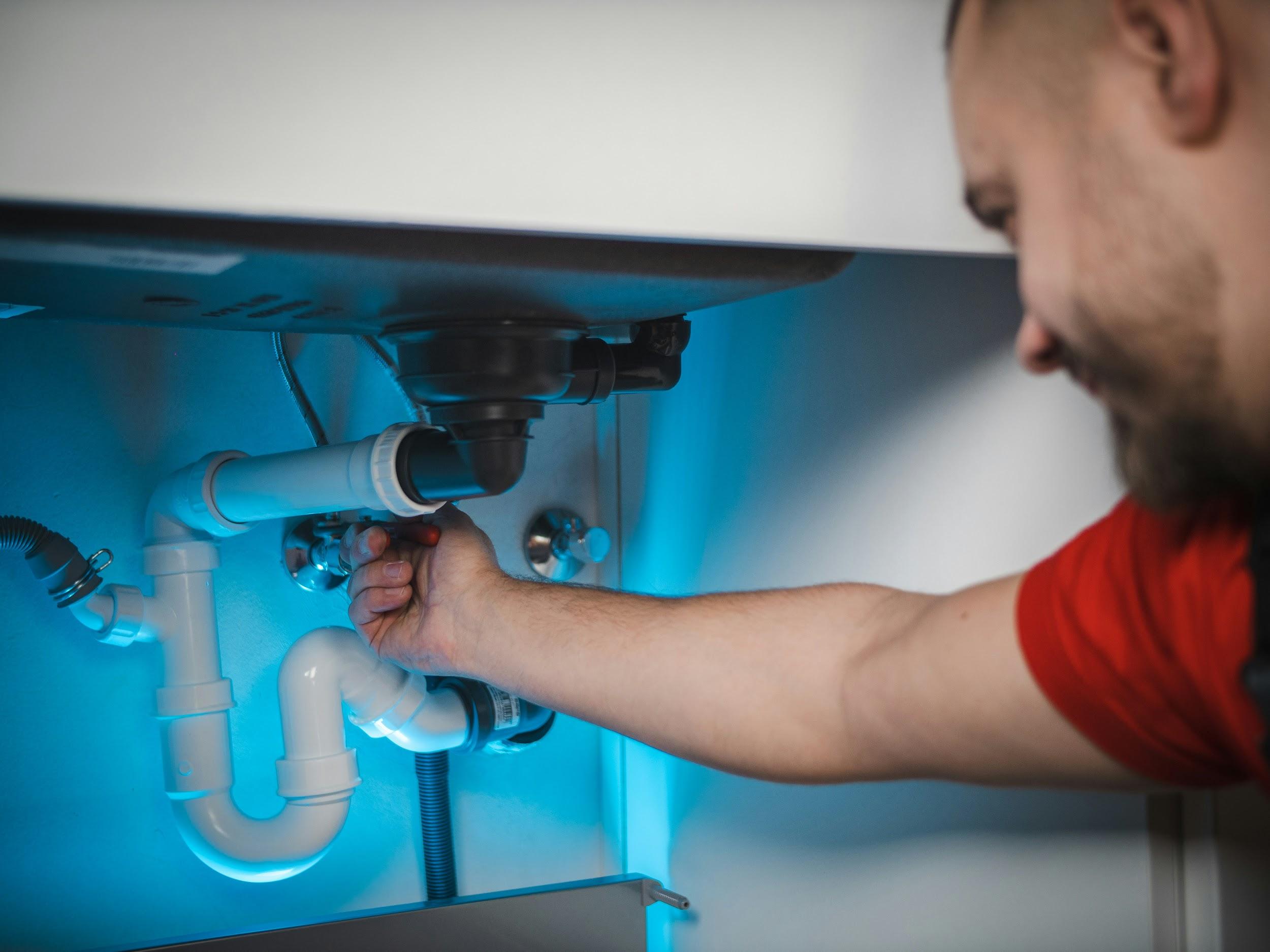
Plumbing repairs can be expensive because they are a critical part of your home. When repairs are needed, it is important to make them early to prevent water damage. Not all water damage requires professional help; you can fix most plumbing issues with simple maintenance tips. This is why it is important for you to catch plumbing issues early so they can be fixed quickly. In this guide, we will discuss some simple home maintenance tips to help you avoid expensive plumbing repairs.
Check Regularly for Leaks
Regular plumbing inspections are necessary to catch leaks early, before they cause water damage. They often start small and may be hard to detect without careful inspection because small leaks rarely cause visible damage.
Check around the toilets, behind the washing machine, under the sinks, and near the water heater. Look for moisture, musty smells, or discoloration as these are signs of water leaks. Tiny leaks will waste water, weaken your house's structure, walls, cabinets, or floors. Detecting leaks early is the difference between a major plumbing problem and a minor DIY fix.
Fix Small Drips Immediately
A drip in a faucet or toilet may seem like a minor issue, but it is an indicator of a bigger problem. It often indicates a worn seal, washer, or an internal part that needs to be replaced. These parts will continue to degrade until the dripping becomes worse and water damage occurs.
Fixing these issues as soon as you detect them is important to minimise damage. It stops water wastage and prevents further damage to your fixtures. It is also cheaper to replace these worn parts now than to wait for the damage to get worse or fail.
Do Not Pour Grease Down Drains
Grease is a common cooking ingredient, so this hazard is mostly found in kitchen drains. Grease, when warm or hot, is liquid, but it becomes congealed when cool. This hardens the insides of pipes and, over time, can trap debris, leading to stubborn clogs. Very small amounts of grease poured down the drain can accumulate and cause bigger problems.
It is safer to allow grease to cool in a container and dispose of it in the trash. Adopting better kitchen habits like these helps keep your kitchen drains free of clogs and other hazards that could affect your plumbing. It also saves you money on cleaning and other services you may need to restore a blocked drainage.
Use Drain Screens
Drain screens trap debris that would have otherwise gone down the drain. Hair, food bits, and other debris are trapped so they can be disposed of properly. These screens help reduce hair clogs in bathroom showers and sinks, while keeping scraps from going down the drain in the kitchen. It is a versatile tool that should be deployed in every drain in your house. Using the drain screens during any drainage use is a habit that will stop clogs and save you thousands in drainage cleaning.
Clean Drains Regularly
Cleaning your drain should not be done when your drains are already clogged. If you wait for a blocked drainage before you clean, it becomes harder and more expensive for you. It is better to have scheduled routine cleaning than wait until an emergency. Soap residue, hair, food particles, and other debris can be quickly removed before they become a problem.
Routine maintenance uses gentle cleaning methods that are better than harsh chemicals used on clogs, which can damage the integrity of your pipes over time. With routine cleaning, your drains keep flowing smoothly, reducing the risk of sudden clogging.
Inspect Hoses and Supply Lines
Hoses and supply lines connect the essential water outlets in your house and ensure you have running water. This means that any problems at any point could be a potential water hazard if not detected. Your sinks, toilets, dishwashers, and washing machines are all connected by these hoses, and are susceptible to wear, cracks, bulges, or corrosion when aging or put under stress or.
A damaged hose can fail at any time, releasing a large amount of water and causing further damage. Regular checks help you to detect weak parts and have those sections replaced before they can cause serious damage.
Water Heater Maintenance
Your water heater is an important part of your home's water infrastructure and one of the most frequently used appliances in your home. It is constantly working, which can lead to sediment build-up over time.
This can make the heater less efficient, and the fit could shorten its lifespan. If you notice strange noises, small leaks, or rust-colored water, you should take action, as these are signs of trouble. Frequent basic maintenance will keep the heater running smoothly and reduce the chances of sudden breakdowns.
Protect Pipes in Cold Weather
The weather is a natural constant you have to face as a homeowner. It is important to make adequate preparations for winter. If your pipes freeze and burst, you will need professional plumbing services, depending on your area.
If you live in San Antonio, for example, San Antonio plumbing services would be the best option for your needs. Insulating exposed pipes is the best way to reduce the risk of damage. It is extremely important for you to protect Pipes in garages, attics, basements, and exterior walls as they are the most at risk.
Endnote
Plumbing repairs can be a lot if left to deteriorate. It is always better to catch problems early and fix them before they become major problems. Create a checklist of all the areas you need to examine, and schedule time to check each of them.
Schedule checks at consistent intervals to ensure that you cover everything. Investigate any suspected leaks or signs of water damage immediately and treat them as urgent. When hiring a professional, ensure that they have the right permits and insurance protection. This prevents any future problems and allows any plumbing work to go smoothly.
