

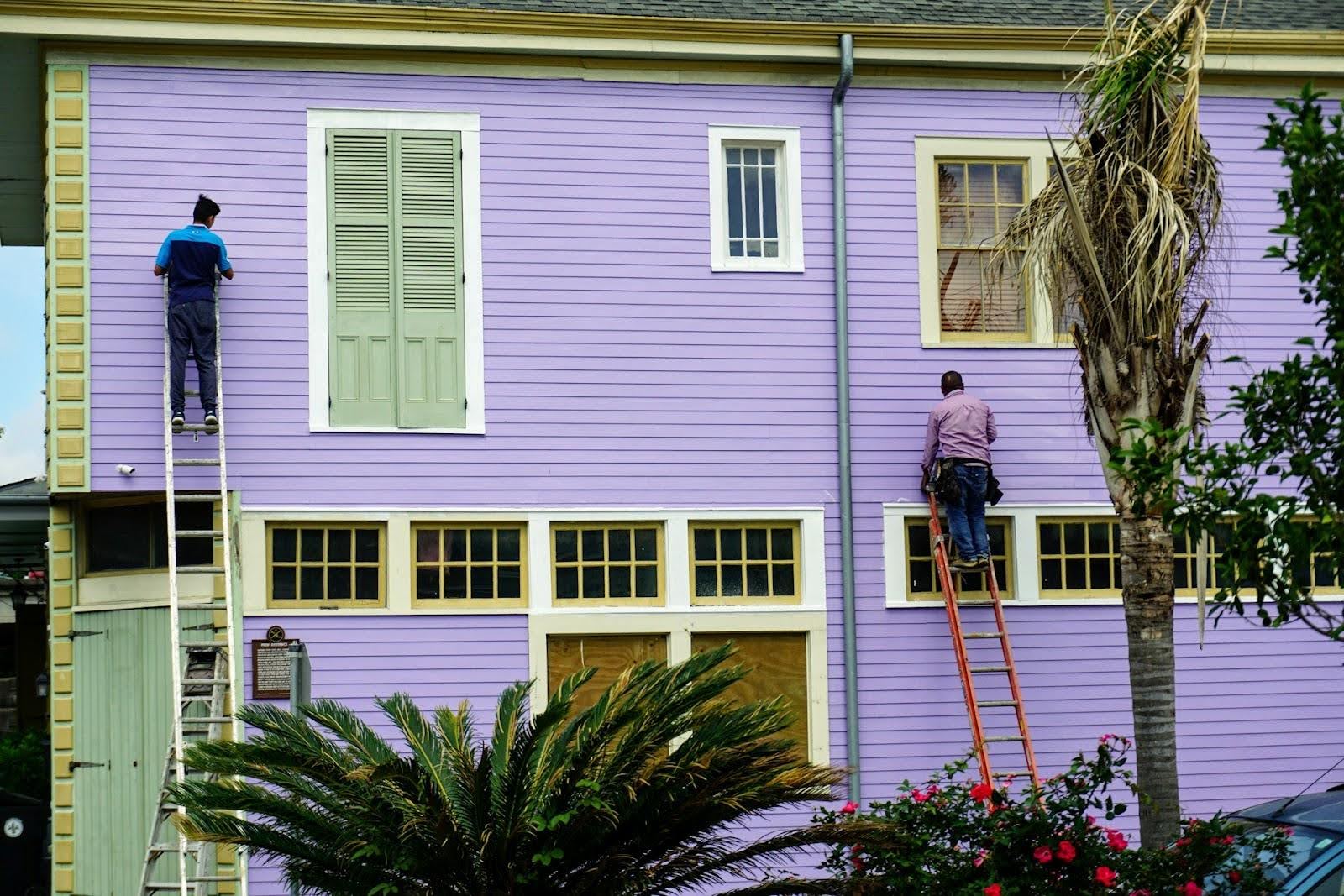
Home repairs are a common activity homeowners undertake to maintain their homes long-term. These repairs include professional and DIY work, ensuring every part of your house runs smoothly. When repairs are done on time, you spend less on more costly damage down the line. On the other hand, if mistakes are made during repairs, they can cause additional damage, leading to higher costs. In this guide, we will discuss common repair mistakes homeowners make.
Inadequate Paint Preparations
Painting is a common home repair that improves a home’s appeal to visitors and observers. Adequate preparation, such as surface cleaning, sanding, or priming, is required before the first coat of paint is applied. Skipping these preparations results in peeling and bubbles forming not long after application.
Without proper preparation, new coats of paint will not adhere to the wall, resulting in uneven finishes that require full stripping and repainting. Without proper preparation, your innocent weekend painting project can turn into a full stripping and repainting job that costs thousands to complete. Drying times between coats are also important, as rushing the job can trap moisture, leading to cracking. Proper preparation ensures that your paint lasts long and prevents callbacks.
Overtightening Hardware
You will encounter various materials during home repairs. Screws, bolts, nuts, and other fixtures will require tightening and setting. Overdoing this and applying excessive force strips threads, cracks porcelain fixtures, and pulls anchors from drywall.
Overtorquing can compromise plumbing seals, leading to leaks that can damage floors and walls. It is a costly mistake that stresses materials beyond their limits and usually requires replacement and repairs of the surrounding areas. Learn the hand-tight plus a quarter-turn technique to prevent these problems. You should emphasize feel over force to avoid damaged materials.
Neglecting Wall Studs
Heavy items like TVs or shelves hung on drywall without studs are guaranteed to fail under vibration or their own weight. Anchors are not enough to handle the dynamic load caused by daily use, door slamming, and other sources of vibrations or stress. This can cause cracks and holes that damage your wall, requiring repairs to the drywall sections, including repainting and reinstalling.
These are more expensive than finding studs that would better support the load from these heavy objects hung on your wall. A stud finder can easily locate these studs, and they provide the structural support that protects your walls and prevents injuries from heavy objects falling.
Sealant Overapplication
Sealants help prevent water from seeping into your home by closing gaps between roof components. When too much caulk or foam is applied, it fails to cure properly. This leads to soft, ineffective barriers that cannot protect against water or air. The expanding foam will bow frames and siding if overfilled, requiring structural repairs.
Excess cleaner residue on fabrics attracts dirt, worsening the appearance over time. Use a minimal amount of smooth caulk and follow the product guidelines to avoid repeated applications and messy removals. Ensure that you follow product guidelines when performing DIY applications to get the best results.
Wrong or Skipped Permits
Permits are required for electrical, plumbing, roofing, and other structural changes you want to make to your house. Without these permits, you risk forced teardowns, fines, and stop-work orders. This can complicate home sales as buyers will demand discounts and fixes, which will affect the sale price.
Inspectors will identify all code violations, and professionals will avoid houses that require costly repairs or pose problems for the new owner. Always check local rules before you begin any projects. Follow compliance processes and obtain the necessary permits to protect the value and safety of your property. Discuss with your contractor for the list of required permits before any repair job begins. Ensure these permits are acquired so that you remain on the right side of the law.
Neglected Insulation
Insulation helps regulate the indoor climate and keeps energy costs low. When you have poor insulation, your energy costs go up, and you spend more on heating and cooling your house. Poor insulation also allows moisture to get into your home, which causes the growth of mold and rot, which can lead to further damage.
Skimping on insulation may require full wall reopenings to resolve the problems, which are costlier than the initial insulation costs. Gaps should be sealed, and R-value added where needed. This should lower your energy costs and make your home more environmentally friendly.
Neglecting insulation during construction or renovation may save money upfront, but it often leads to more expensive fixes later on. In severe cases, resolving insulation issues may require reopening walls, removing damaged materials, and reinstalling proper insulation significantly increasing labor and material costs.
Improper Tile Work
Tiles are used in different parts of the home, from the kitchen to the bathroom, and they form an important building block of your home’s aesthetic. Skipping expansion gaps or backer board prep causes tiles to crack due to moisture or movement. Hollow spots and loosening are caused by thin mortars, and unsealed grout absorbs water, which damages subfloors.
Repairs due to negligence and inadequate preparation will require demolition, reinstatement, and substrates. This often costs five times the cost of the initial shoddy work. To avoid such exponential costs, you should ensure proper preparation and curing are completed before tiling commences.
Aggravating Minor Problems Through Improper DIY
Poorly-handled minor issues can accelerate damage and increase repair costs. When you tackle plumbing, electrical, or woodworking issues without the required knowledge or experience, you could create leaks, shorts, or failures that require professional repair.
Roofing is another area where you should be careful with DIY solutions. A roofing problem that is poorly handled could warrant a professional residential roof replacement once its effects are revealed. Assess your skills honestly before attempting DIY fixes for your home problems. It may be better to spend a little now for professional help than a lot later when the problem is worse.
Endnote
Tackling problems by yourself is important if you want to save costs on minor repairs. You should be careful when doing DIY fixes to avoid worsening existing problems. Contact a professional if you notice any problems that you cannot solve on your own. Spend a little now to save a lot later.
