

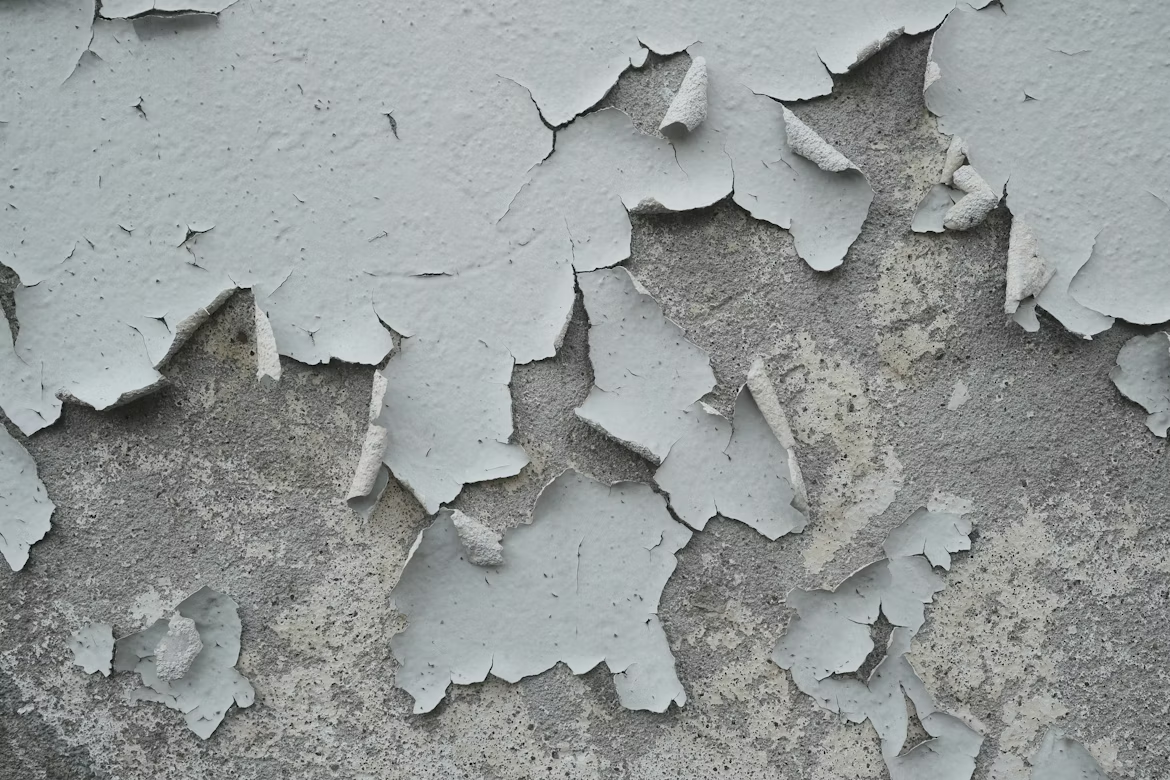
Your home can suffer serious water damage without a single drop of visible water. Water damage is often not dramatic. There is no burst pipe, no leaking roof, or a flooded basement. It may sound impossible, but humidity is not always harmless. You might notice a slightly sticky room, foggy windows in the morning, or even an obviously musty smell in a closed space. None of these seems urgent, nor do they feel like damage.
However, over time, excess indoor humidity can eventually become true water damage. It affects your walls, floors, ceilings, and even the structural integrity of your home. This article breaks down exactly how this happens, where the real risks are, and what you can do about it.
When Does Humidity Become a Problem?
Humidity is simply water in the air. You can interpret it as moisture in its gaseous state. However, when that water settles, it behaves exactly like a leak. Most modern homes today are tightly sealed for energy efficiency. This means there are fewer ways for moisture to escape. Many activities in the home, such as cooking, showering, and laundry, all add moisture to indoor air.
Without proper ventilation or moisture control, the moisture builds up and eventually has to go somewhere. The EPA recommends that indoor relative humidity should stay below 60%, ideally between 30% to 50%. Anything beyond that is a recipe for moisture-related damage. Here’s how this damage progresses before you can catch it:
Condensation Builds
When warm air meets cooler surfaces such as windows and walls, it condenses into water droplets. This can often appear as foggy bathroom mirrors, water beads on windows, or damp spots on walls. It all feels minor and easy to ignore at this stage.
Moisture Gets Trapped
The unfortunate event is that this condensation does not happen only on smooth or reflective surfaces. It can build up behind furniture, inside wall cavities, and under flooring. These are often areas you don’t check regularly, and airflow is limited. The consequence is that moisture here does not evaporate easily. Instead, it lingers and can cause damage over time.
Saturation Starts
Over time, these materials reach their moisture capacity and begin to absorb moisture. Drywall soaks it in, wood expands, and carpet traps dampness. Even your home insulation absorbs and soaks up moisture. This phase is referred to as the tipping point. At this point, your home is no longer just humid, but it is absorbing water.
Signs Humidity Has Reached the Tipping Point
There are often signs that your house is undergoing water damage. Some seem subtle, while others are more obvious. Some of these signs include:
The “Ghost” Stains
A yellowish or brownish outline on the ceiling or walls of your home is a telltale sign. This is especially the case when they are not wet to the touch yet seem to grow over time. It is often caused by high humidity reacting with paint and is known as “surfactant leaching”.
Condensation on Window Spacers
Fogging between window panes is not to be ignored. They are signs of humidity damage that can grow into water damage. Heavy beads of water on the metal frames often mean that your indoor vapor pressure is too high.
Buckling Hardwood
The edges of your floor planks rising higher than the center could mean that the subfloor is likely saturated with vapor.
Persistent Musty Odors
The smell of an old basement is a familiar one. However, this smell is not due to the age of the home. Rather, it is often the off-gassing of microbial volatile organic compounds (mVOCs). This simply means something is growing, and with humidity damage, the smell becomes stronger.
Soft Drywall
If you press your thumb into the wall and it feels slightly spongy, it indicates that the gypsum core has absorbed enough moisture. This then causes it to lose its structural bond.
Dangers of Unchecked Humidity
Besides obvious water damage, another danger of unchecked humidity is mold growth. Once a material stays saturated for 24 to 48 hours, mold can begin to grow on the material. It first takes root inside a wall cavity, for instance, and begins to digest the material it lives on. You will often see this as black spots on the wall. What it literally is is the decomposition of the structure of your home. Mold overgrowth has many health implications. It can trigger:
- Nasal congestion
- Sneezing
- Wheezing
- Cough
- Numerous respiratory infections
- Allergic conditions
What You Can Do to Prevent Water Damage
When homeowners realize they have a moisture problem, the first action they take is to open the windows or buy a hardware-store fan. This can work well, depending on the degree and nature of damage. However, when they fail, opening windows can introduce more humid air if the outdoor dew point is high, or the fans can just move humid air around without removing the water. Before the damage is done, ventilation is key. Here’s what you could do to prevent water damage:
- Run exhaust fans in bathrooms during showers and for a few more minutes after.
- Use your kitchen hood when cooking.
- Monitor your humidity levels. Get a hygrometer to measure your indoor humidity level. If it’s consistently above 60%, you should take further action.
- Address condensation immediately. Wipe off droplets and damp spots.]
What You Should Do After Water Damage
Humidity damage and proactive measures may get to a point where they don’t solve the problem anymore. This may be because the issue is no longer in the air, but inside materials. At this stage, professional intervention becomes necessary.
For instance, there are areas with persistent damp conditions, such as the Pacific Northwest. In such regions, homeowners often turn to solutions like water damage restoration Everett for proper drying and remediation. These professionals use moisture detection tools that can find hidden damp areas. In some cases, they initiate controlled drying processes to prevent further damage. Other services they provide include:
- Using industrial-grade air movers to circulate air more efficiently
- Use of a dehumidifier to pull moisture out of materials, and not just air
Endnote
Humidity in itself is not bad. The key is to control it. Understanding when humidity crosses the line into real water damage helps you take a more proactive step rather than a reactive one. Humidity damage and water damage are not separate problems.
The difference is in how seriously you choose to take it. Check out the problem areas, look out for condensation, and be intentional about ventilation. Call in the professionals when there is a need for one. This will protect the long-term value and comfort of your home.
