

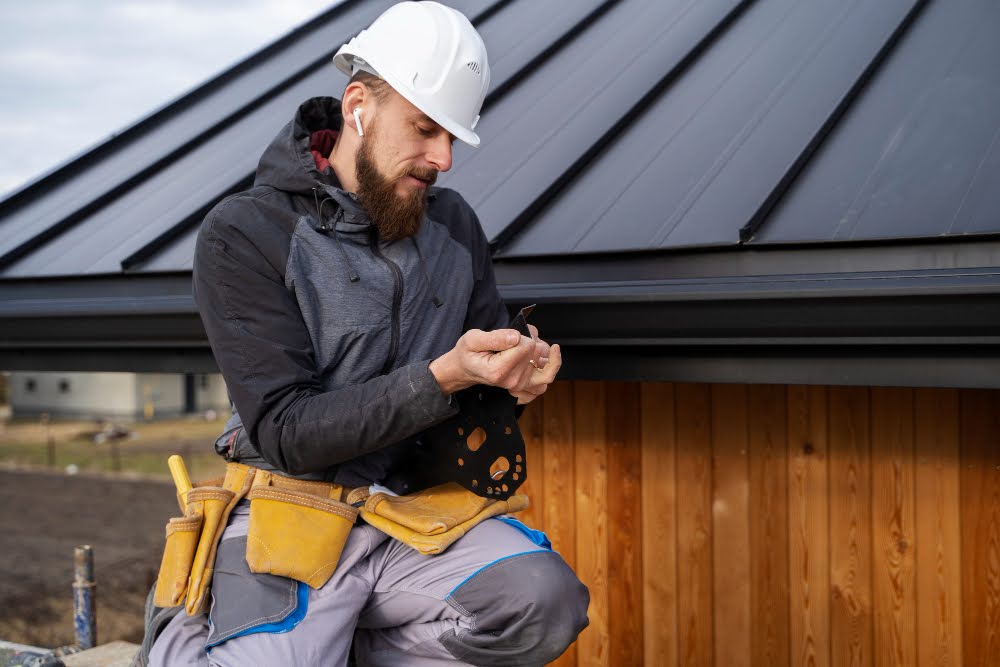
Roofs take a lot of wear over time, from heavy rain to strong winds, yet small issues often go unnoticed until they become bigger problems. Regular inspections can help homeowners spot early signs of damage, like loose shingles or minor leaks, before they lead to more serious repairs. This article provides a simple DIY roof inspection checklist to help you identify potential issues safely and efficiently. It also highlights which problems are better handled by a professional.
Preparing for a DIY Roof Inspection
Safety should be your top priority before climbing onto your roof. Always use a sturdy well-positioned ladder and wear footwear with good traction to reduce the risk of slipping. Avoid steep or wet roofs, and never attempt an inspection during bad weather.
Even without stepping on the roof, many issues can be identified from the ground. A pair of binoculars can help spot missing shingles, damaged flashing, or debris buildup. Other helpful tools include gloves for handling materials safely, a camera to document concerns, and a tape measure for noting problem areas.
It’s important to know your limits. If you feel unsure about reaching certain areas or encounter extensive damage, stop and call a professional. Knowing when to step back ensures your safety and prevents small issues from turning into serious hazards.
Exterior Roof Inspection
The exterior of your roof can reveal a lot about its condition if you know where to look. Start with the shingles or tiles. Look for cracks, curling edges, loose pieces, or missing shingles, as these can allow water to penetrate and cause further damage. Even small gaps can worsen over time, so noting their location is important.
Next, examine the roof flashing which are the metal strips around chimneys, vents, and skylights. Check for rust, gaps, or signs of separation from the roof surface. Flashing is a common entry point for leaks, and even minor issues here can lead to costly repairs if overlooked.
Gutters and downspouts are another key area. Debris buildup, leaks, or sagging sections can prevent proper water drainage, leading to water pooling on the roof or around the foundation. Remove leaves and check that water flows freely through the system.
Look for additional signs of wear, such as dark streaks, moss, algae growth, or granule loss from shingles. Taking photos during each inspection can help track changes over time and spot developing problems early.
Interior Roof Inspection
A thorough roof inspection isn’t complete without checking the interior, particularly the attic. Start by looking for water stains, mold, or rot on rafters and ceiling boards. These signs often indicate leaks that may not yet be visible from the outside.
Next, evaluate ventilation and insulation. Moisture buildup, sagging insulation, or blocked vents can lead to mold growth and reduced energy efficiency. Proper airflow is essential for preventing condensation that can damage the roof structure over time.
Use a flashlight to check for leaks or drips, paying close attention to corners, seams, and areas around chimneys or skylights. Even minor discoloration or small damp spots can signal underlying problems that need attention.
Finally, inspect for structural issues. Sagging beams, warped supports, or uneven joists may indicate serious roof problems. These conditions often require professional assessment, as they can compromise the safety and stability of your home.
Seasonal and Weather-Related Checks
Weather events and seasonal changes can have a significant impact on your roof, making regular checks especially important. After storms, heavy rain, or strong winds, inspect your roof for debris, fallen branches, or displaced and damaged shingles. Even minor issues can worsen if left unaddressed.
Seasonal preparation helps prevent common problems. In winter, watch for ice dams or snow buildup that can strain roofing materials. Spring inspections should focus on post-snow damage and water accumulation. Summer heat can cause shingles to crack or warp, while fall brings leaf buildup that may clog gutters and trap moisture.
Tools and Techniques to Make Inspections Easier
Certain tools can make roof inspections safer and more effective, especially for hard-to-reach areas. Binoculars allow you to check shingles, flashing, and vents from the ground, while drones can provide detailed aerial views of steep or large roofs without putting yourself at risk.
For detecting hidden issues, thermal cameras or moisture meters can reveal leaks, damp spots, or insulation problems that aren’t visible to the naked eye. Smartphone apps can also help track the roof’s condition over time by documenting photos, measurements, and notes from each inspection.
While these tools can uncover many potential concerns, some problems require professional expertise. For issues beyond what a DIY inspection can reveal, trusted Palm Coast roofing companies provide expert evaluation and repairs to ensure your roof’s longevity and maintain the safety of your home.
Red Flags That Require a Professional
While many minor roof issues can be identified and addressed through DIY inspections, certain signs indicate that professional attention is necessary. Severe damage, such as multiple missing or damaged shingles, cracked tiles, or noticeable holes, can compromise your roof’s ability to protect your home and should be addressed immediately.
Persistent leaks, water stains, or mold inside the home are another warning. These issues often point to hidden damage that can worsen over time, affecting structural components and indoor air quality. Similarly, sagging roof sections, warped beams, or other structural irregularities signal potential collapse risks and require expert evaluation.
Aging roofs nearing the end of their lifespan or showing extensive wear like widespread granule loss, brittle shingles, or rusted flashing also warrant professional inspection. Addressing these issues proactively can prevent costly repairs and extend the life of your roof.
Professional inspections and preventive maintenance provide peace of mind, ensuring that small problems don’t escalate into major damage. Consulting experts for red-flag conditions helps protect the safety and value of your home.
Endnote
Regular attention to your roof helps keep your home in good condition and can prevent small issues from becoming bigger problems. Even simple inspections, like checking for debris or noting changes over time, make a difference in maintaining your roof’s performance. Combining these checks with occasional professional evaluations ensures any hidden or serious issues are addressed before they cause damage.
