

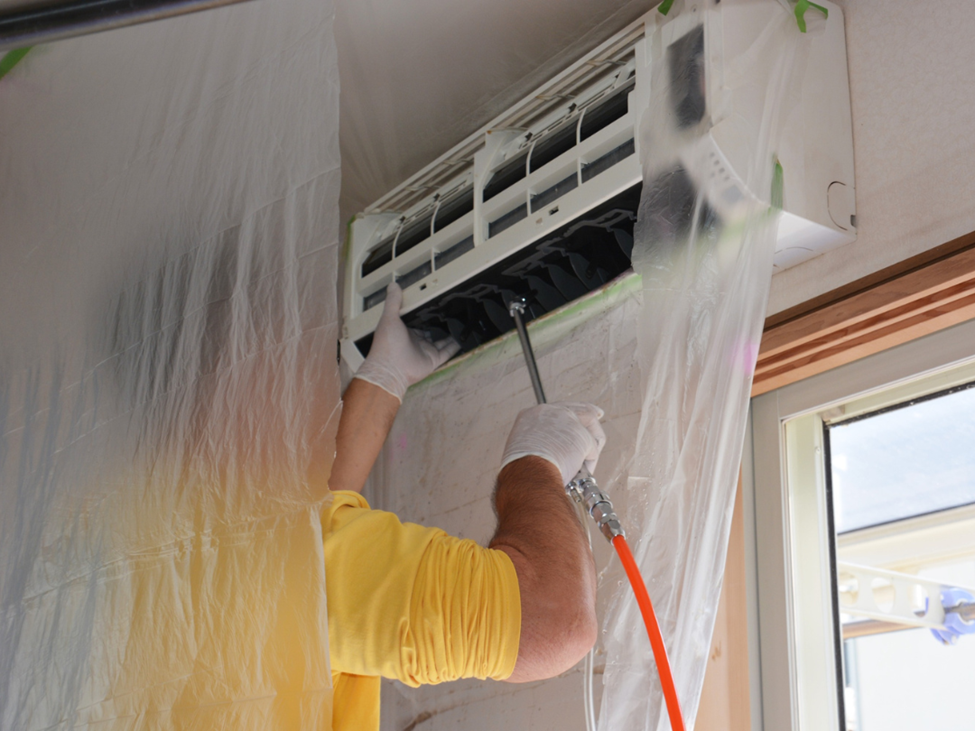
Regular home maintenance is one of the most effective ways to preserve comfort, control energy costs, and protect long-term property value. Across North America, homeowners experience wide seasonal temperature shifts, humidity changes, and weather extremes that place steady demands on residential systems. While aesthetic upgrades often receive more attention, the mechanical systems behind walls and ceilings are what truly determine day-to-day comfort and operational efficiency.
Heating and cooling systems in particular require consistent attention. These systems regulate indoor air quality, manage humidity levels, and maintain temperature stability throughout the year. When neglected, they not only reduce comfort but also increase energy consumption and repair costs. Proactive maintenance and timely use of an air conditioning repair service when necessary help prevent small mechanical issues from escalating into major disruptions.
Understanding which tasks matter most and how they support overall home performance allows homeowners to make informed, preventative decisions rather than reactive ones.
Why Heating and Cooling Systems Deserve Special Attention
Heating, ventilation, and air conditioning systems operate more frequently than most other mechanical components in a home. In colder regions, furnaces may run for months at a time. In warmer climates, air conditioning systems work continuously through peak summer heat. Because of this constant usage, these systems are more vulnerable to wear and efficiency decline.
Beyond simple temperature control, HVAC systems directly influence:
- Indoor air quality
- Humidity balance
- Allergen circulation
- Energy consumption
- Overall comfort consistency
A well-maintained system operates quietly, distributes air evenly, and consumes energy efficiently. In contrast, a neglected system often struggles to maintain temperature, produces unusual sounds, and causes noticeable increases in utility bills.
Routine inspection and maintenance ensure the system performs at its intended capacity.
Replacing Air Filters Regularly
Air filter replacement is one of the simplest yet most impactful maintenance tasks. Filters trap dust, pollen, and airborne debris before air circulates through living spaces. Over time, filters become clogged, restricting airflow and forcing the system to work harder.
Restricted airflow leads to:
- Reduced cooling or heating efficiency
- Increased strain on system components
- Higher monthly energy costs
- Poor indoor air quality
Most residential filters should be replaced every one to three months, depending on usage levels and environmental conditions. Homes with pets or high dust exposure may require more frequent changes.
Consistent filter maintenance improves airflow, protects internal components, and supports cleaner indoor air.
Scheduling Seasonal Inspections and Tune-Ups
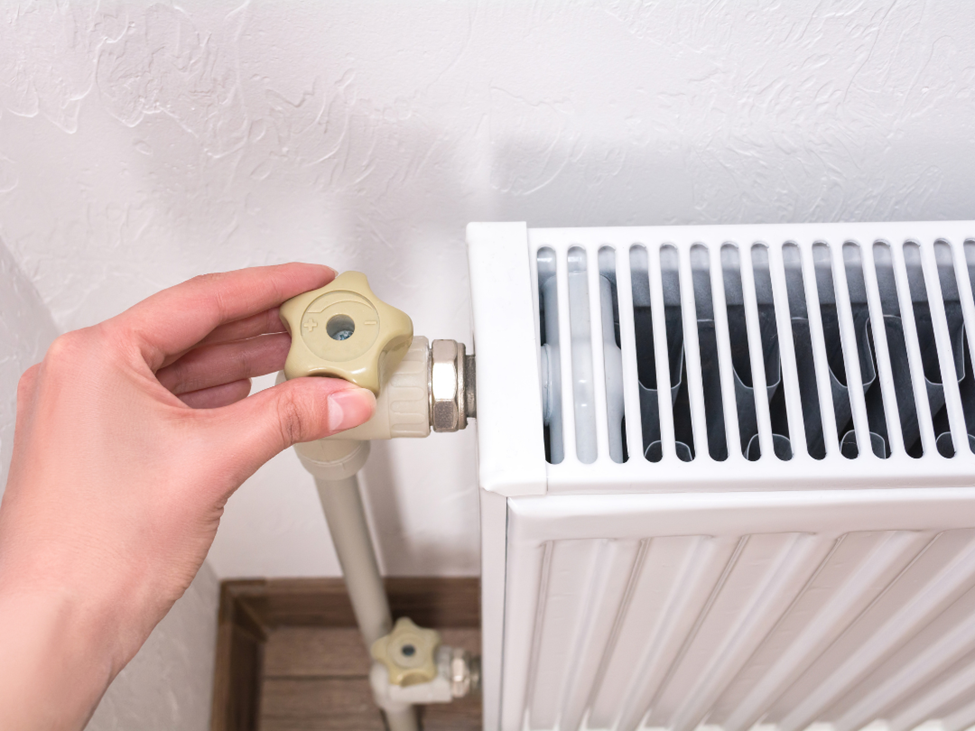
Seasonal inspections allow homeowners to identify potential issues before peak heating or cooling periods. During a professional tune-up, technicians typically examine system components such as refrigerant levels, electrical connections, blower motors, and condensate drains.
These inspections help detect:
- Worn belts or components
- Refrigerant leaks
- Electrical irregularities
- Drainage blockages
- Calibration inconsistencies
Addressing small issues early reduces the risk of mid-season breakdowns, which can be both inconvenient and costly.
Preventative maintenance often extends the lifespan of heating and cooling systems by reducing mechanical stress and ensuring balanced operation.
Duct Cleaning and Airflow Optimization
Air ducts distribute conditioned air throughout the home. Over time, dust, debris, and even mould can accumulate within ductwork, particularly in humid environments. When airflow is obstructed, rooms may experience uneven heating or cooling.
Proper duct maintenance supports:
- Balanced temperature distribution
- Reduced allergen circulation
- Improved energy efficiency
- Lower strain on HVAC systems
In addition to cleaning, ensuring vents are unobstructed by furniture or décor enhances airflow. Sealing minor duct leaks can also prevent energy waste and improve overall performance.
Thermostat Calibration and Smart Controls
Thermostats act as the command center for heating and cooling systems. If a thermostat is not calibrated properly, the system may cycle on and off inefficiently or maintain inaccurate temperature readings.
Periodic calibration ensures that the displayed temperature matches actual indoor conditions. In some cases, upgrading to a programmable or smart thermostat can improve energy management by adjusting temperatures automatically based on occupancy patterns.
Accurate temperature control contributes to consistent comfort and measurable energy savings over time.
Recognizing Warning Signs of Maintenance Issues
Homeowners often overlook subtle warning signs until a system failure occurs. Paying attention to early indicators allows for faster resolution and reduced repair costs.
Common signs of HVAC issues include:
- Uneven cooling or heating between rooms
- Unusual rattling, buzzing, or grinding noises
- Noticeable increases in energy bills
- Weak airflow from vents
- Persistent humidity or condensation
These symptoms may signal clogged filters, refrigerant leaks, duct obstructions, or mechanical wear. Ignoring them can lead to more severe component damage.
Early intervention minimizes disruption and prevents larger repair expenses.
Managing Energy Efficiency Through Maintenance
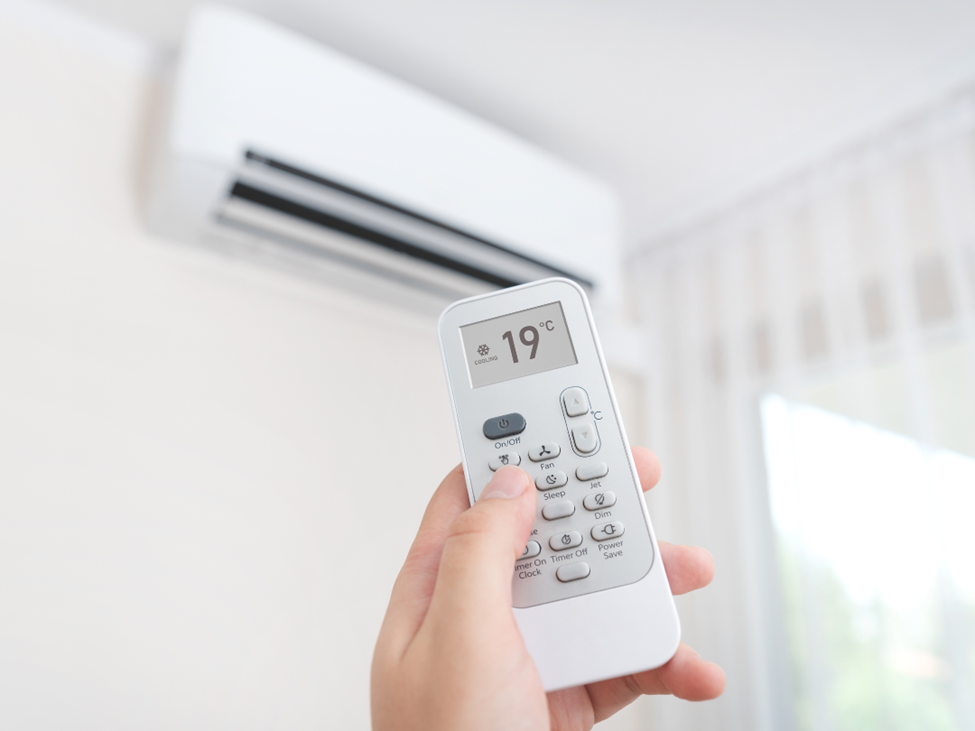
Heating and cooling systems account for a significant portion of household energy consumption. Even minor inefficiencies can increase monthly utility bills noticeably.
Well-maintained systems operate with less resistance and greater accuracy. Clean filters, balanced airflow, sealed ducts, and calibrated thermostats work together to reduce energy waste.
In addition to HVAC-specific maintenance, homeowners can enhance efficiency by:
- Improving insulation levels
- Sealing air leaks around windows and doors
- Maintaining proper attic ventilation
- Ensuring exterior units remain free of debris
A comprehensive approach to maintenance supports both comfort and cost control.
Long-Term Property Value and Preventive Care
Regular maintenance preserves not only comfort but also long-term property value. Prospective buyers often evaluate the condition of major systems when assessing a home. A documented history of routine inspections and repairs reflects responsible ownership.
Deferred maintenance can lead to premature system replacement, which is far more expensive than periodic servicing. Preventative care extends equipment lifespan and reduces the likelihood of emergency breakdowns.
Over time, consistent maintenance supports structural integrity, improves air quality, and protects home investment value.
Supporting Overall Home Improvement Goals
Home improvement is often associated with visible renovations such as kitchen updates or landscaping enhancements. However, maintaining foundational systems is equally important.
Heating and cooling reliability affects daily living more directly than many cosmetic upgrades. Comfortable indoor temperatures, clean air circulation, and stable humidity levels create a healthier living environment.
By prioritizing maintenance, homeowners align comfort, efficiency, and durability goals within a single strategy. Routine care prevents reactive repairs and supports long-term system performance.
Maintaining Performance Year-Round
Essential home maintenance practices play a central role in preserving comfort and preventing costly repairs. Heating and cooling systems, in particular, require ongoing attention due to their frequent use and direct impact on indoor air quality and energy efficiency.
Tasks such as filter replacement, duct inspection, thermostat calibration, and seasonal tune-ups help maintain consistent performance. Recognizing early warning signs ensures that minor issues are addressed promptly before they escalate.
When maintenance becomes proactive rather than reactive, homeowners reduce unexpected disruptions and support both short-term comfort and long-term property value. Thoughtful system care remains one of the most practical and effective forms of home improvement.
