

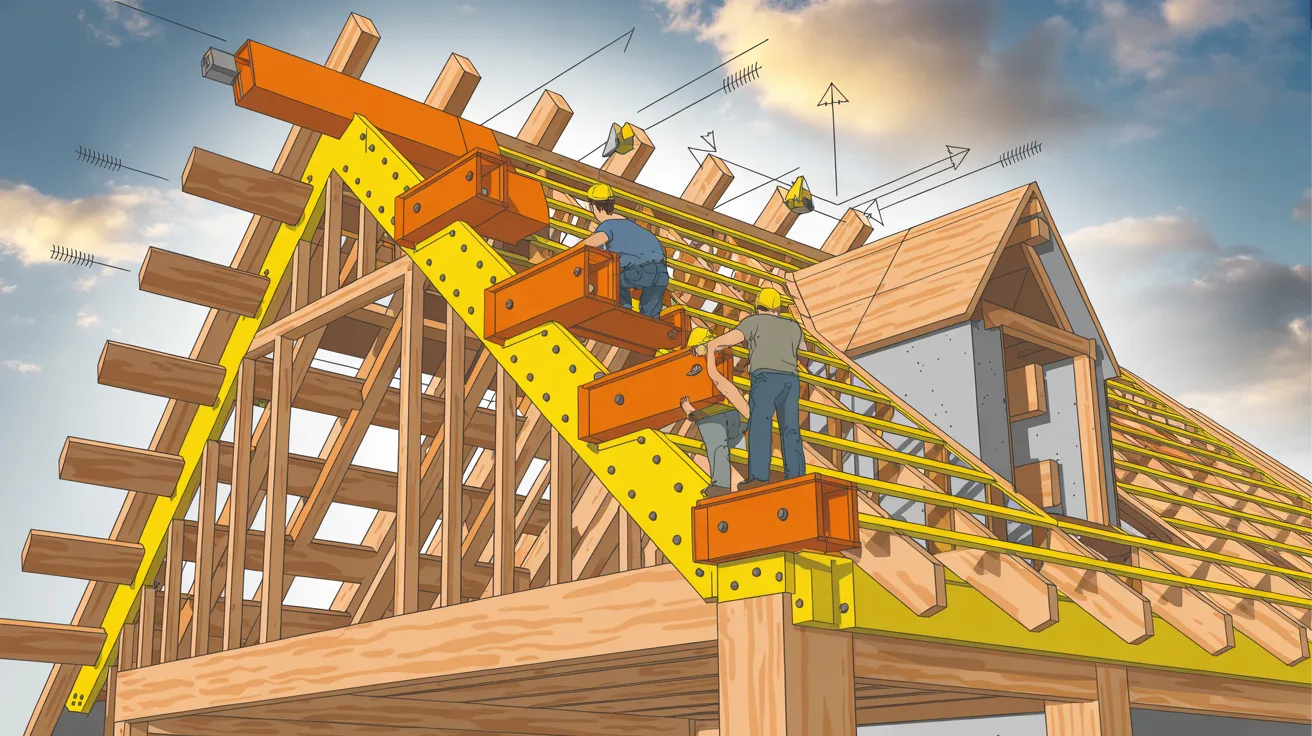
A solidly reinforced roof really does make all the difference for a building’s safety and longevity. Picture your roof as the shield of a knight, it’s the frontline defense against everything the weather throws at it, and it quietly carries massive burdens year after year. Forgetting to give that shield the strength it needs isn’t just a small maintenance slip; it can easily become a catastrophic mistake, putting both your building and everyone inside at serious risk. That’s why ensuring proper reinforcement isn’t negotiable, without it, both safety and legal compliance are in jeopardy.
Now, speaking from years of construction experience, I can say that reinforcement isn’t just ticking a box on a checklist. There’s actually a useful resource for anyone curious about the ins and outs: thisroof reinforcement guide breaks things down for owners and builders alike. Often, it’s not until disaster strikes that the weight of this issue becomes evident, but by then, fixing the problem is rarely simple or cheap.
Why is proper roof reinforcement a critical safety measure?
Proper roof reinforcement affects the very ability of a building to protect people and valuables inside. But to really get at why it’s so important, let’s not just focus on technical codes; think of a roof like the lid on a jar, if the lid isn’t sturdy, the contents are always at risk, no matter how solid the jar itself may be. A robust reinforcement plan gives peace of mind that the structure will hold against wind, storms, or the gradual wear of time. This, in turn, supports the long-term value and utility of the entire property.
The risks of inadequate reinforcement
Frankly, ignoring reinforcement is like rolling the dice with your building’s future. The dangers don’t always show up overnight; sometimes, the trouble creeps in slowly, manifesting in subtle but growing ways. Here’s what you have to watch out for:
- Structural collapse: At worst, the roof can buckle or fail, directly endangering anyone inside.
- Water infiltration: Even small weak spots can allow water leaks, often leading to mold, electrical short-circuits, and costly repairs.
- Loss of insulation: Without adequate support, roofs can lose their ability to keep indoor temperatures comfortable, sending heating or cooling bills soaring.
- Accelerated material degradation: Overstressed materials age much faster than they should, pushing up the maintenance bill.
Many times, those persistent problems we see in older or hastily built homes trace back to corners cut on roof reinforcement. That’s no coincidence, it’s foundational to lasting quality.
Beyond immediate safety: ensuring long-term durability
Let’s not ignore the passage of time here. Good reinforcement not only keeps disaster at bay today but also keeps roofs standing strong decades down the line. The outdoors is relentless: every season brings humidity, blazing sun, freezing and thawing cycles, as well as airborne chemicals. Coping with all these elements means a reinforced roof needs less emergency intervention and stands as a quiet guardian year after year.
- Constant exposure to moisture and dampness
- Radiation from sunlight that erodes many materials
- Repeated freezing and thawing in cold regions
- Pollutants that break down structural elements over time
If you take these hazards seriously right from the start, you end up with a more reliable, cost-effective roof that won’t become an endless source of headaches.
What are the legal and technical standards for roof reinforcement?
Regulators in Spain, for instance, treat roof safety with notable seriousness and have laid out firm laws everyone must follow, the Technical Building Code (CTE). Far from being some dusty rulebook, the CTE ensures that every completed building genuinely stands up to daily and exceptional use, blending safety with comfort and energy efficiency.
Understanding the technical building code
The CTE really digs into specifics, too. Architects, builders, and engineers are personally on the hook for making sure their work lives up to the code. For roofs, the most crucial part is ‘Structural Safety’ (DB SE), which guides the load calculations and thicknesses required to prevent failures. Documentation must back up that both planning and ground-level execution actually meet these standards, a process that’s much more involved than it might appear from the outside.
Key documents and their purpose
Each segment of the CTE has a focused role. These documents aren’t just red tape; they act as signposts, revealing the reasoning behind each requirement, which is genuinely enlightening once you dig in.
| Document Code | Full Name | Purpose |
|---|---|---|
| DB SE | Seguridad Estructural | Establishes the overall principles and verification methods for structural safety. |
| DB SE-AE | Acciones en la Edificación | Defines the specific loads a structure must be designed to withstand. |
| DB SE-A | Acero | Provides detailed requirements for the design and reinforcement of steel structures. |
| DB SE-F | Fábrica | Outlines the specific rules for masonry structures. |
| DB SE-M | Madera | Details the requirements for timber structures, including joints and failure mechanisms. |
What specific loads must a roof support?
Every roof, as outlined by these regulations, must resist three broad categories of force: the ever-present weight of its own parts and fixtures, the variable heft of people and equipment, and rare but fierce events like earthquakes. This ensures resilience in the face of both daily life and those dramatic, once-in-a-lifetime events.
- Permanent loads: The constant weight of structural parts and roofing itself
- Variable loads: Extra temporary force from maintenance, equipment, snow, or wind
- Exceptional actions: Rare natural events such as seismic shocks
How are different roof materials and designs handled?
All roofs aren’t made equal. The wisdom hiding in the code is that it treats each material, be it concrete, steel, or wood, with its own set of care instructions, rooted in the real-world weaknesses and strengths that builders have learned the hard way over generations.
Material-specific reinforcement guidelines
In real life, whether you’re topping a house with prefab elements or pouring reinforced concrete, there are checklists to follow, but these lists are built from practical experience, not just theory. For example, the Guía de aplicación del Código Estructural a la edificación. Hormigón armado translates the regulations into clear, everyday advice site crews can actually use. Builders and property owners who follow these guides find far fewer surprises down the line.
Is there room for modern reinforcement techniques?
This rigid structure might seem limiting, but there’s real adaptability baked in. While the standard path is detailed step by step, there’s acknowledgement that new techniques can join the lineup as long as they meet or surpass every safety standard set for traditional methods. It’s a nod to the creative solutions experts and engineers bring to the table every year, modern composites, prefabs, and smart fixes are all welcome, provided performance matches expectations.
So, reinforcing your rooftop isn’t just another tick on the builder’s form. It’s a lasting investment, a promise from today’s builders to tomorrow’s residents that the home will stay safe and sound, come what may. Every wise homeowner sees reinforcement as a shield that’s worth upgrading, because its value grows every year it quietly does its job.
Simply put, strong structural work pays off in both peace of mind and building value. It’s a foundation for safe and long-lived communities, and that’s something every responsible builder and owner should treasure.
