

Ask any agent how many people walked through their last open home, and they’ll probably give you a decent number. Ask them how many of those actually made an offer—or even followed up with intent—and the answer gets murky.
The truth? Most attendees are just browsing. They’re future buyers, curious neighbours, hesitant investors, or flat-out time wasters. But hidden in that crowd is your next serious buyer. The challenge is finding them quickly—before they drift off or land on a competitor’s listing.
The Problem With Manual Follow-Up
Let’s say 30 groups come through on Saturday. You spend Sunday and Monday chasing callbacks, sending emails, updating your CRM, and trying to remember who asked what. By the time you get back to someone with real interest, they’ve either cooled off or found another property.
That’s hours of work, for what might turn into one qualified buyer—if you’re lucky. The follow-up process isn’t just slow; it’s reactive. You’re waiting for buyers to re-engage, instead of capturing intent the moment they walk out the door.
Timing Is Everything When a Buyer’s Interested
The difference between a cold lead and a warm one is timing. If you wait three days to check in, the buyer’s already moved on. But if you catch them while the property is still fresh in their mind—while they’re literally driving home from the inspection—you’ve got a window.
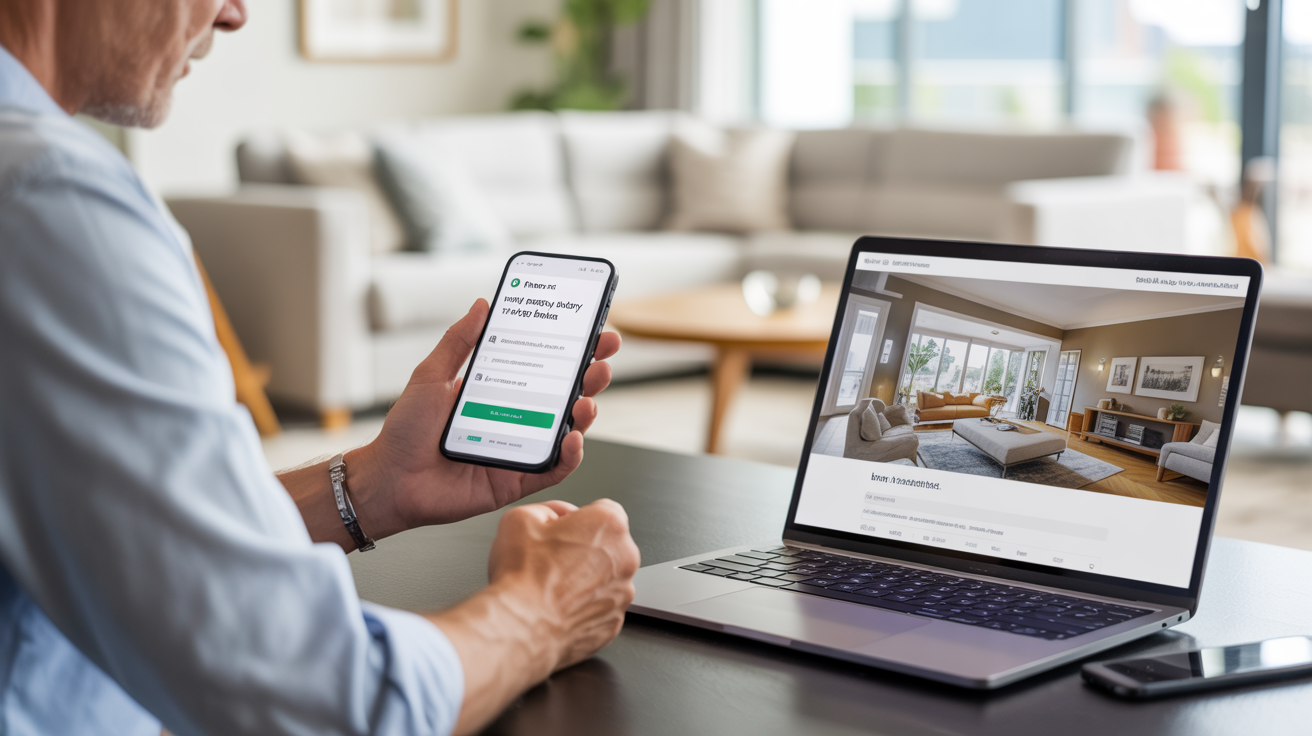
That’s where instant qualification becomes powerful. Tools like SMS follow-ups or quick mobile surveys sent right after the open home help agents strike while the interest is hot. Buyers don’t need to call you. They just tap a few answers on their phone—and now you know who’s serious.
What Hot Leads Actually Look Like
It’s not just about who liked the property. It’s who’s ready to act. A warm lead shows signs:
• They’ve already spoken to a broker
• They request the contract or a Geelong building and pest inspection report
• They ask specific questions about terms, timelines, or comparable sales
• They respond quickly to digital follow-up
When you use real-time tools to identify those behaviours, you stop wasting time on “maybe someday” buyers and focus on the ones who could be writing offers this week.
The Psychology of Feeling Heard
Buyers want to feel seen. If they leave an open home and immediately receive a message that says, “Thanks for attending—would you like the contract, building report, or talk to a broker?” it shows that the agent is on the ball.
It also takes pressure off. Buyers can respond on their own terms, in their own time. But when they do, you’ve got a qualified signal of intent—and something to anchor your next conversation to.
Compare that with the generic Tuesday afternoon follow-up call that says, “Hey, just wondering what you thought?” It’s not even close.
The Role of Pre-Market Reports in Buyer Engagement
A buyer who knows the contract and reports are available straight away is far more likely to stay engaged. When there’s nothing to wait for, the path from inspection to offer becomes clearer. It’s one less hurdle in a process already full of friction.
That’s why agents using pre-market reports not only attract more offers—they attract better ones. The buyer has more confidence, less uncertainty, and fewer reasons to stall or drop out.
If you’re working a regional listing—say, a weatherboard in Belmont or Newtown—having that Geelong building and pest inspection available from day one can be the difference between one offer and three.
Stop Chasing. Start Prioritising.
Here’s the shift: successful agents aren’t chasing every lead anymore. They’re filtering. They’re segmenting based on interest, behaviour, and urgency—and they’re doing it with tech that works while they sleep.
That doesn’t just save time. It increases conversion rates, tightens your campaign, and shortens days on market. Instead of hoping someone follows up, you already know who’s engaged—and you’ve moved the rest to long-term nurture or your referral pipeline.
From Window Shopper to Offer-Maker
Turning cold leads warm isn’t magic. It’s timing, visibility, and removing barriers. The faster you identify buyer intent, the faster you can engage meaningfully—and guide the conversation from interest to action.
You don’t need more people through your opens. You need more qualified, ready buyers who’ve already crossed half the bridge toward making an offer. The right tools help you meet them there.
Because when a buyer says, “I’m just browsing,” what they really mean is, “I haven’t seen anything worth acting on—yet.” Your job is to show them that this is the one worth moving on. And do it before someone else does.
