

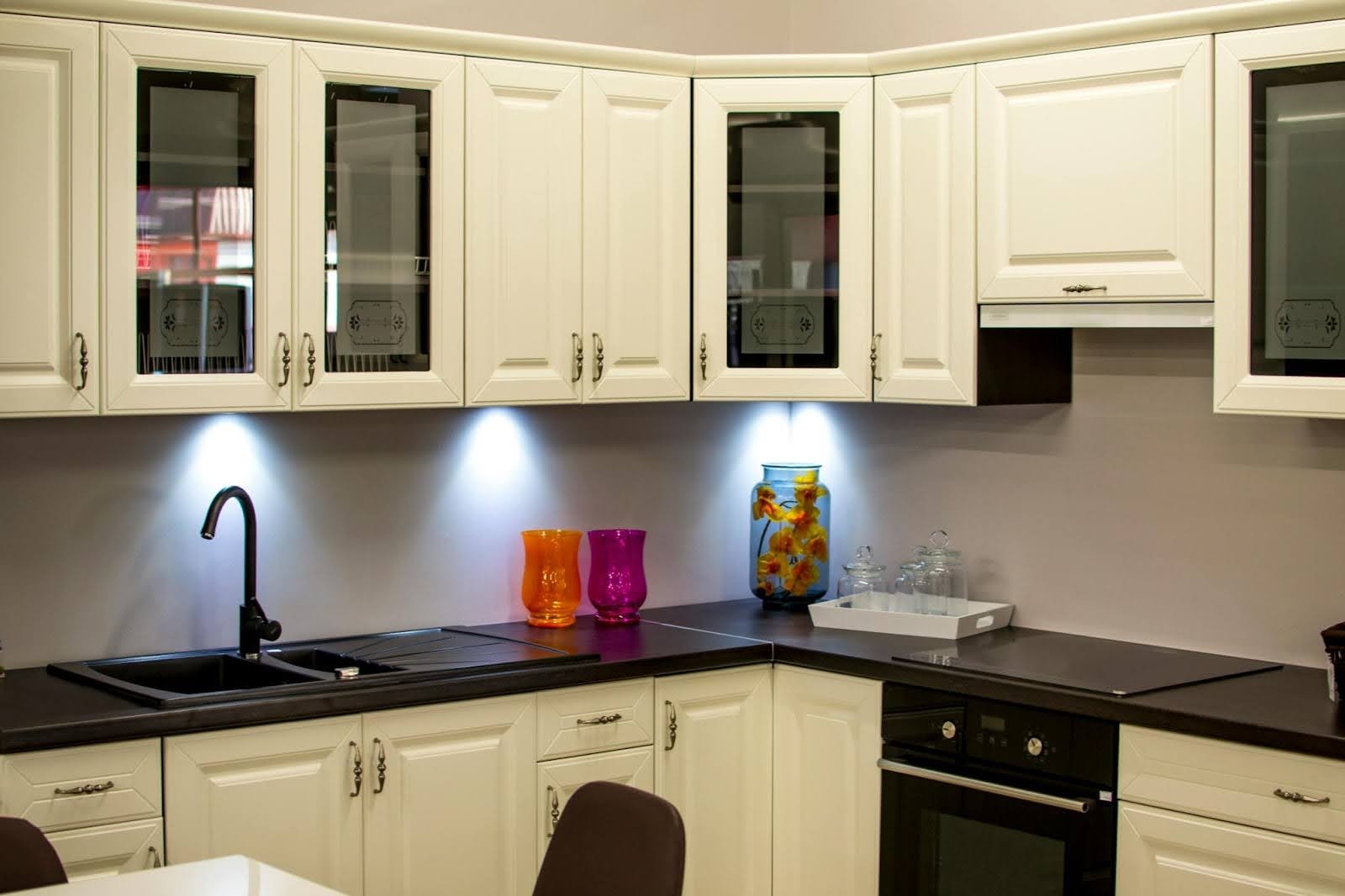
A kitchen remodel can transform how you cook, gather, and live. But the path from concept to cabinetry can get expensive fast if you don’t approach it with a structured, technical plan. Costs vary widely based on materials, layout changes, and mechanical upgrades. A clear budgeting strategy helps keep the project efficient and predictable. Here’s how to plan a remodel that matches your vision without stretching your finances.
Start With a Technical Assessment of the Space
Before you think about colors, door styles, or hardware, evaluate the existing structure and utilities. A kitchen remodel involves mechanical, electrical, and plumbing systems that must meet current codes. Start with the basics:
- Is the electrical panel sized for modern appliances?
- Are plumbing lines accessible for rerouting?
- Is the subfloor sound enough for heavier cabinetry or stone countertops?
These factors directly affect labor requirements. Any deficiencies discovered during initial inspection will drive costs upward. Early identification prevents budget overruns later.
Define the Scope of Work With Precision
Scope determines cost more than any other factor. Changing the layout such as moving sinks, shifting walls, relocating appliances drives up expenses because it triggers mechanical modifications.
A remodel fits into one of three categories:
- Cosmetic update: Surface changes only.
- Pull-and-replace: Appliances and cabinets stay in the same layout.
- Full remodel: Major structural and mechanical changes.
Studies show that the average major kitchen remodel in the U.S. costs $75,000, according to Remodeling Magazine’s 2024 Cost vs. Value Report. Scope has the biggest impact on where your project lands on that scale.
Plan a Budget That Reflects Material and Labor Precision
Set your budget by breaking the remodel into categories. Instead of one total number, allocate fixed percentages to each segment, such as:
- Cabinetry
- Countertops
- Appliances
- Flooring
- Lighting
- Labor
- Contingency
Cabinetry usually takes the largest portion. A detailed understanding of cost drivers like wood species, construction method, finish type, hardware grade helps prevent surprises. If you want a deeper breakdown of what affects cabinet pricing, see this guide on key factors that influence cabinet costs.
Use Cabinetry as Your Budget Anchor
Cabinets often dictate the financial direction of a kitchen remodel. They account for 25%-40% of total costs. Construction grade matters. Stock cabinets use standardized dimensions and materials. Semi-custom adds flexibility with moderate price increases. Custom cabinetry offers full control but requires longer lead times and higher budgets.
Material selection also affects long-term durability. Maple, cherry, and walnut offer strength but come with higher pricing. MDF and thermofoil reduce upfront cost but have limitations around heat and moisture exposure. Choose based on performance needs, not appearances alone.
Evaluate Layout Efficiency Before Redesigning
Homeowners often assume a new layout is necessary. That’s usually not the case. If your existing triangle-the relationship between sink, stove, and refrigerator-works, keep it. Structural alterations require:
- Demolition
- New electrical runs
- Plumbing relocations
- Vent hood adjustments
- New flooring patches
These add days or weeks to the schedule. Evaluate whether layout changes solve real problems or simply satisfy design impulses. Efficient planning keeps the budget grounded.
Select Materials With an Engineering Mindset
Material selection should match load requirements, moisture conditions, and daily wear patterns. Use measurable criteria. For example:
- Countertops should meet minimum hardness and impact resistance standards.
- Flooring must tolerate point loads from refrigerators and islands.
- Cabinet finishes should be rated for abrasion resistance and humidity.
A list of practical selection considerations includes:
- Surface hardness
- Chemical resistance
- UV stability
- Repairability
- Installation complexity
Choosing wisely reduces long-term maintenance costs and ensures the remodel ages well.
Work With Accurate Measurements and Detailed Plans
Precise measurements determine fit, installation speed, and material waste. Even a ⅛-inch discrepancy can delay cabinet installation or require costly adjustments. Use a professional measurement service or request digital laser scanning when possible. Detailed drawings reduce field errors and streamline communication between contractors, suppliers, and installers.
Build a Realistic Timeline
Lead times vary significantly. Stock cabinets may take two weeks. Semi-custom can take six to ten. Full custom may take twelve or more. Countertops also require templating after cabinets are installed, followed by fabrication and installation. Mechanical work must be sequenced before cabinetry, and inspections can add several days depending on your jurisdiction.
A realistic schedule prevents disruptions and protects the budget from rushed decisions.
Leave Room for a Contingency Buffer
Hidden problems often emerge once demolition begins. Subfloor damage. Outdated wiring. Noncompliant plumbing connections. Budget a minimum of 10%-15% for contingencies. This keeps the project moving without sacrificing key components.
Final Thoughts
A successful kitchen remodel depends on technical planning, thorough evaluation, and disciplined budgeting. Cabinets, utilities, and materials all influence the final cost. When you analyze each element with precision, you get a kitchen that performs well, lasts longer, and stays within your financial limits.
