

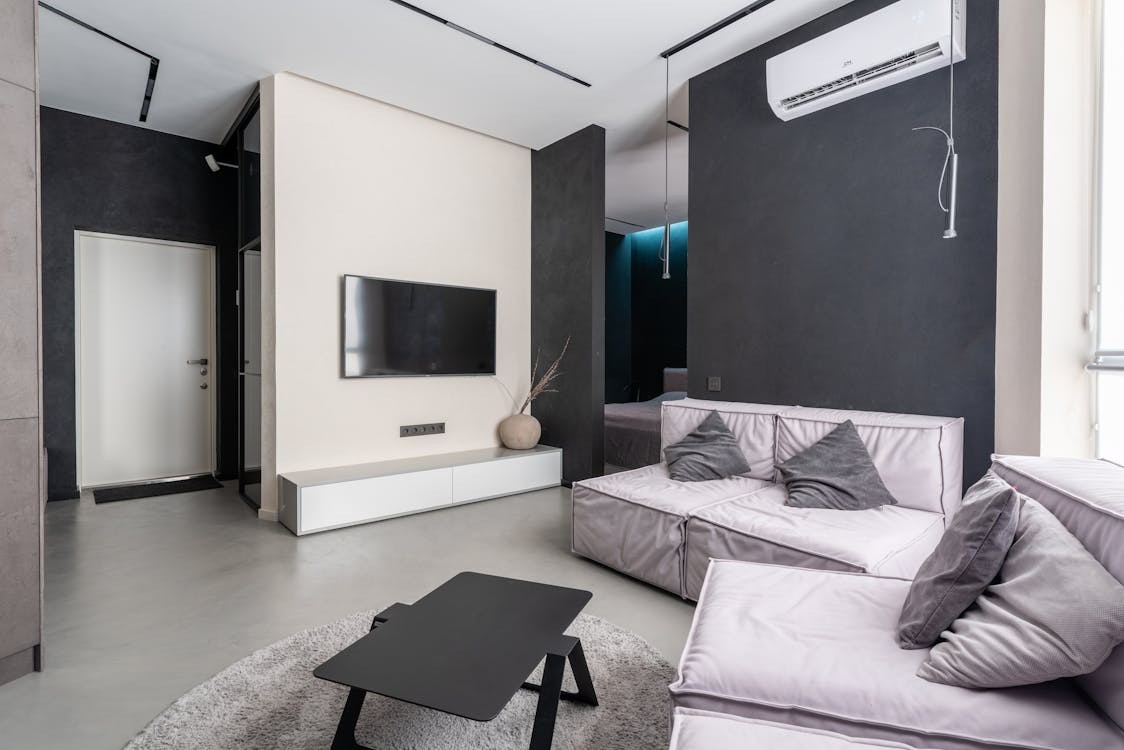
As spring settles in and the warm breeze starts to hint at the summer ahead, now is the perfect time to turn your attention to the comfort of your home. Anyone who’s lived through the humid summers in places like Washington, D.C., knows just how hard a cooling system has to work once the heat really kicks in. Waiting until the hottest days to notice a problem often leads to breakdowns at the worst possible time. Scanning your home for early warning signs can save you from last-minute stress, emergency service calls, or those sticky midsummer nights when the air just won’t cool the way you need it to. With a little preparation now, you can make sure your system is ready for the heat and stay comfortable all season long.
1. Reduced Cooling Power
One of the first signs something’s off is when your cooling system no longer keeps up the way it used to. You might assume it’s just warmer weather or that the house needs extra time to cool. But in places like Washington, D.C., where humidity sets in early, you may notice these performance changes sooner. When the system keeps running without giving you the same level of comfort, it often points to an underlying issue. Problems such as restricted airflow, dirty condenser coils, or low refrigerant usually develop gradually, so the drop in cooling can be easy to overlook at first.
If you notice that your AC isn’t as cold as it could be, it’s a sign that the system’s cooling ability is being affected by developing issues. The problems tend to build up slowly, whether from airflow blockages, refrigerant loss, or a condenser unit that can’t release heat the way it should, causing the system to cool less effectively over time.
If the air feels only mildly cool or the system seems to run longer than before, start by checking simple things like the filter and the area around the outdoor unit. If those look fine, the next step is to call a professional for service. Taking care of the problem early helps ensure your system won’t be struggling once the hottest days arrive.
2. Odd Noises You Haven’t Heard Before
When your cooling system starts making strange sounds, buzzing, grinding, rattling, or squealing, it’s not just annoying: it’s a strong indicator that something inside isn’t working right. A rattling or loose-part noise could mean something is broken or out of alignment a high-pitched squeal might indicate a worn belt or motor problem. If the fan motor struggles, or the compressor tries to kick in and fails quietly, you’ve got work to do. Ignoring this can allow a minor issue to escalate into a full system breakdown, and the risk only grows as outdoor temperatures climb. If you notice new or growing noises, it’s smart to schedule a technician visit before the high-demand season.
3. Weak or Inconsistent Airflow
Even when the thermostat is set correctly and the system seems to run normally, you may have a hidden issue if the air coming out of your vents feels weak or inconsistent. Perhaps one room cools fine while the other stays warm, or the airflow seems sluggish throughout the house. This can happen if the return-air filter is too dirty, if vents are blocked by furniture, or if the system’s blower fan or ductwork is partially obstructed or leaking. When airflow suffers, cool air struggles to reach where it needs to go, meaning your system works harder and less efficiently. That drives up energy use and wear. If some rooms just don’t get the chill you expect, or vents feel like they’re giving a faint breeze instead of a steady flow, it’s time to dig deeper or call in a professional who can inspect ducts and airflow.
4. Sudden Increases in Energy Bills
You know your home, you know your comfort habits, and if this year you open your utility bill and see a noticeably higher number compared to the same period last spring, it might be more than just a rate hike. That unexpected jump can signal that your cooling system is straining to meet demand. When your air conditioner works harder, maybe because of a dirty filter, low refrigerant, or an older system, it draws more power even if the indoor conditions haven’t changed. A system that once cooled easily now runs longer, costs more, and still may not feel as comfortable. If your energy bill spikes without a change in usage (more people home, longer run times, etc.), look at your cooling system’s health. Fixing underlying issues can restore efficiency and save money long term.
5. Frequent On-and-Off Cycling (Short Cycling)
Your air conditioner should cycle: it runs to cool your home, then it stops when the set temperature is reached. But if it’s turning on, running briefly, then shutting off repeatedly and doing so more than usual, this is known as short cycling. That behavior is bad for several reasons: it uses more energy, adds extra wear and tear to components, and prevents the system from properly dehumidifying the air and cooling effectively over longer periods. Short cycling can be caused by things like a clogged filter, an oversized unit, low refrigerant, or even thermostat issues. The result? Your system never runs long enough to run efficiently, yet you might still feel warm. If you notice your unit isn’t staying on for reasonable intervals or perhaps it’s labored whenever it does run, it’s time to have a technician evaluate it.
As summer approaches, your cooling system deserves a little pre-season care so you can head into the warmer months with confidence. By spotting early warning signs, whether it’s weak cooling, strange noises, poor airflow, an unexpected build-up in your energy bill, or short cycling, you give yourself the chance to act before things go wrong. With basic checks and a timely professional tune-up, you’ll increase the odds that your system will perform well, last longer, and keep your home comfortable when the heat is at its peak. Take the time now to prepare and relax later. Your future self (and your energy bill) will thank you.
