

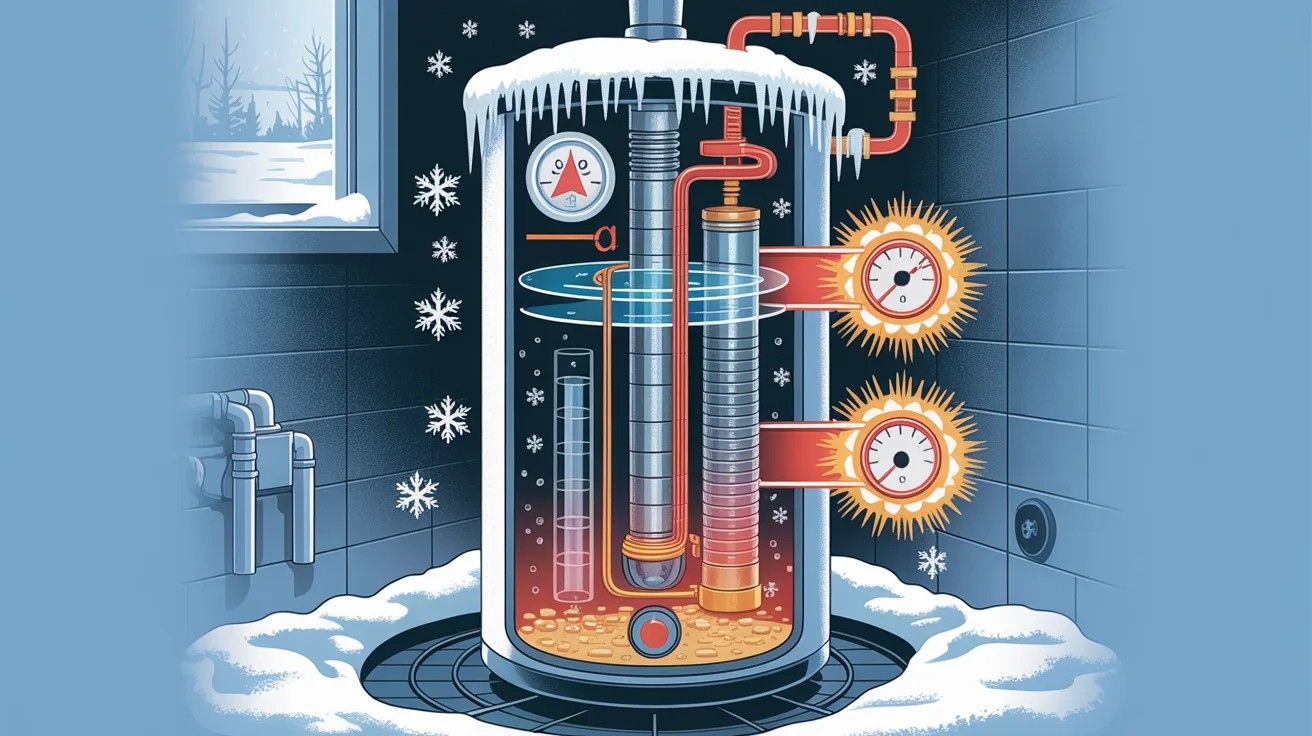
Winter is the time of year when many homeowners suddenly find themselves searching for water heater repair. As temperatures drop and hot water demand increases, water heaters are forced to work harder than usual. This additional strain often exposes hidden problems and causes systems that seemed fine during warmer months to fail. Understanding why water heaters break down more often in winter can help homeowners recognize warning signs early and schedule water heater repair before a complete failure occurs.
One of the biggest reasons water heaters fail in winter is the colder incoming water temperature. During the summer, groundwater entering your home is relatively waracm. In winter, however, that water can be significantly colder. Because of this, the water heater must work much harder to raise the temperature to the desired level. This extra workload places stress on heating elements, burners, and thermostats. Over time, the increased demand can lead to breakdowns that require professional water heater repair.
Another major factor is increased household usage. In winter, families tend to spend more time indoors, which leads to higher hot water consumption. Showers may be longer, laundry loads increase, and dishwashers run more frequently. All of this forces the water heater to operate more often throughout the day. The more frequently the system cycles on and off, the faster components wear out. This is a common reason many homeowners need water heater repair during the colder months.
Sediment buildup also plays a role in winter water heater failures. Over time, minerals from hard water settle at the bottom of the tank. This sediment forms a layer between the burner or heating element and the water, making the heater less efficient. During winter, when the system is working harder, this buildup can cause overheating, rumbling noises, or even tank damage. When sediment buildup becomes severe, professional water heater repair may be necessary to restore proper function.
Cold temperatures can also affect plumbing connections and components surrounding the water heater. In unheated spaces such as basements, garages, or utility closets, pipes and valves can contract in colder weather. This contraction can lead to small leaks, pressure issues, or damaged fittings. If these problems go unnoticed, they can eventually cause the water heater to malfunction and require water heater repair.
Another common winter issue involves older water heaters reaching the end of their lifespan. Many homeowners do not realize their water heater is aging until it begins to struggle during colder months. When the system is pushed to operate at maximum capacity, weakened parts like heating elements, thermostats, or pressure relief valves may finally fail. This is often when homeowners realize they need immediate water heater repair or replacement.
Preventive maintenance can significantly reduce the risk of winter breakdowns. Flushing the tank annually, checking the anode rod, inspecting connections, and scheduling professional inspections can keep a system running efficiently. Taking these steps before winter arrives helps identify potential issues early and may prevent unexpected water heater repair emergencies.
In the end, winter places unique demands on water heaters that reveal underlying problems. By understanding these seasonal stresses and maintaining the system regularly, homeowners can reduce the chances of sudden failure and avoid the inconvenience of urgent water heater repair during the coldest time of the year.
