


Dog ownership brings companionship, routine, and daily movement. It also brings a responsibility that often gets pushed aside during busy weeks. Waste left in the yard may seem harmless at first, especially when it stays outdoors and out of sight.
That assumption fades quickly once daily foot traffic spreads unseen residue indoors. A closer look at dog waste removal shows how strongly it connects to a cleaner, healthier home environment for pet families.
Lawn Damage Effects
Dog waste changes lawn health faster than many homeowners expect. High nitrogen in dog waste burns grass, leaving yellow or brown patches. Those damaged areas struggle to recover because soil chemistry shifts beneath the surface. Grass roots weaken, which allows weeds to move in more easily.
Once the grass thins out, practical problems start appearing indoors. Bare soil turns muddy after rainfall and sticks to shoes and paws. That mud reaches entryways, rugs, and furniture before anyone notices.
A trusted pest control service can help keep a clean yard that supports healthier grass. Expanding into professional dog waste removal helps because neglected lawns attract insects and worsen turf stress. That service complements pest management, keeping yards usable and easier to maintain. Consistent yard cleaning and occasional yard deodorizing also improve spaces for all dog breeds.
Indoor Health Risks
Outdoor messes don’t respect indoor boundaries. Shoes cross lawns and patios before stepping onto rugs, hardwood, and tile. Even a quick walk through the yard transfers bacteria into entryways and hallways. Over time, that residue settles into floor textures where basic sweeping fails to reach.
Pet movement adds another layer. Dogs roam freely between outdoor and indoor areas, brushing against furniture and bedding. Contaminants cling to fur and paws, spreading silently across living spaces. Regular cleanup reduces indoor contamination, and a dog waste technician manages risks efficiently.
Parasites and Bacteria
Dog waste contains organisms that survive far longer than expected. Roundworm eggs cling to soil particles and resist drying. Hookworms enter through skin contact, especially in warm climates. Meanwhile, tick-borne diseases become more likely, affecting your dog in severe ways.
These parasites don’t need visible waste to pose a threat. Using eco-friendly methods for cleanup reduces impact while keeping various yard sizes safe for pet families and all dog breeds.
Bacterial exposure follows similar patterns. Moist conditions allow organisms to spread through grass and soil. Foot traffic then moves them indoors, where they linger on surfaces. Consistent dog waste removal prevents bacterial growth and limits the spread of environmental pollutants.
Pest Attraction
Waste attracts insects quickly. Flies lay eggs nearby, increasing population size within days. Beetles and ants follow, drawn by organic material. Once pests settle outdoors, indoor entry becomes inevitable. Using proper pet waste management reduces attraction for pests and rodents.
Rodents also respond to neglected yards. Food remnants and shelter opportunities draw them closer to homes. Pests carry bacteria on their bodies, spreading contamination across surfaces. Routine yard cleaning cuts off these pathways early and keeps outdoor areas safe for pet families.
Child Safety Concerns
Kids explore outdoor spaces differently from adults. Their hands grab grass, toys, and soil constantly, and bare feet make exposure easier in warm months. Young immune systems are more vulnerable to parasites, so keeping areas clean matters.
Play areas carry a higher risk. Sandboxes, swings, and slides trap residue from rain and wind. Crawling infants touch contaminated soil directly. Regular initial clean-up keeps these spaces safer and supports overall lawn health.
Odor Migration
Odors don’t disappear just because waste dries up. Soil absorbs residue that releases smells during warm afternoons or humid evenings. Those odors settle near patios, garages, and open windows. Eventually, they drift indoors and linger longer than expected.
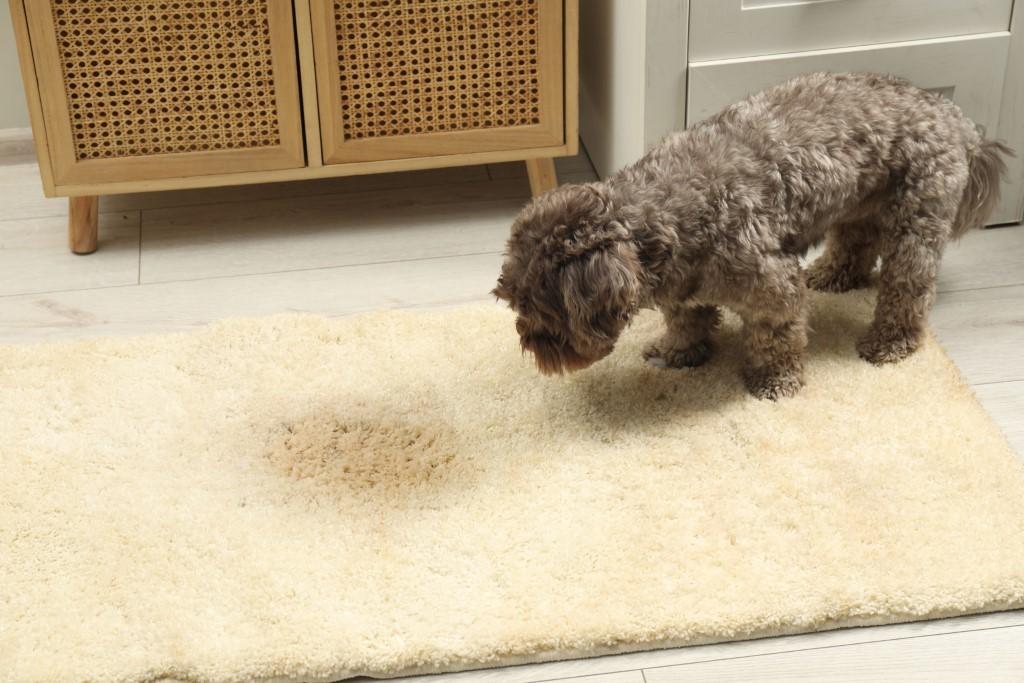
Indoor fabrics absorb outdoor smells quickly. Curtains near sliding doors hold odors after a single afternoon breeze. Meanwhile, rugs near entrances trap scents deep within fibers. Regular dog waste removal addresses the source and prevents indoor odors from lingering. Yard deodorizing also keeps smells under control, supporting both outdoor and indoor air comfort.
Neighbor Health Impact
Sidewalks and communal lawns collect residue during storms. Children, pets, and strollers pass through those areas daily. A single neglected yard increases exposure for several households. Responsible cleanup supports healthier surroundings beyond personal property. Proper initial clean-up minimizes the spread of environmental pollutants between properties.
Good habits also shape community expectations. Clean yards encourage others to follow suit. Neighborhoods feel more welcoming when outdoor spaces are consistently maintained. Professional pet waste removal services further improve neighborhood standards.
Pet Reinfection Cycle
Dogs encounter parasites whenever yards stay contaminated. Sniffing, rolling, and grooming spread contact with organisms in the soil. Even after medication, reinfections occur quietly, making owners think treatments failed.
Repeated infections create stress for both pets and households. Vet visits become frequent, and treatments lose effectiveness when exposure remains constant. Maintaining clean outdoor areas breaks that cycle. Occasional use of a pooper scooper or dog waste technician keeps pets healthier and reduces repeated treatments.
Mental Well-Being
Outdoor mess affects mood more than most notice. Seeing waste while gardening or relaxing creates tension and embarrassment. Guests often notice it immediately, while homeowners may stop seeing it.
Pet owners spend more time outside when the surroundings feel fresh and cared for. Quiet moments feel easier to enjoy. A sense of calm follows when maintenance stays under control. Professional help improves service quality, supporting pet families with convenience and peace of mind.
Cleaning Cost Reduction
Keeping outdoor areas clean reduces indoor wear. Floors stay free of dirt, carpets need fewer deep treatments, and cleaning supplies last longer.
Odor removers and disinfectants build up additional charges over time. Preventive yard care, including pooper scooper use and pet waste removal services, lowers reliance on these expensive products.
Dog waste removal supports smarter maintenance spending. Fewer deep cleans mean lower long-term costs and less stress. Combining initial clean-up with eco-friendly methods protects both lawns and interior spaces effectively.
Conclusion
Outdoor sanitation shapes daily comfort more than most people realize. Yard conditions influence air quality, cleaning routines, and peace of mind. Dog waste removal supports healthier homes by stopping problems before they cross the threshold. A cleaner living space often begins with thoughtful care just beyond the door.
