

First Off: It’s Probably Not What You Think
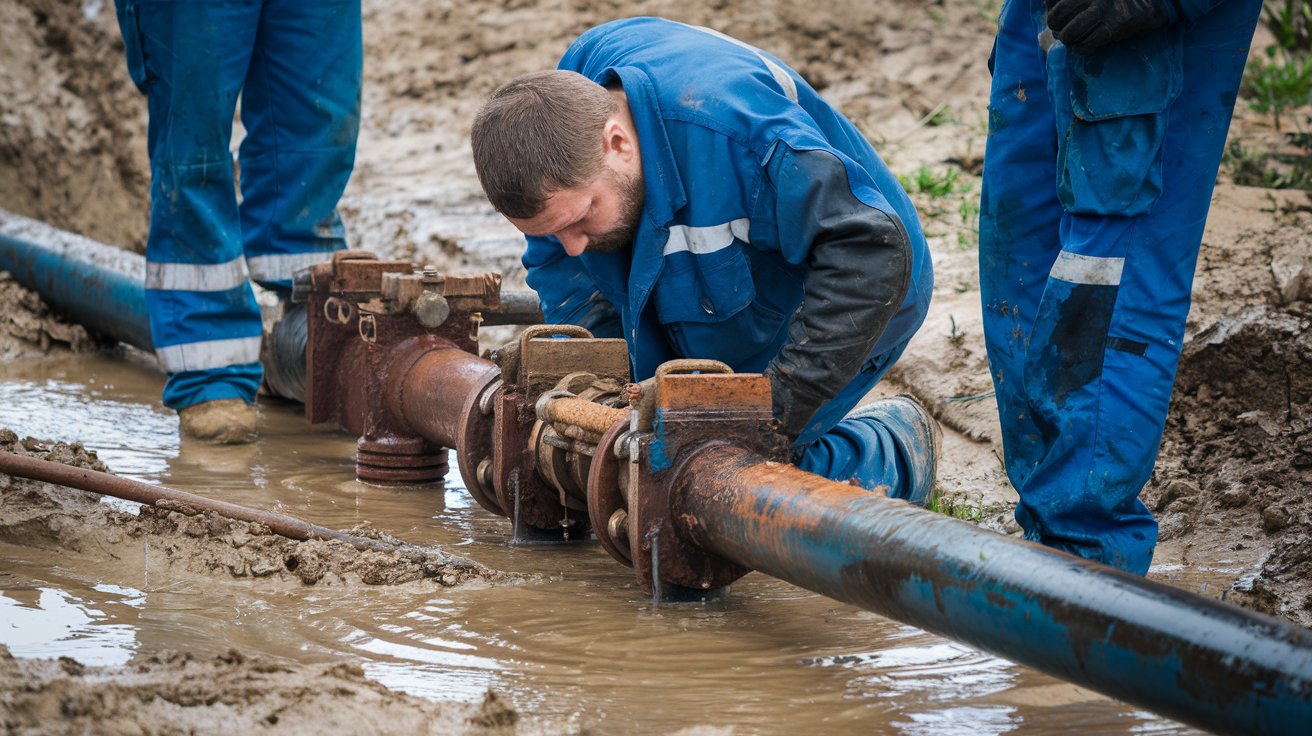
When people hear “water line inspection,” they usually picture a torn-up yard and a crew of workers with heavy machinery. In reality, it’s usually far less dramatic. Most inspections are straightforward, efficient, and minimally invasive. If you’re dealing with low water pressure, rising water bills, or planning to buy a house, this kind of inspection can be a smart way to avoid bigger issues later.
Still, it’s fair to wonder: What exactly does it involve?
The Initial Walkthrough
Every solid inspection starts with a quick conversation. A professional won’t show up and immediately start poking around your property. They’ll ask a few questions first. Things like:
- Have you noticed any sudden changes in water pressure?
- Is there water pooling in the yard?
- Do you hear strange sounds when you run the taps?
That early back-and-forth helps narrow down where the real issue might be hiding. Then the inspection begins. And no, most of the time, they’re not digging. Instead, they use a camera.
The Camera Tells the Truth
Modern inspections rely on video pipe inspection tools. These small, waterproof cameras are threaded into your water line, giving the technician a live view of what’s going on underground. It’s an efficient way to spot problems without ripping anything up.
You can usually see the footage in real time. The tech may walk you through it, pointing out potential trouble spots or buildup. And in most cases, they’ll give you a copy of the video or a written report when they’re done.
What They’re Looking For
You might think of your water line as a simple pipe that brings water into your house. But under the surface, quite a bit can go wrong. During an inspection, they’re usually scanning for:
- Cracks or shifts in the pipe
- Corrosion or mineral buildup
- Leaks, even tiny ones that aren’t visible yet
- Tree root intrusion
- Pressure issues from debris or clogs
If your home is older or the area has seen a lot of ground movement, even small shifts can cause stress on the line. And roots? They’re persistent. If there’s even the slightest crack in the pipe, tree roots will find it.
If There’s a Problem, What Happens Next?
Not every inspection leads to repairs, but if something does come up, you’ll want to know your options. Some fixes are relatively minor, like flushing out sediment or patching a small leak. Others, especially if the pipe material is outdated or damaged, may call for partial or full replacement.
In the past, that meant big trenches and a torn-up lawn. Today, trenchless repair methods make things a lot easier. Techniques like pipe lining or pipe bursting can repair or replace sections of pipe with minimal surface disruption.
If you’re dealing with any of these issues, working with a professional service that specializes in water line repair ensures the job gets done quickly and with minimal impact on your property. The sooner the repair happens, the better chance you have at avoiding costly damage to landscaping, pavement, or even your foundation.
Why Bother If Everything Seems Fine?
That’s the thing. Water line problems don’t usually start with a bang. More often, they show up slowly:
- A patch of grass that always seems damp
- A little drop in pressure
- A bill that’s just a bit higher than it should be
If you live in an older home, or the neighborhood has experienced ground shifting or tree growth, it might be worth checking things out before those small signs turn into a bigger issue.
Inspections are also smart when you’re buying or selling a house. It’s one of those things that gives both sides a little more peace of mind.
Timing and Cost: The Basics
A typical water line inspection takes about one to two hours. It’s not an all-day event, and you usually don’t have to be too hands-on once the technician starts.
Costs can range depending on your location and the complexity of the system, but in general, you’re looking at a few hundred dollars. Compared to the potential cost of an emergency repair or property damage, it’s often worth the upfront investment.
A Quick Note on DIY Temptations
It’s easy to feel like you can handle things yourself after a few hours online. But with water lines, it’s better not to experiment. Without the right equipment and a clear view inside the pipe, you’re mostly guessing. And guesswork with pressurized systems can get expensive fast.
Leave the inspection to the pros. But don’t hesitate to ask questions and learn from the process.
Final Thoughts
A water line inspection isn’t something most people look forward to, but it’s a practical step that can prevent bigger headaches down the road. It’s relatively quick, usually non-invasive, and gives you a clear picture of what’s happening under your property.
If something’s felt off lately or if you’re buying a home and want to be thorough, getting that inspection is just a smart move. It’s not about overreacting. It’s about knowing where things stand, so you’re not caught off guard later.
And honestly, when it comes to your home’s plumbing, having a little certainty is always a good thing.
