

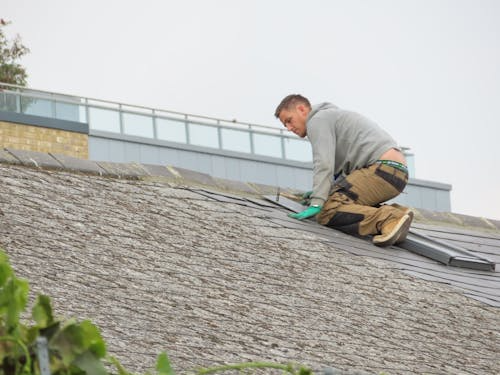
Is your home’s exterior starting to look like it belongs in a “before” photo? You’re not alone. Many homeowners reach a point where peeling paint, sagging gutters, or a faded front porch silently scream for a makeover. But before you grab a ladder or call a contractor, it’s worth taking a beat. Jumping into an exterior renovation without the right information is like painting during a rainstorm—technically possible, but not exactly wise.
Look at the Big Picture First
Too often, exterior projects start with a single idea—say, fresh siding or a new front door—without considering how that change affects the rest of the home. Updating one part of the exterior while ignoring others can result in a mismatched look or worse, structural imbalances. For example, changing roof material without checking the gutters or drainage system could lead to water damage down the line.
More broadly, the climate conversation is reshaping how people approach home upgrades. Homeowners are opting for materials that improve energy efficiency or reduce carbon footprints. Composite decking and solar-integrated roofing are increasingly popular, not just for aesthetics, but for sustainability. When planning, think about how your exterior project fits into today’s greener, more efficiency-focused world.
The Small Stuff Matters More Than You Think
It’s easy to get caught up in dramatic upgrades, but little things can have a big impact. Replacing corroded house numbers or upgrading the mailbox might not sound glamorous, but these updates change the entire feel of a home’s exterior. And let’s not forget the garage—one of the most visible features on many suburban homes.
Old, creaky garage doors do more than annoy the neighbors. They signal that maintenance has been put off, which can affect curb appeal and even resale value. If your garage door sticks, groans, or just looks like it belongs to another century, it may be time to call in garage door installation experts. A new installation can transform both appearance and function, often for less than the cost of a full remodel. In neighborhoods where homes often look similar, this kind of upgrade makes your place stand out for the right reasons.
Permits Aren’t Optional, Even If You Wish They Were
Nobody enjoys paperwork. But skipping permits to “save time” can come back to bite you—hard. Local governments care a great deal about what goes on outside your home, especially if it involves structural changes, utility lines, or anything affecting public spaces like sidewalks. If you paint your house purple, that’s one thing. But building a new fence or adding a porch without approval can lead to fines or mandatory removals.
The process isn’t just red tape for the sake of red tape. Permits protect you by ensuring projects are built to code. This matters when it’s time to sell or refinance, as unpermitted work can delay deals or devalue the home. Your future self will thank you for making that call to City Hall now rather than during a closing.
Weather Waits for No One (and Neither Should You)
Timing is everything with exterior projects. Start a painting job right before a heatwave, and you risk blistered paint. Begin roofing work during rainy season, and you’ll play an expensive game of weather roulette. The problem is, climate patterns are no longer predictable. Homeowners across the U.S. are adjusting to more intense weather events—stronger winds, longer droughts, unexpected cold snaps.
That means planning for the unexpected isn’t just smart; it’s essential. Choose materials suited to your region’s worst-case scenarios, not its average forecast. Install siding that holds up against wind and moisture, or roofing that can take the heat. Ask contractors what kind of weather delays are common and how they build flexibility into their timelines.
Be Real About Budget—and Its Hidden Costs
Online home improvement shows have warped expectations. They make it seem like every stunning transformation can happen in a week and under budget, usually with a dramatic soundtrack. Real-life projects don’t come with theme music, and they almost always cost more than expected.
Aside from materials and labor, you might run into costs for waste removal, landscaping repairs, and tool rentals. Then there are surprise repairs—like discovering rot behind that old siding or needing electrical work to power new lighting. Set a realistic budget and pad it by 10-20% to cover the “oh no” moments. You’ll stress less and avoid cutting corners later.
Contractor Compatibility Is a Real Thing
Hiring someone to work on your home is a bit like dating. You’re entering a relationship where communication, trust, and shared goals really matter. Just because someone has five-star reviews doesn’t mean they’re the right fit for your specific needs. Some contractors specialize in speed over detail, while others are meticulous but slow-moving.
Meet with at least two or three contractors. Ask them how they handle changes, what their typical day on the job looks like, and how they manage subcontractors. Get everything in writing—timeline, materials, cleanup, payment schedule. And if something feels off in your gut, listen. It’s better to wait for the right match than settle for a team that sees your project as just another job.
Think About Long-Term Maintenance, Not Just the “After” Photos
Exterior projects are tempting because the results are visible and immediate. That new patio or cedar siding looks fantastic in the first week. But beauty fades fast without upkeep. Choosing the wrong materials or designs can lock you into years of sanding, sealing, and repainting.
Low-maintenance doesn’t mean boring. There are plenty of products now designed to look great with minimal care—fiber cement siding, rust-proof aluminum railings, or fade-resistant pavers, for instance. Also think about landscaping. Will you need to reseed grass every spring after a heavy winter? Will your new design require weekly trimming? Good design considers the full lifespan of a feature, not just the reveal.
Taking on an exterior project can be exciting, even transformative, but it’s also layered with details that are easy to overlook. From managing permits and budgets to choosing materials that last and talking to the neighbors, there’s more to it than buying supplies and calling a contractor. In a time where climate concerns, housing market shifts, and economic unpredictability all intersect, smart planning becomes a necessity—not a bonus. Make choices that work not just for now, but for the years (and weather) ahead.
