

What Fibrex Windows Are and Why Homeowners Question Their Drawbacks. Quick Overview of Common Concerns With Composite Window Materials
Thinking about Fibrex windows for your home? I’ve looked into what makes them different and where they fall short.
In this article, I’ll walk you through the disadvantages of Fibrex windows so you can make a smart choice.
You’ll learn about cost concerns, durability questions, and performance issues. I’ve spent time researching real experiences and testing data to give you honest answers.
We’ll cover everything from structural weaknesses to warranty problems. You’ll also see how Fibrex stacks up against vinyl and fiberglass.
By the end, you’ll know if these windows match your needs and budget. Let’s get into the facts.
What Are Fibrex Windows?

Fibrex is a composite window material blending wood fiber and vinyl, marketed as stronger than vinyl alone.
Fibrex is a composite material made by Andersen Windows. It mixes wood fiber with polymer compounds to create something supposedly stronger than vinyl.
Fibrex sits between vinyl and fiberglass in terms of strength. It’s tougher than standard vinyl but not as rigid as pure fiberglass.
You pay more than vinyl but get less strength than fiberglass.Many people know the Andersen brand name. That reputation draws homeowners to Fibrex products.
The marketing emphasizes durability and energy efficiency, but those claims don’t always match real-world performance.
Understanding How Fibrex Windows Are Made
Fibrex combines 40% reclaimed wood fiber with 60% vinyl through heat and compression.
The problem? That 60% vinyl content is the weak link. It dominates how the material performs under stress.
Pure fiberglass is about eight times stronger than vinyl. Fibrex uses weaker wood fibers instead, so it behaves more like vinyl because that’s mostly what it is.
The high vinyl content causes expansion and contraction with temperature changes, creating internal stress that can lead to warping or seal failures over time.
Key Disadvantages of Fibrex Windows
Fibrex windows have multiple drawbacks including structural issues, high costs, and limited options compared to alternatives.
Structural Weakness Compared to Fiberglass

Fibrex can’t match fiberglass in raw strength. The 60% vinyl content limits how much load it can handle. Larger window openings need thicker frames for support. Fibrex frames bend more under weight.
For big picture windows or sliding doors, you need more frame material to maintain stability. That means less glass and more obstruction.
Expansion, Contraction & Warping Concerns
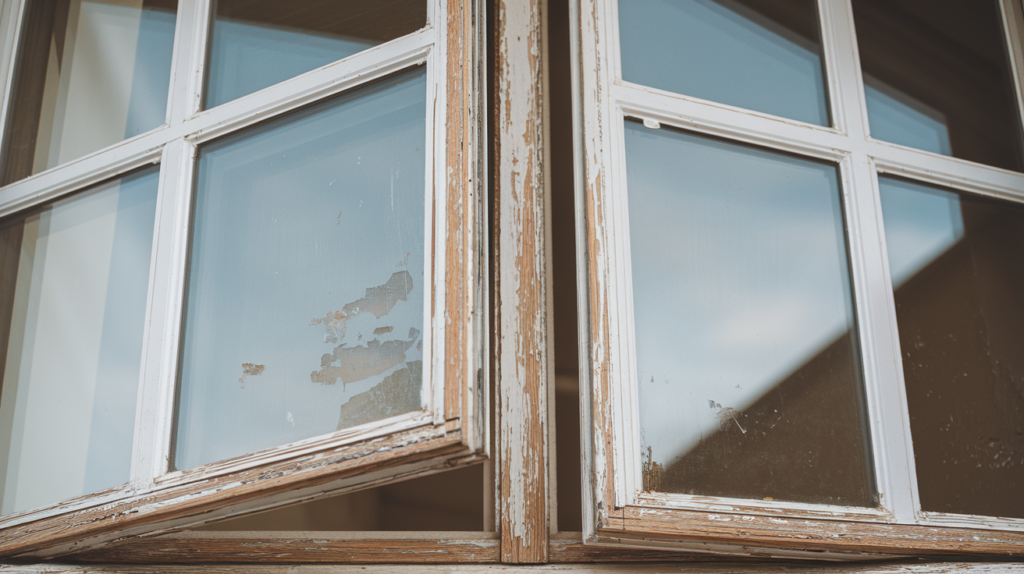
The wood and vinyl components expand at different rates. This internal conflict can cause bowing over time. Frames may not close properly after a few years.
In areas with big temperature swings, your windows might operate fine in spring but stick in summer. Winter colds can create gaps.
Bulkier Frames That Reduce Glass Area

Because Fibrex isn’t as strong as fiberglass, frames need more material. This means thicker profiles around your windows.
You lose visible glass area and get less natural light. Bulkier frames also look less modern.
Higher Cost Without Corresponding Strength
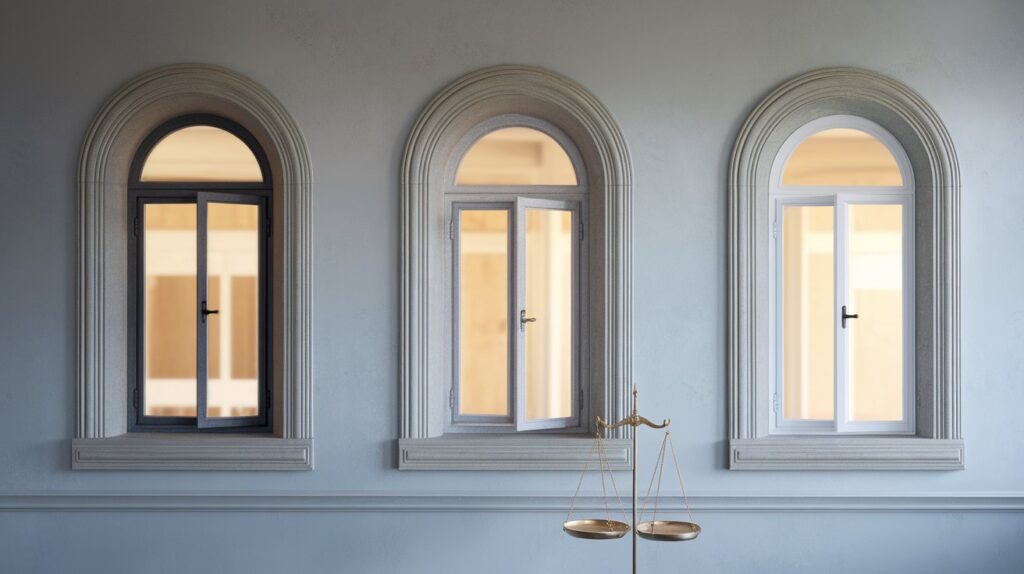
Fibrex costs more than vinyl but doesn’t reach fiberglass strength. You’re paying a premium for a mid-range product.
The price often matches or exceeds quality fiberglass options. You can get stronger windows for the same money or pay less for vinyl.
Limited Color & Finish Options
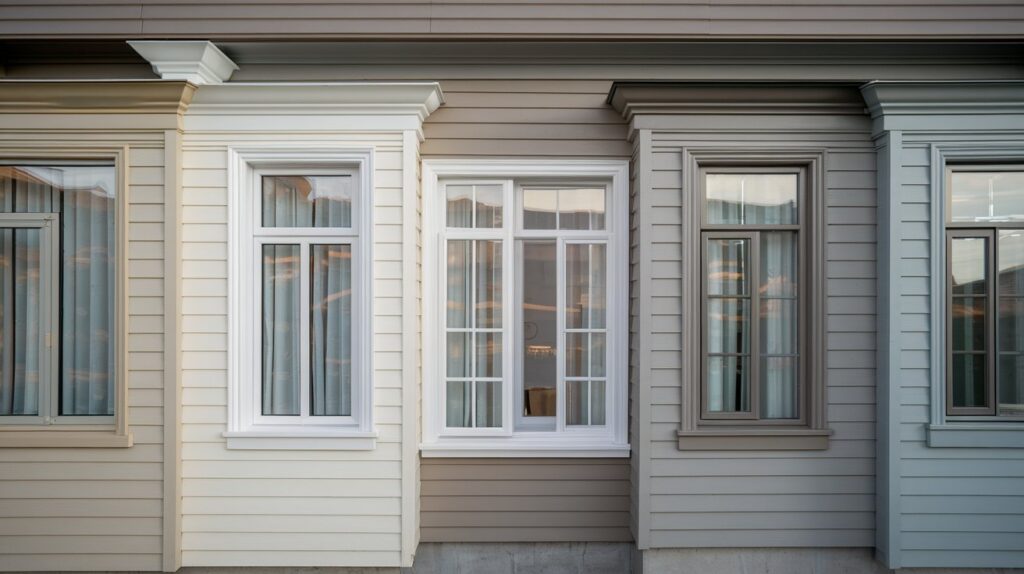
Andersen offers fewer exterior colors with Fibrex than competitors offer with fiberglass. Most options are neutral tones.
Bold or custom colors aren’t available. Color is baked into the material during manufacturing. You’re stuck with what they offer.
Warranty Limitations & Prorated Coverage

Andersen’s warranty coverage is prorated, meaning it decreases over time. After a few years, you’re responsible for most replacement costs.
The non-glass components have shorter coverage than competitors offer. You can’t shop around for replacement parts.
Seal Failure Risk Due to Mixed Material Expansion Rates
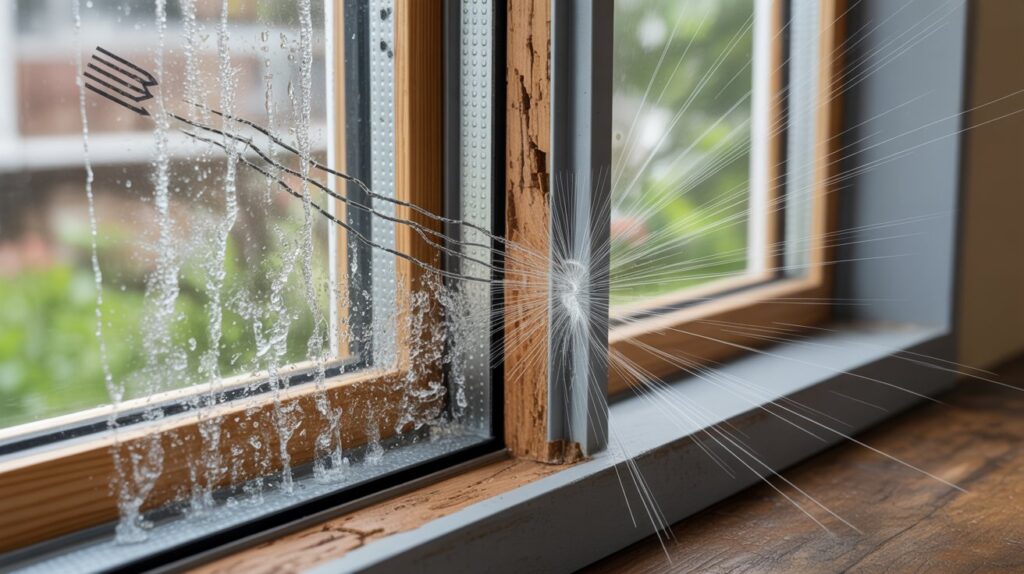
Fibrex’s mixed composition creates movement that stresses seals. Wood and vinyl expand differently.
This pushes and pulls on the seal over time. Once seals fail, you get condensation between panes. Your energy efficiency drops.
Exclusive Manufacturing Leading to Higher Pricing
Only Andersen makes Fibrex. No competition means they control pricing. This monopoly keeps prices high.
You also have fewer dealers to choose from. Limited distribution can mean longer waits or higher installation costs.
Performance Issues in Extreme Heat

Fibrex performs better than vinyl in heat but worse than fiberglass. The vinyl content softens when temperatures climb.
Frames can bow slightly over summers. Dark colors absorb more heat and make this worse. If you live where it regularly hits 100+ degrees, consider this carefully.
Higher Upfront Cost
Fibrex windows cost significantly more than vinyl without delivering proportional improvements in strength or longevity.
| Comparison | Details |
| Fibrex vs. Vinyl | Vinyl windows are the budget option. Fibrex costs 30-50% more in most markets. The extra cost comes from manufacturing complexity and brand positioning. But you’re not getting 30-50% better performance. The improvement over vinyl is modest. |
| Fibrex vs. Fiberglass | Quality fiberglass windows often cost about the same as Fibrex. Sometimes they cost less. But Andersen prices Fibrex as a premium product. You’re paying for that name recognition. |
| Value Assessment | The cost difference doesn’t reflect material quality. You’re paying for branding and exclusive distribution. The actual window doesn’t perform better than cheaper options in many categories. Compare specs, not brand names. You’ll often find better value elsewhere. |
Limited Manufacturer Options
Andersen exclusively produces Fibrex, eliminating competition and limiting consumer choices for pricing and service options.
Fibrex Is Exclusive to Andersen Windows
Only one company makes Fibrex. Andersen owns the trademark and formula. No other manufacturer can produce it.
This creates a monopoly on the material. That exclusivity works in Andersen’s favor, not yours. They control supply, pricing, and distribution completely.
Lack of Competition Means Higher Pricing
Competition drives prices down. When multiple companies make vinyl or fiberglass windows, they compete on cost. With Fibrex, there’s no price competition.
Andersen sets the price. Take it or leave it. This keeps Fibrex expensive compared to materials with multiple suppliers.
Fewer Dealers and Replacement Options
Not every window contractor works with Andersen products. You need certified dealers for installation and warranty work.
In smaller markets, you might have only one or two options. If you need repairs years later, you’re stuck with Andersen’s network. Flexibility matters when problems arise.
Not as Strong or Rigid as Full Fiberglass
Fibrex’s high vinyl content makes it weaker than pure fiberglass. Structural tests show it bends more under the same load.
Larger windows need extra reinforcement with Fibrex. The material moves noticeably more due to its vinyl content, especially in extreme temperatures.
Over time, this movement creates gaps. Hot summers and cold winters stress the entire window through constant expansion and contraction.
Fiberglass consistently outlasts composites like Fibrex. Coastal salt air and high desert temperature swings cause the most problems.
Performance Concerns in Extreme Temperatures
| Temperature Concern | Details |
| Better Than Vinyl, But Still Not Ideal for Very Hot Regions | Vinyl softens above 165°F. Fibrex handles slightly more heat, but in Phoenix or Las Vegas, its vinyl component still softens, causing frames to sag or warp. Fiberglass stays rigid in extreme heat. |
| May Expand/Contract More in Climate Extremes | Fibrex moves more than fiberglass in temperature swings. In areas with 80-degree daily ranges, this movement stresses seals and shifts frames. Mountain homes and high deserts see the worst effects. |
| Possible Long-Term Warping or Seal Issues | Repeated heating and cooling cycles take their toll. Over 10-15 years, Fibrex can develop bowing in horizontal members, affecting operation and causing seal leaks. Fiberglass maintains its shape better. |
Limited Color and Finish Options
Fewer Exterior Colors Compared to Fiberglass
Andersen offers basic Fibrex colors white, tan, bronze, and a few others. Fiberglass manufacturers provide dozens of colors plus custom matching.
Limited options work for standard homes but may not fit specific visions.
Color Fading Over Time
Color is mixed into Fibrex during manufacturing, not painted. But the vinyl component fades with UV exposure, especially darker colors.
After several years, frames look washed out. Fiberglass uses better UV inhibitors and painted fiberglass can be repainted Fibrex cannot.
Not Suited for Custom or Architectural Projects
Fibrex lacks flexibility for unique window shapes or colors. Limited options and single-manufacturer control make customization difficult.
Architects on high-end or historical projects typically choose fiberglass or wood instead.
Warranty Limitations
Andersen warranties Fibrex frames for 20 years. Many fiberglass manufacturers offer 30 years or lifetime coverage; shorter warranties suggest less confidence in long-term performance.
The warranty is prorated, meaning coverage decreases over time. After five years, you might only get 75% credit toward replacement. By year fifteen, you’re paying most costs yourself.
Only Andersen can fix issues where no third-party parts exist. You can’t shop around for service pricing, leaving you dependent on Andersen for parts, repairs, and costs.
Potential Maintenance Issues
Fibrex requires periodic cleaning and can fade or stain over time, offering less maintenance-free performance than advertised.
- The vinyl in Fibrex is susceptible to fading. UV rays break down the polymer over years. Darker colors fade faster. Staining can occur from dirt or mildew in humid climates.
- Marketing calls Fibrex low maintenance, but it’s not maintenance-free like they imply. The material’s surface isn’t as resistant as pure fiberglass.
- Windows collect dirt, pollen, and grime. Fibrex needs regular cleaning to look good. The textured surface can trap debris.
- Pressure washing helps but uses low pressure. High pressure can damage the surface. If you skip cleaning, the frames look shabby faster.
- Fiberglass resists fading better and doesn’t stain as easily. Over 20 years, that difference is noticeable. Andersen’s claims about maintenance are exaggerated.
Installation Quality Can Vary
Proper Fibrex installation requires Andersen-certified contractors, limiting choices and potentially affecting window performance if done incorrectly.
Dependent on Andersen-Certified Installers
Andersen requires certified installers for warranty coverage. Not every contractor qualifies.
This protects their brand but limits your options. In some areas, certified installers are scarce. You might wait longer or pay more.
Poor Installation Can Lead to Air Leaks or Seal Failure
Even good windows fail if installed wrong. With Fibrex’s tendency to expand and contract, installation precision matters more.
Small mistakes become bigger problems over time. Air leaks kill energy efficiency, and seal failures let moisture in.
Fewer Installer Options Compared to Vinyl or Fiberglass
Vinyl windows are everywhere. Almost any contractor installs them. Fibrex’s exclusivity means fewer trained installers.
Limited installer competition affects pricing too. When only two contractors in town are certified, they can charge more.
Environmental Claims May Be Overstated
Fibrex’s environmental benefits are questionable given its high vinyl content and limited transparency about recycling processes.
Contains a High Percentage of Vinyl
Vinyl production uses petroleum and chlorine. It’s not an eco-friendly material. Fibrex contains 60% of it.
The wood fiber comes from recycled manufacturing waste, but the vinyl component undercuts the environmental story. Most of the window is still plastic.
Marketing Often Emphasizes Recycling but Lacks Transparency
Andersen highlights the recycled wood content heavily, but details are vague. How much energy does Fibrex production use?
What’s the carbon footprint compared to alternatives? They don’t publish those numbers. Marketing focuses on the positive without full disclosure.
Less Eco-Friendly Than Pure Fiberglass or Wood Alternatives
Wood windows from sustainable forests have the lowest carbon footprint. They’re fully renewable and biodegradable. Fibrex falls in the middle.
Better than pure vinyl, worse than wood. About the same as fiberglass when you factor in longevity. Green marketing exceeds reality.
Who Should Avoid Fibrex Windows?
Certain homeowners including those in extreme climates, on tight budgets, or wanting customization should consider alternatives.
If you live where temperatures regularly exceed 100 degrees, the vinyl content can soften and warp. Choose fiberglass for tough climates.
If budget is your main concern, vinyl makes more sense. You’ll save thousands.
Limited color options don’t work for design-focused homeowners.
Fiberglass or wood offers more options. If you want windows that last 40+ years, fiberglass is better. Fibrex works okay for 15-20 years.
Conclusion
I’ve worked with enough window materials to know Fibrex has real limitations. The high cost doesn’t match the performance. That 60% vinyl content creates problems down the road.
If you’re in a moderate climate with a medium budget, Fibrex might work fine. But honestly, I’d look at quality fiberglass first. You’ll get better strength for similar money.
Compare actual specs, not marketing claims. Get quotes on fiberglass and vinyl too. The disadvantages of Fibrex windows are worth considering carefully before you spend thousands.
What’s your biggest concern about window replacement? Drop a comment below and let’s talk through your specific situation.
Frequently Asked Questions
Are Fibrex windows worth the extra cost over vinyl?
Not usually. Fibrex costs 30-50% more than vinyl but doesn’t deliver proportional performance gains. Quality vinyl or fiberglass offers better value.
How long do Fibrex windows typically last?
Fibrex windows last 15-25 years in moderate climates. Harsh climates reduce lifespan. Fiberglass windows often exceed 30 years.
Can Fibrex windows handle extreme heat?
Fibrex performs better than vinyl but struggles above 100 degrees. The 60% vinyl content can soften and warp. Fiberglass handles extreme heat much better.
Do Fibrex windows require special maintenance?
Fibrex needs regular cleaning to prevent staining. The material can fade over time, especially in darker colors. Expect periodic cleaning with mild soap and water.
Why are Fibrex windows only available from Andersen?
Fibrex is proprietary to Andersen Windows. They control production and distribution. This monopoly eliminates price competition and limits consumer choices.
