

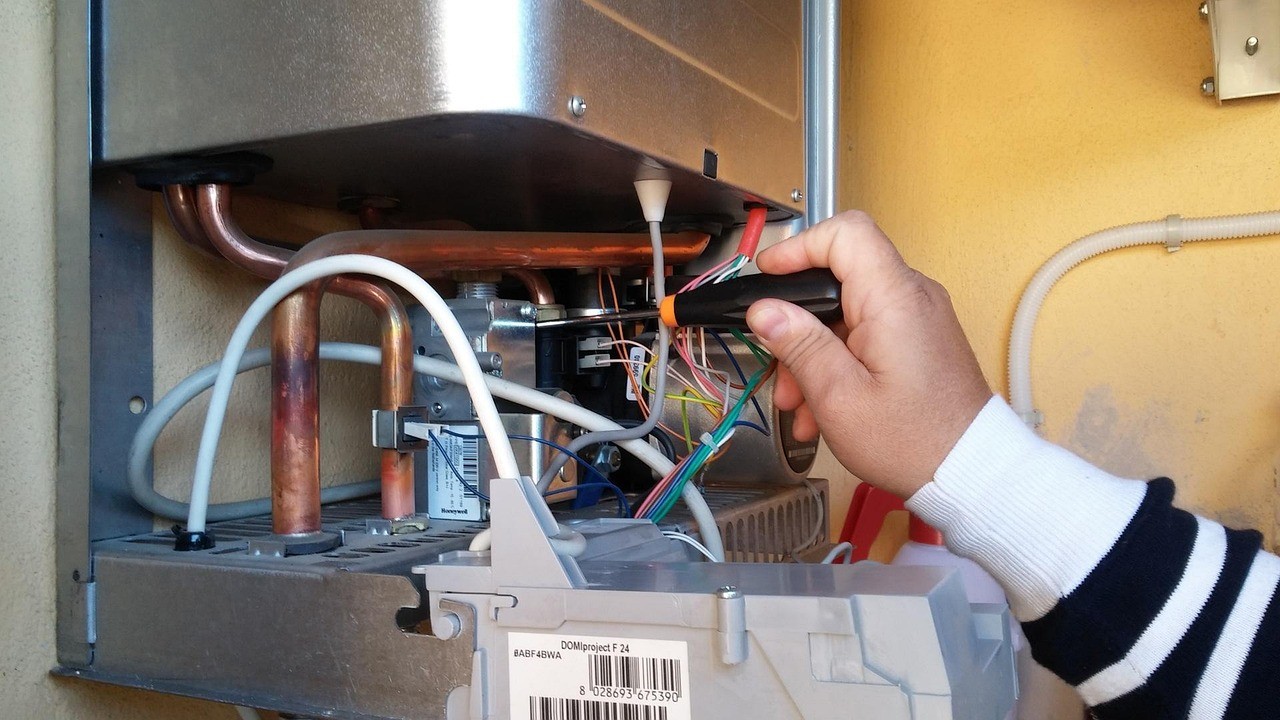
Winter has its way of reminding homeowners that comfort is not accidental. During winter, many households experience disruptions in their home heating systems at the first bite of the weather. Most of these come from preventable system issues.
However, you can stay ahead of these issues and avoid unexpected expenses, reduce downtime, and keep your energy usage under control. In this article, you will find a winter-preparatory checklist that addresses the most common water heater problems. It will also touch on HVAC failures and other related winter heating issues.
1. No Hot Water
The sudden blast of cold water on a winter morning is a surprise no one likes. When this happens, it means either your water heater is overwhelmed, or something isn’t functioning properly. No hot water is easily one of the most common water heater issues, especially during high-demand months.
Cold groundwater entering your tank is significantly colder. This forces your heater to work harder and for longer to reach the set temperature. The extra strain can trip switches or overwhelm an already burdened heating element. Before you panic, start your fix with troubleshooting:
- Check your thermostat settings
- Inspect circuits or pilot lights, depending on your system type
- Flush the tank to remove sediment
- Run a multimeter check for electrical heaters
If your water heater is not working beyond these steps, it may be a mechanical failure, such as a burnt element or faulty gas valve. However, if these issues happen often, you might need deeper maintenance or repair.
2. Lukewarm Water That Never Gets Hot Enough
Lukewarm water is one of the most irritating water heater problems because it doesn’t feel “urgent” enough. This issue can possibly be caused by an undersized tank for winter demand, a missing insulating jacket, which causes an increase in heat loss, a failing heating element, or a thermostat malfunction.
To address this, feel the hot water outlet pipe and the tank itself. If they are warm to the touch, it hints at energy efficiency issues, as you are losing heat to the air. Wrap external pipes and tanks with foam insulation to help retain heat before it dissipates.
3. Leaking Water Heater
Moisture or an active drip around the base of your tank is not a problem to ignore. Internal corrosion and sediment buildup can create weak points. Temperature changes then cause metal components to contract, exposing these weak points.
When you see a water heater leaking or moisture around your tank, you should try to identify the source.Pinpoint if it’s from the T&P relief valve pipe, which can be due to over-pressurization, or due to corrosion from the tank itself.
Tighten the connection if the connection leak is the problem, or replace the T&P valve if that’s the problem. By adopting regular water heater maintenance tips like an annual flush to reduce sediments, you can prevent these damages.
4. HVAC Failures From Dirty or Blocked Filters
Clogged filters seem too simple a problem to cause significant damage. However, clogged filters are responsible for a large number of HVAC failures during winter. At these times, indoor air is drier and circulates dust faster. With homes closed up, there is a reduction in airflow. To ensure you don’t have this problem during winter, you should replace filters every 30 to 45 days during winter. Introduce a source of clean airflow for your heating system. This prevents heating system failure due to overheating or restricted air movement.
Handling these basic troubleshooting is great, but winter often amplifies small issues into major breakdowns. A Sacramento Plumbing & HVAC Services help address these system inefficiencies before they cause full-scale breakdowns. Having your HVAC system checked seasonally as much as your water heater is a smart way to manage your home.
5. Cracked Heat Exchanger
Another serious HVAC failure is a crack in the heat exchanger. The heat exchanger is the metal chamber that heats the air. When it sustains a crack, it can leak carbon monoxide into your home’s air supply. These cracks can occur due to corrosion from condensation merged with metal fatigue from years of expansion and contraction. Winter just happens to worsen them.
One of the tell-tale signs is to look for soot inside the furnace. A change in the burner noise can also be an indicator that something is wrong in the heat exchanger. Also, condensation or rust on the furnace exterior is not a good sign. There is usually no repair for this damage. If a cracked heat exchanger is suspected, turn off the furnace immediately. Ventilate your home and call a professional. You will need a replacement furnace. That’s the only safe option.
6. Furnace Short Cycling
When your furnace rapidly turns on and off, that’s short cycling. The result of this on-and-off cycle is that the furnace never runs long enough to heat your home properly. While this can be caused by clogged filters and thermostat placement issues, a faulty limit switch is a bigger culprit. Sometimes, your system may be oversized, leading to this inefficiency. If not addressed, short cycling can lead to high energy bills in winter and even premature furnace failure.
7. Less Efficient Heat Pumps
Heat pumps are efficient, but they do have their limits. When outdoor temperatures plunge, heat pumps may fail to extract enough warmth from the air. If your heat pump is running constantly, that is a sign that it’s not doing so well.
If the air feels cool despite the heating being on, that’s a sign your heat pump is having a hard time. When there is ice buildup on an outdoor unit, you should check out your heat pump. Some fixes you can implement temporarily for this include basic winter home maintenance you can integrate into your routine, especially if you live in colder regions.
- Clear snow around exterior units
- Improve home insulation
- Use supplemental heating during extreme cold dips
Endnote
The most frustrating water heating problems and HVAC failures are often the ones you don’t see coming. Incidentally, most of these kinds of issues are also the easiest to prevent if you know what to look out for. In preparing for the winter months, you need to understand your home’s systems and how to keep your home warmer, more efficient, and affordable. Be more proactive by applying water heater maintenance tips, and also know when to seek the assistance of professionals. By doing this, you will have a warm and worry-free season.
