

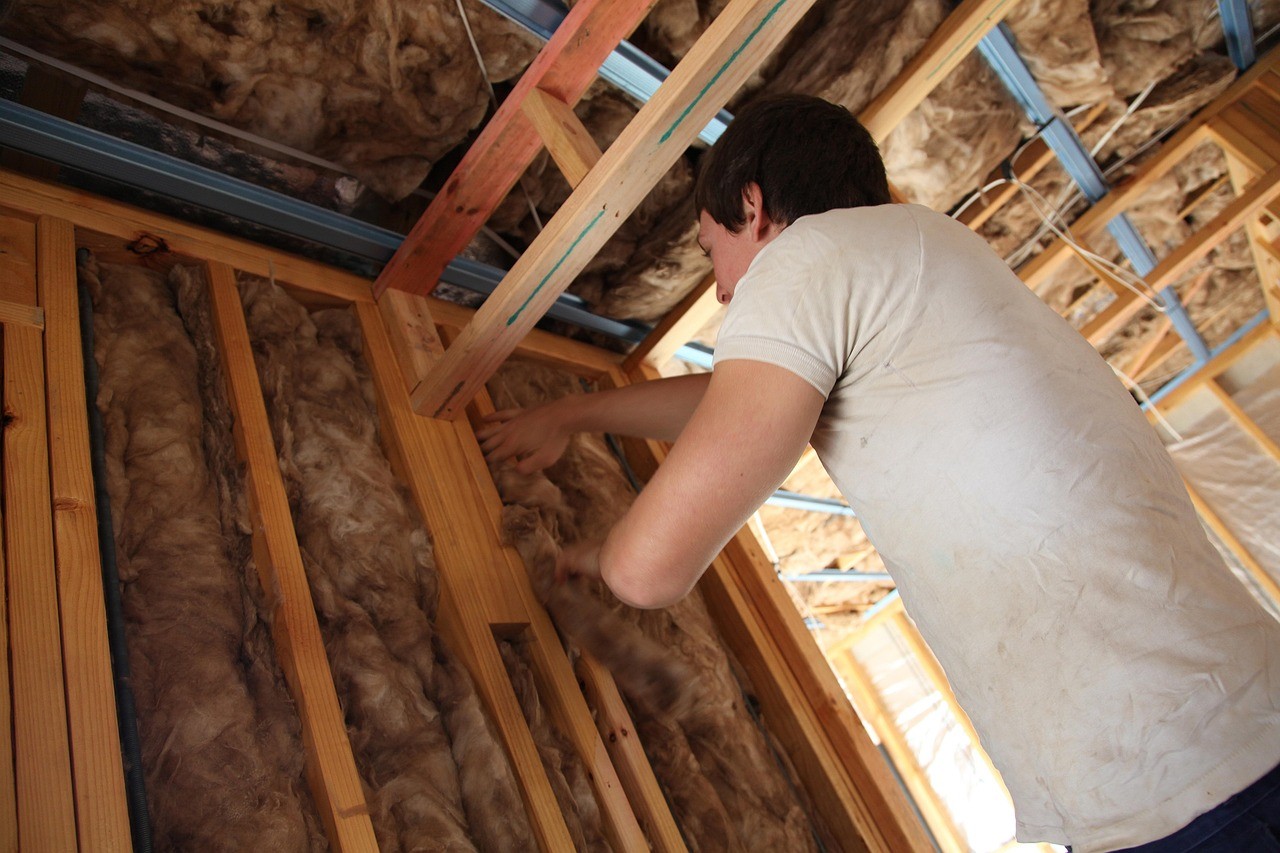
Home insulation is one of those upgrades people rarely get excited about because it is hidden behind walls, tucked into attics, and buried under floors. Yet it quietly shapes how comfortable your home feels, how much you spend on utilities, and how hard your HVAC system has to work every single day.
When insulation is done right, energy efficiency becomes something you actually feel and see on your bills. In this guide, we’ll be looking at insulation from a real homeowner’s perspective, what actually works in different climates, and how savings stack up over time.
Why Insulation Is the Backbone of Energy Efficiency
Energy efficiency starts with keeping the air you already paid to heat or cool inside your home. Insulation slows heat transfer. In winter, it keeps warmth from escaping, and in summer, it blocks outdoor heat from creeping in. Without it, your heating and cooling system ends up fighting a losing battle.
Well-insulated homes maintain more stable indoor temperatures. Rooms feel less drafty. Hot spots and cold corners fade away. The result is usually a calmer, quieter, and easier-to-live-in house. Over time, this stability reduces wear on HVAC equipment, which can delay costly repairs or replacements.
Understanding R-Values
R-value measures insulation resistance to heat flow. Higher numbers mean better insulating power. What gets confusing is that the right R-value depends on where you live and where the insulation is installed.
Attics usually need higher R-values than walls because heat rises. Floors over crawl spaces need enough insulation to block cold air moving underneath. Instead of chasing the highest number possible, aim for the recommended ranges from your climate zone. Over-spending on extreme R-values in mild climates often delivers diminishing returns.
Matching Insulation Types to Climate Conditions
Climate should always be the starting point when choosing insulation. What works beautifully in one region can underperform, or even cause problems, in another. In cold climates, the priority is to slow heat loss as long as possible. That means thick attic insulation paired with airtight wall assemblies.
Fiberglass batts and blown-in cellulose remain popular here because they provide reliable thermal resistance without blowing up the budget. When installed properly, they reduce drafts, stabilize indoor temperatures, and help heating systems run less often.
Hot, humid climates present another challenge. Here, insulation has to manage both heat and moisture. Warm, moisture-heavy air wants to sneak inside, condense, and create discomfort or damage. Spray foam performed especially well in these conditions because it expands to seal gaps while resisting moisture infiltration. It limits air movement, which is often the real culprit behind humidity problems, not temperature alone.
Mixed climates sit somewhere in between. These areas experience both heating and cooling seasons, sometimes intensely. Hybrid systems often make the most sense. Combining fiberglass batts with rigid foam or blown-in insulation allows homeowners to balance upfront costs with year-round performance.
The key is flexibility; insulation should respond to seasonal changes, not fight them. Ignoring climate considerations often leads to uneven comfort and wasted money. Too much insulation in the wrong place (or the wrong type altogether) can trap moisture, strain HVAC systems, and leave certain rooms perpetually uncomfortable. Climate-aware installation choices prevent those headaches from the start.
Where Insulation Matters Most Inside the Home
Not all insulation upgrades deliver equal returns. Attics usually offer the biggest payoff because heat loss is greatest at the top of the house. Walls matter, but retrofitting them can be invasive and costly. Basements and crawl spaces are often overlooked. Insulating these areas reduces cold floors and helps regulate indoor humidity. Sealing around windows, doors, and ductwork complements insulation by stopping air leaks that undermine its effectiveness. Think of insulation as a system, not a single product.
Preventing Condensation, Moisture, and Hidden Damage
Insulation does more than control temperature. It also plays a critical role in moisture management. When warm air meets cold surfaces, condensation forms. Over time, this moisture can damage drywall, framing, and insulation itself.
Proper insulation reduces moisture buildup, and if you miss the signs of moisture, experts like Water Damage Kansas City can help assess hidden problems. This matters because trapped moisture often goes unnoticed until it causes serious structural or health issues. Pairing insulation with proper ventilation ensures moisture escapes instead of settling where it does not belong.
Cost vs. Savings
Insulation costs vary widely depending on material, labor, and oem size. Fiberglass and cellulose are usually the most budget-friendly options. Spray foam sits at the higher end but often delivers faster energy savings.
Most homeowners see noticeable reductions in heating and cooling costs within the first year. Over time, these savings compound, especially as energy prices rise. Many upgrades pay for themselves within five to ten years, sometimes sooner in extreme climates. Comfort improvements, quieter rooms, and improved indoor air quality add value beyond the numbers.
How Insulation Boosts Home Value and Long-Term Comfort
Energy-efficient homes are increasingly attractive to buyers. Good insulation signals lower utility costs and better comfort, two things buyers care about more than ever. Appraisers and inspectors often note insulation quality as part of the overall home condition. Beyond resale value, insulation improves daily life. Fewer drafts, more consistent temperatures, and less outside noise. These changes elevate how a home feels, season after season.
How to Plan For an Insulation Upgrade
Begin with an energy audit if possible. It highlights where your home is losing energy and helps prioritize upgrades. Focus first on sealing air leaks, then add or upgrade insulation where it matters most. Work with experienced installers who understand your climate and building type. Ask about ventilation and moisture control, not just insulation thickness. A thoughtful plan avoids common mistakes and maximises long-term benefits.
Endnote
Home insulation may not be glamorous, but it is one of the smartest investments you can make. It improves energy efficiency, enhances comfort, protects your home from moisture-related issues, and saves money year after year. When chosen carefully and installed correctly, installation works quietly in the background, making your home more resilient and enjoyable. It is not just about staying warm or cool; it is about creating a space that works with you, no matter the season.
