

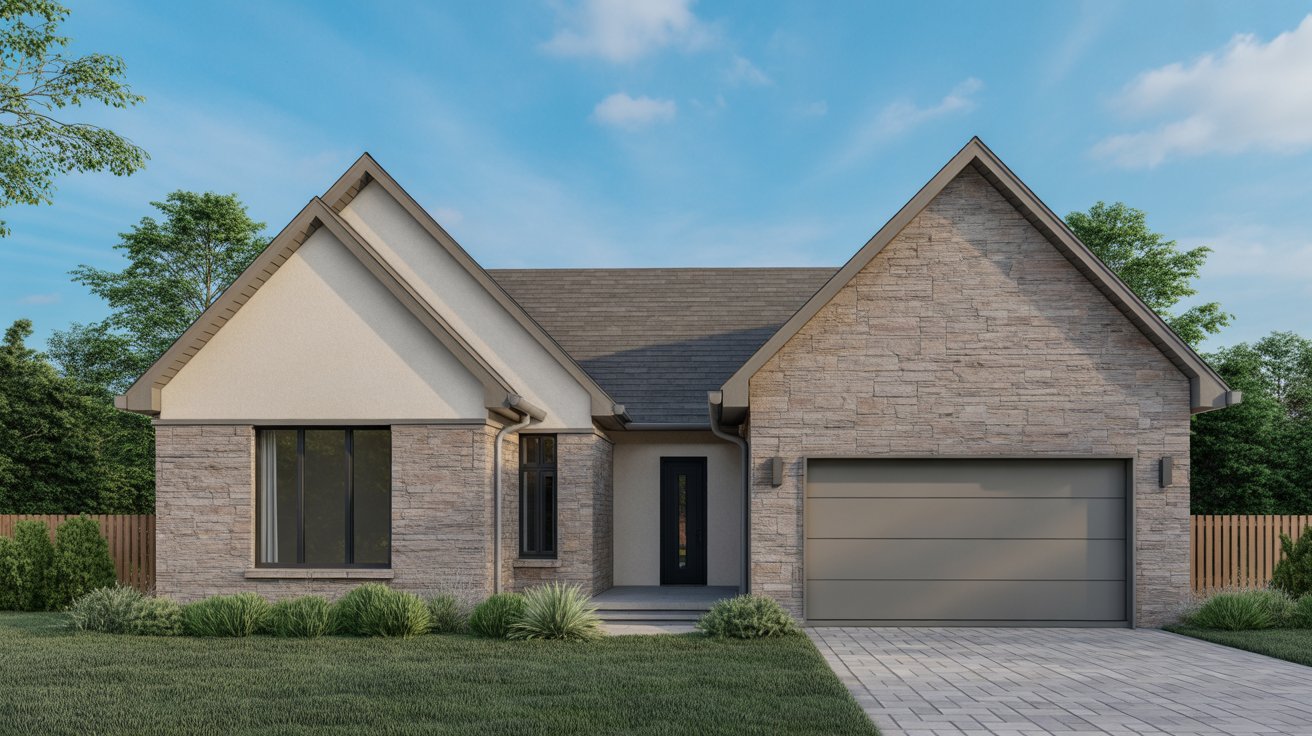
Choosing the right style of faux rock siding is crucial in defining the overall aesthetic of your home’s exterior. Faux rock siding offers a versatile range of styles that cater to different architectural preferences, from rustic charm to sleek modernity. Rustic styles typically embody elements reminiscent of natural stone, characterized by irregular shapes and earthy colors that evoke a sense of coziness and warmth. These styles are perfect for log cabins, country homes, or any residence aimed at capturing a more organic feel. On the other hand, modern styles of faux rock siding tend to emphasize clean lines and uniformity, often incorporating geometric shapes or even minimalist designs that complement contemporary architecture. The finish may be smoother and the colors more subdued, making it an excellent choice for urban settings where a polished look is desired. When considering your home’s style, think about the surrounding environment: what colors and textures dominate? This will help in selecting a faux rock siding that harmonizes with both your home and its surroundings to create a cohesive and inviting atmosphere.
Color and Texture: Finding Your Home’s Signature Look
The palette of colors and the texture of your chosen faux rock siding play a significant role in personalizing your home’s appeal. You can find faux rock products in a remarkable spectrum of colors, from deep charcoals and muted greens to sandy beiges and vibrant reds. It’s essential to consider not only your personal taste but also how these colors interact with the other elements of your home’s exterior, like the roof, doors, and windows. For instance, if your home has warm wooden tones, opting for neutral or earth-toned faux rock can result in a harmonious and inviting facade. Texture is equally substantial as it can dramatically alter the perceived depth and dimension of your siding. Rough textures mimic the ruggedness of natural stone, perfect for enhancing rustic properties. Conversely, smoother textures provide a more polished appearance ideal for modern homes. Many manufacturers today are offering customizable options allowing for a unique texture that meets design visions. Take the time to visit home improvement stores or exhibitions to see samples in person, as colors and textures can look vastly different under various lighting conditions.
Eco-Friendly Options: Embracing Sustainability in Design
As we move towards a more sustainable approach in our living practices, it’s heartening to note the availability of eco-friendly faux rock siding options. Many manufacturers are now focused on creating products that not only provide aesthetic value but also minimize the environmental impact. Made from recycled materials, eco-friendly faux rock siding can drastically reduce the energy needed for production and installation, as well as ensure that harmful chemicals are kept to a minimum. When selecting your siding, look for certifications such as LEED (Leadership in Energy and Environmental Design) or other eco-labels that denote environmental considerations. In addition, some innovations in this space are making these materials even more compelling. For example, many faux rock sidings now embrace insulation properties, which contribute to energy efficiency by reducing heating and cooling costs, an important consideration for any eco-conscious homeowner. Additionally, choosing materials that are rot-resistant and impervious to pests can extend the lifespan of your siding, further supporting sustainability by reducing the need for replacement.
Installation Secrets: Ensuring a Flawless Finish
DIY vs. Professional Installations: Weighing Your Options
When it comes to installing faux rock siding, homeowners often find themselves weighing the merits of a DIY approach against hiring professionals. On one hand, DIY installation can be rewarding and cost-effective, particularly if you have some background in home improvement projects. Many faux rock siding products are designed to promote an easy application process, often interlocking seamlessly or requiring minimal tools. This accessibility invites homeowners to get creative, enabling a hands-on experience that can add a personal touch to their home’s exterior. However, for those less experienced in home renovations, it may be wise to consider hiring professionals. Expert installers can assure that the siding is mounted correctly, minimizing the potential for issues like improper sealing or alignment that can lead to long-term damage or aesthetic inconsistencies. They also bring in depth of knowledge about local building regulations and weather considerations specific to your area, ensuring your installation meets all necessary standards. Assessing your own skill level, time commitment, and the complexity of your project will guide you to the best decision.
Essential Tools and Materials for a Professional Touch
If you decide on a DIY installation, having the right tools and materials is essential for achieving a professional-looking finish. Start with a sturdy measuring tape and a chalk line to ensure precise layout alignment. A quality utility knife and a pair of tin snips will be invaluable for cutting your faux rock siding to size. Additionally, a good level is critical for ensuring that your siding is straight and properly aligned throughout the installation process. Beyond these basics, a caulking gun and weather-resistant sealant will help protect against moisture intrusion, which is vital for a durable installation. Depending on the product and design, you may also need a pneumatic nail gun, which can speed up the installation process significantly. While gathering your materials, always refer to the manufacturer’s specifications, as they often provide a detailed list of necessary tools and suggest best practices to ensure that your siding remains attractive and functional for years to come.
Common Pitfalls to Avoid During Installation
Achieving the perfect look with faux rock siding comes with its challenges. One common pitfall is failing to account for expansion and contraction due to varying temperatures. Faux stone materials, while durable, can expand or contract during extreme weather changes, resulting in gaps if not installed correctly. To prevent this, always leave sufficient space for expansion based on the guidelines provided by the manufacturer. Another frequent mistake is improper sealing at the joints and corners. Without the right amount of caulk or sealant, water can seep behind the siding, leading to mold, rot, and damage over time. It’s critical to ensure that every seam and edge is thoroughly sealed and that you follow up with regular inspections in case your siding needs any adjustments or touch-ups in the future. Additionally, be cautious with your choice of fasteners; using the wrong type can lead to rust and deterioration that undermine your investment in faux rock siding.
Maintenance Made Easy: Keeping Your Faux Rock Siding Gorgeous
Cleaning Techniques: What Works Best Without Damage?
Maintaining the pristine appearance of your faux rock siding is not as complex as one might assume. Cleaning is fundamental to ensuring that dirt, moss, and mildew do not build up and detract from your home’s exterior. Starting with acceptable cleaning solutions using a mild detergent mixed with water can often do the trick. When applying water, avoid high-pressure washing, which can damage the siding or force water into seams. A gentle spray from a garden hose, or a soft cloth or sponge, is preferable for regular cleaning. For tougher stains, mildew, or more persistent dirt, you might consider using a mixture of vinegar and water, or specifically formulated commercial cleaning agents. Always perform a patch test on an inconspicuous area first to ensure compatibility with your faux stone material. Furthermore, consider seasonal cleanings to prevent buildup, particularly in damp climates where mold can thrive. This simple maintenance routine not only enhances the aesthetic appeal of your siding but extends its lifespan.
Seasonal Care Tips: Protecting Your Investment Year-Round
Different seasons present unique challenges for maintaining faux rock siding. In winter, snow and ice can create an additional layer of abrasion on your siding, so regular inspections become necessary. Keep gutters clean and free of ice dams to prevent water from backing up against the siding. Additionally, in areas prone to freezing rain, applying a protective sealant before winter can provide an added layer of defense against the harsh winter elements. During the warmer months, the sun’s intensity can cause fading, so it’s prudent to periodically check your faux rock siding for discoloration and address it early, possibly through refinishing or re-sealing as suggested by the manufacturer. Spring’s heavy rains might highlight weak weatherproofing; thus, conducting a thorough inspection for any damage or wear and tear after such events is advisable. This proactive approach across the seasons will help prolong the life and beauty of your siding.
Spotting Damage Early: Signs You Can’t Afford to Ignore
The ability to spot early signs of damage can save homeowners from extensive repairs and the associated costs. Cracks or chips in your faux rock siding can arise from various factors, including extreme temperature changes or improper installation. Regularly inspecting your siding for any inconsistencies or deteriorations is essential. Pay attention to any areas where the color appears uneven or where buildup occurs, as these may hint at deeper issues. Moreover, inspecting the seams where panels meet is necessary for signs of moisture intrusion, as mold or fungi can quickly develop in those areas if unnoticed. If you observe peeling or blistering in the surface, these could signal that the protective coating is compromised and requires immediate attention. Addressing these signs early on ensures that small issues do not evolve into significant, costly repairs down the line.
Enhancing Curb Appeal: The Finishing Touches
Complementary Landscaping: Creating a Cohesive Look
The exterior of your home deserves thoughtful landscaping that works in tandem with your faux rock siding to create a holistic appeal. Well-placed plants and natural elements can enhance the aesthetic while also welcoming visitors and passersby. Use plants that are consistent with the color scheme of your siding to establish an integrated look. For instance, if you opted for earthy tones in your faux rock siding, consider surrounding your home with native grasses, wildflowers, or similarly hued shrubs that mirror and amplify the natural beauty of your chosen materials. Furthermore, the arrangement of landscaping features should consider the lines and shapes of your faux rock siding, creating a curated interaction between your home and its environment. Incorporate hardscaping elements such as stone walkways or decorative boulders that visually tie in with your sidings’ texture, enhancing the overall appeal. Each element should contribute to a unified design concept that not only enhances curb appeal but also reflects your personal style.
Lighting Considerations: Showcasing Your Siding at Night
Proper outdoor lighting can dramatically enhance the beauty of your faux rock siding after sundown. Using well-placed spotlights or up-lights can highlight the textures and colors of the siding, creating a stunning visual effect that draws attention to the architectural details of your home. The strategic placement of lighting fixtures should consider the intensity and angle of light in relation to the siding materials, ensuring that you showcase the features without washing them out. Incorporate softer ambient lighting through decorative fixtures along pathways or around seating areas to create an inviting atmosphere that enhances the outdoor experience. Motion sensor lights can also serve a practical purpose while contributing to the aesthetic by illuminating entryways and enhancing security. By thoughtfully integrating lighting solutions, you increase the beauty of your faux rock siding and your home’s overall nighttime appeal.
Adding Architectural Elements: From Trim to Accents
The final icing on the cake of your faux rock siding installation comes from well-considered architectural elements that elevate the overall design. Consider adding trim to windows and doors complementing the design elements through painted accents that contrast with the siding can result in a refined appearance. Decorative details, such as shutters or window boxes that echo the color scheme of your stone, can add character and warmth to the exterior. Additionally, elements such as columns, railings, or decorative eaves can be incorporated to enhance the structural integrity and aesthetic appeal of your home. These architectural touches should echo the style of your faux rock siding and your overall home design. By paying attention to such details, you elevate your home’s exterior to new heights, creating a cohesive and stylish façade that expresses your unique vision. In conclusion, faux rock siding is an incredible choice for homeowners looking to transform their home’s exterior. From selecting the right style and color to ensuring proper maintenance, every step is integral in enhancing your home’s beauty and longevity. By investing time and effort in both installation and upkeep, you can significantly uplift your home’s curb appeal and make a lasting impression on all who see it. Embrace the possibilities of faux rock siding and let your home tell its story through exquisite design and thoughtful details.
