

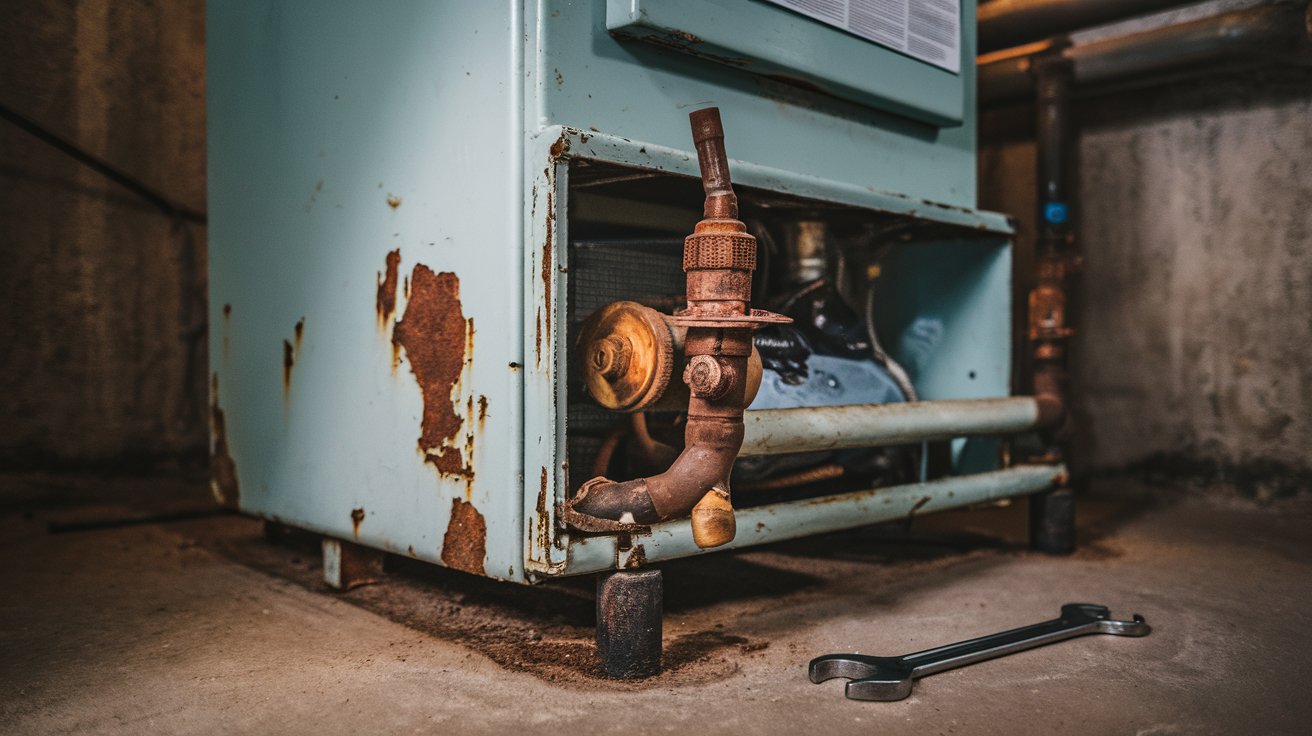
For many homeowners, furnace maintenance is often overlooked, as it sends subtle distress signals long before it breaks down completely. Ignoring these hidden signs can lead to costly repairs, dangerous situations, or a complete system failure on the coldest night of the year. Learning to recognize these less obvious cues is key to proactive home maintenance.
1. Unexplained Spike in Heating Bills
Despite similar usage patterns and weather conditions, your furnace is likely losing its efficiency due to a dirty filter that restricts airflow, a failing component that causes the system to run longer, or a cracked heat exchanger. Addressing this early can restore efficiency and prevent further financial drain.
2. Short Cycling
Short cycling is when your furnace turns on and off more frequently than it should, never completing a full heating cycle. This is not only inefficient but also puts excessive wear on components.
You might notice the furnace kicking on every 5 to 10 minutes, then shutting off shortly after. An overheating furnace can occur due to a clogged filter, an oversized unit, or a faulty flame sensor. This constant stopping and starting is a clear indication of a problem and requires diagnosis by a technician to prevent further damage.
When dealing with persistent short-cycling or any of these hidden issues, seeking out reliable furnace repair services is crucial. An experienced and certified technician can accurately diagnose the root cause, whether it’s a simple sensor cleaning or a more complex control board issue, ensuring your system runs in sustained, efficient cycles.
3. Strange Odors
A faint, dusty smell when you first turn on the furnace for the season is normal, as it’s simply burning off accumulated dust. However, persistent unusual odors are a hidden red flag.
A musty smell could indicate mold growth in your ductwork or on the evaporator coil. A metallic, “electric” burning odor might suggest an overheating component or wiring issue.
Most dangerously, the smell of rotten eggs indicates a potential natural gas leak, which requires you to shut off the gas immediately, evacuate the area, and contact your utility company. Any persistent, unusual smell warrants a professional investigation.
4. Excessive Dust or Dry Air
Have you noticed that you’re dusting more frequently, or that your family is experiencing increased static shocks, dry throats, or irritated sinuses? Your furnace might be the culprit. A cracked heat exchanger can pull in air from surrounding cavities and blow dust and debris throughout your home.
Additionally, if your humidifier is integrated with your HVAC system and isn’t functioning properly, or if the system is running inefficiently, it can severely dry out the air in your home. This degraded air quality is a hidden side effect of a furnace needing service.
5. Unusual Sounds
All furnaces have a standard operational soundtrack: the whoosh of air, the click of the ignitor, the hum of the blower. New, unusual noises are hidden audio signals of trouble.
- Scraping or screeching often indicates a metal-on-metal issue, such as a failing blower wheel or motor bearings.
- Rumbling can signal a dirty burner or, in older furnaces, a crack in the heat exchanger.
- Booming or loud delayed ignitions is a dangerous situation where gas builds up before igniting, causing a small explosion in the combustion chamber.
- Constant clicking could point to a failing control or a relay issue.
When you notice any of these strange sounds the first time, schedule a professional inspection to prevent disruptive breakdowns and protects your investment in home comfort and safety.
6. Pilot Light Color Change
If you have an old furnace with a standing pilot light, its color is a vital health indicator. A healthy pilot light should burn a steady, bright blue.
Meanwhile, a flickering or yellow/orange flame suggests an improper fuel-to-air ratio, often due to a dirty orifice or a draft issue. This can result in incomplete combustion.
7. Visible Signs of Soot or Rust
Take a peek inside your furnace compartment (when the system is off). Do you see black, sooty marks around the burner assembly or on internal components? This indicates incomplete fuel combustion, a serious issue that increases the risk of carbon monoxide.
Similarly, rust on the heat exchanger, flue pipes, or even on the exterior of the unit can signal moisture problems, age, or cracks. These visual markers are often overlooked but are clear evidence of internal distress.
8. Inconsistent Heating and Cold Spots
If some rooms in your house feel like a sauna while others resemble an icebox, your furnace might be struggling. While this could be a ductwork or balancing issue, it can also point to a furnace that can’t maintain consistent output or a failing component that prevents it from reaching its full heating capacity. The furnace may be running, but it’s not performing its job effectively.
9. Extended Runtime
If your furnace runs almost constantly yet struggles to reach or maintain the thermostat’s set temperature, it’s a hidden sign of a serious problem. This could be caused by a failing component, like a weak blower motor, or a system that is severely undersized or has lost efficiency due to age and wear.
Unlike short cycling, this symptom indicates the furnace is working overtime but failing to achieve its goal, putting immense strain on the system and drastically increasing energy consumption. This is a clear indication that a professional diagnosis is necessary.
10. The Age of Your Unit
A furnace can last up to 15 to 20 years when properly maintained and serviced. As your system approaches or exceeds this range, its efficiency declines dramatically, and the likelihood of frequent, costly repairs increases significantly.
An aging furnace, even if it’s currently running, is a hidden time bomb for your comfort and budget. A professional provides an honest assessment of whether repair or replacement is the more prudent course of action.
The Bottom Line
Furnace is a complex appliance designed for safety and efficiency, but it doesn’t last forever. Ignoring its subtle, hidden cries for help can transform a minor, affordable repair into a major emergency. Proactive attention is about safety, financial prudence, and peace of mind. The most important step you can take is to schedule annual professional maintenance.
