

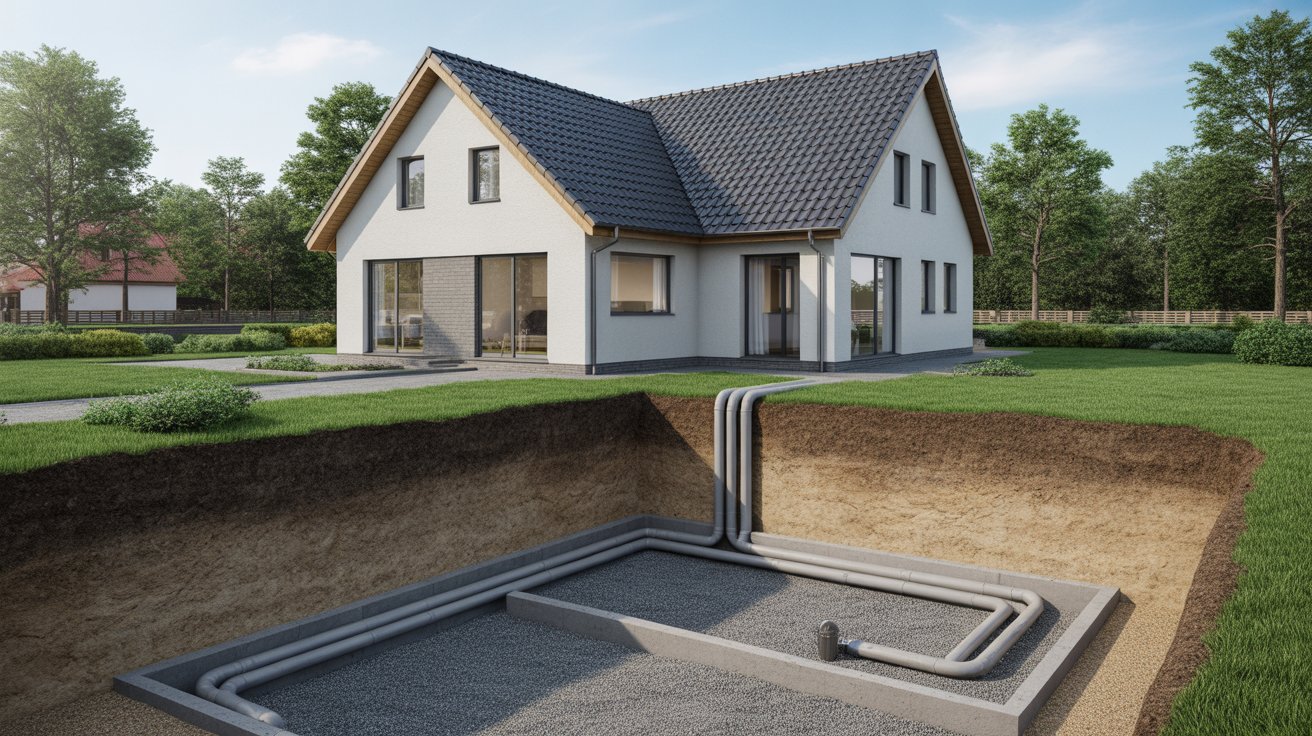
Home improvement is commonly associated with visual upgrades such as renovated kitchens, modern bathrooms, or updated flooring. While these changes certainly improve a home’s appearance, they represent only one part of what makes a property truly functional and valuable. Behind every successful home improvement project lies a critical layer of civil engineering that determines how well the home performs over time. Grading, access planning, and infrastructure development are foundational elements that influence safety, durability, and long-term value.
As homeowners become more informed about issues like drainage problems, uneven land, or limited site access, the importance of professional civil engineering becomes clearer. This is particularly relevant in fast-growing residential markets, where development must align with environmental conditions and local regulations. In these situations, working with experienced providers of land development services in Orlando helps ensure that home improvement projects are built on solid technical foundations rather than short-term fixes.
The role of civil engineering in modern home improvement
Civil engineering focuses on how land, structures, and natural forces interact. In residential settings, it ensures that homes are supported by stable ground, managed water flow, and reliable access systems. Without these considerations, even high-end renovations can suffer from long-term issues that affect livability and resale value.
Many common home problems can be traced back to overlooked engineering factors, including:
- Water intrusion in basements or crawl spaces
- Cracked foundations or settling structures
- Driveways that deteriorate quickly or collect standing water
- Poor drainage that damages landscaping
By addressing these elements early, homeowners reduce the risk of expensive repairs and improve overall property performance.
Why proper grading is essential for residential stability
Grading refers to shaping the land to control how water moves across a property. Proper grading directs water away from buildings, reduces erosion, and creates level surfaces for construction and outdoor use. It is one of the most important steps in any home improvement or renovation project.
When grading is done incorrectly, water often flows toward the home instead of away from it. Over time, this can lead to moisture buildup around the foundation, increased hydrostatic pressure, and eventual structural damage. These problems are especially common in areas with frequent rainfall or flat terrain.
Professional grading considers multiple technical factors, such as:
- Soil composition and load-bearing capacity
- Natural elevation changes across the site
- Existing drainage paths and runoff behavior
- Local climate and rainfall intensity
Access planning and its impact on safety and usability
Access planning plays a major role in how a home functions on a daily basis. This includes driveways, walkways, entry points, and connections to public roads. Well-designed access improves convenience, enhances safety, and supports long-term durability.
Poor access design can result in issues such as slippery driveways, limited visibility at entrances, or water pooling on paved surfaces. These conditions increase the risk of accidents and accelerate surface deterioration. Proper planning addresses slope, surface materials, drainage, and alignment to ensure reliable access in all weather conditions.
In residential developments, access must also comply with municipal standards and zoning requirements. Civil engineers work within these frameworks to create access solutions that are both compliant and practical, benefiting individual homeowners and the surrounding community.
Infrastructure is the unseen support system of the home
Infrastructure includes the systems that support everyday living but often go unnoticed until something goes wrong. These systems include stormwater drainage, utility connections, soil stabilization, and site preparation measures. Together, they form the backbone of residential performance.
One of the most critical infrastructure elements is stormwater management. Without proper systems in place, heavy rainfall can overwhelm a property, leading to flooding, erosion, and damage to nearby homes. Modern engineering approaches focus on managing water efficiently through controlled runoff and on-site retention solutions.
Key infrastructure considerations in residential improvement include:
- Drainage capacity during peak rainfall events
- Long-term durability of underground systems
- Compatibility with existing utilities
- Flexibility for future upgrades or expansions
Strategic infrastructure planning reduces maintenance costs and supports future improvements without disruption.
Civil engineering and long-term property value
Many homeowners invest in renovations to increase resale value, but lasting returns depend on more than visual appeal. Buyers are increasingly aware of underlying conditions such as drainage quality, access safety, and site stability. Homes with unresolved engineering issues often struggle to compete, regardless of interior finishes.
Civil engineering improvements add value by reducing risk and increasing reliability. A property with proper grading, functional access, and modern infrastructure offers lower maintenance costs and greater peace of mind. These qualities contribute directly to buyer confidence and marketability.
In regions with complex environmental factors, professional guidance is especially important. Homeowners frequently rely on specialized land development services in Orlando to address local soil conditions, weather patterns, and regulatory requirements. These tailored solutions help ensure that improvements meet both technical standards and market expectations.
Integrating engineering with design and lifestyle goals
Civil engineering is sometimes seen as a limitation on creativity, but in reality, it enables better design outcomes. When engineering considerations are integrated with architectural and landscape planning, the result is a more cohesive and resilient living environment.
Outdoor spaces provide a clear example of this integration. Features such as patios, gardens, and recreational areas depend on stable surfaces and effective drainage. Without proper engineering, these spaces may deteriorate quickly or become unusable after heavy rain.
By coordinating engineering and design efforts, homeowners achieve spaces that:
- Respond naturally to the land
- Require less ongoing maintenance
- Remain functional across changing seasons
This approach leads to home improvements that are both attractive and durable.
Planning smarter home improvements from the beginning
Successful home improvement starts with informed planning. Before construction begins, homeowners should evaluate grading conditions, access layouts, and infrastructure capacity. Identifying potential challenges early allows for proactive solutions rather than reactive repairs.
Working with professionals who understand local development standards is essential. Engineering solutions must be site-specific to be effective, as soil behavior, drainage patterns, and regulatory requirements vary widely.
Ultimately, the civil engineering side of home improvement is about foresight and sustainability. By focusing on grading, access, and infrastructure, homeowners create improvements that support daily life, protect long-term investments, and enhance property value.
Home improvement is not only about what is visible. It is about the systems beneath the surface that quietly support the home every day. When civil engineering is done correctly, it provides a strong foundation for every other upgrade, ensuring that improvements last and perform as intended.
