

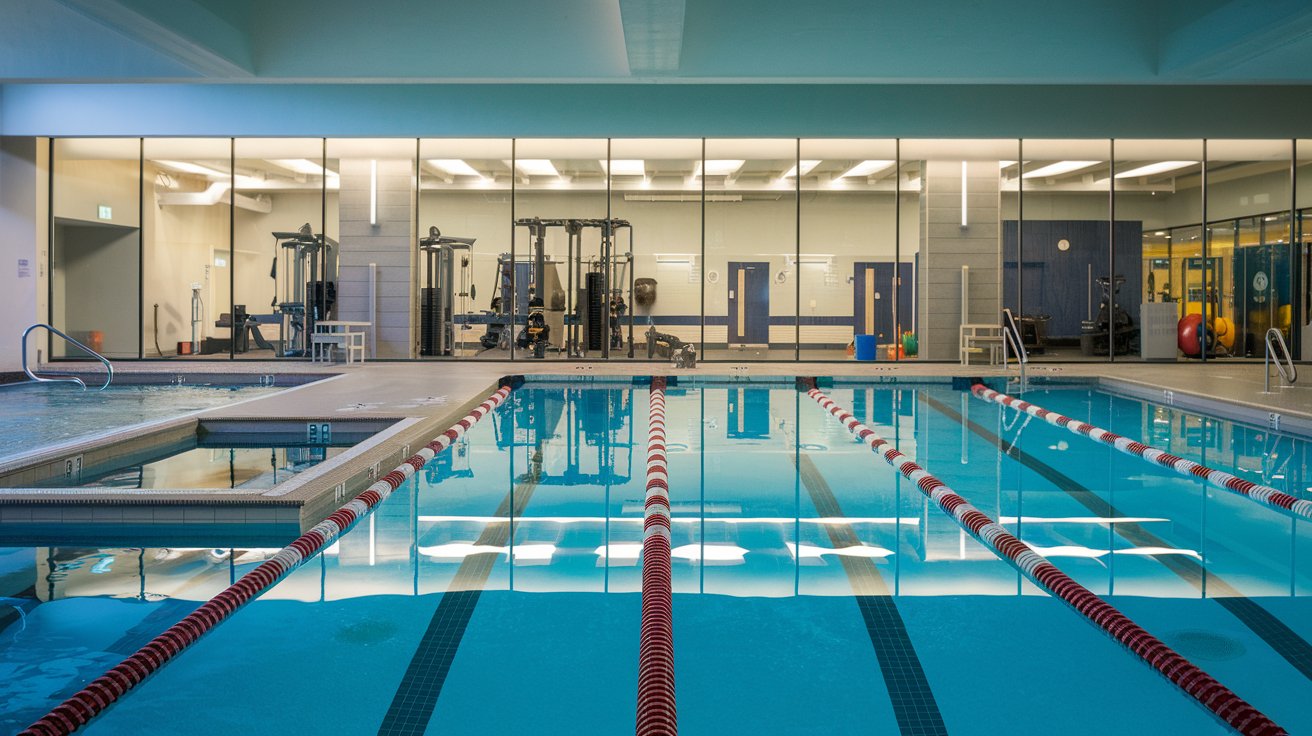
For many homeowners, a pool is more than a place to relax. It can be a powerful tool for fitness, calorie burn, injury recovery, and improved mental health. Swim workouts are low-impact and easy on joints, making them appealing for people of all ages and abilities. If you are thinking about building a pool and want it to support your fitness goals, a lap lane integration could be the perfect solution. It combines the benefits of a personal fitness facility with the enjoyment and convenience of a backyard oasis.
Why a Lap Lane Makes a Difference for Training Success
A lap lane transforms a typical backyard pool into a dedicated training space. If you have ever tried swimming laps in a traditional-shaped pool, you know how frustrating it can be. You turn too often. You bump into toys, people, or pool steps. By integrating a lap lane directly into the design, you gain consistent, uninterrupted distance.
Lap lanes promote intentional movement, reinforcing endurance and technique. Swimmers do not need to worry about drifting sideways or navigating tight corners. The structure itself encourages productive use of time in the water. Even if you only have twenty minutes, you can focus on your workout instead of fighting the layout. The convenience of stepping into a personal fitness lane is motivating, especially on days when it feels easier to skip exercise.
Choosing the Right Pool Shape for Lap Training
Rectangular pools are the most common choice for lap lanes because they offer long, straight lines. If your yard allows for it, a pool length of at least 40 feet feels ideal for dedicated lap training. If space is limited, even a 30 foot lane can work well as long as it is consistent in width and depth.
However, rectangular pools are not the only option. Many homeowners prefer freeform shapes for aesthetics. In that case, a lap lane can be integrated along one side of a curved design. The key is ensuring that the lane area remains straight and unobstructed. Your pool designer can outline the lane using interior tile markers or a different interior finish color. This gives swimmers a visual guide and also creates a subtle design accent.
Depth and Width: What Fitness Swimmers Need
When planning the layout, think about depth first. A depth range of four to five feet is ideal for lap swimming. It keeps the swimmer secure without feeling too shallow or vulnerable. Deeper water may be necessary if you plan to practice diving starts, but in most fitness-focused pools, a consistent depth is easier to work with.
Lap lane width should generally be between six and eight feet. Anything narrower feels restrictive, especially during stroke rotations. If the pool will be shared by multiple swimmers at once, consider an eight to ten-foot width. A wider lane allows for two people to swim side by side, creating a social yet productive environment. Some homeowners even choose dual lanes so each swimmer can focus on their own pace.
Features That Boost Training Power
Certain pool features can take your lap workouts from good to exceptional. A few favorites include:
- Swim jets or current system: These devices create resistance, allowing you to swim continuously without turning around. Perfect for smaller yards.
- Underwater LED markers: Visual guides help you maintain straight strokes and improve form.
- Heated water: Warmer water encourages daily use and supports mobility for post-workout recovery.
- Grab rails and ladder placement: Planning entry points around the corners keeps the lane completely open.
Adding a swim current creates a functional training tool similar to a treadmill. Many current systems are adjustable, so you can increase resistance over time. The progression helps maintain motivation and makes your pool workout feel structured.
Balancing Fitness with Lifestyle and Relaxation
The best lap lane designs blend fitness performance with aesthetics. Even if your primary goal includes training, your pool should still feel like a place to unwind. Consider incorporating a shallow sun shelf or lounge area adjacent to the lane. This creates two distinct zones: one for movement and one for leisure.
Families often appreciate the ability to have both. Someone can enjoy the spa or sit on the tanning ledge while another swimmer is doing interval training. It encourages more frequent use of the pool by everyone, not just the fitness enthusiasts.
If privacy is important during workouts, surrounding landscaping can create natural visual buffers. Tall grasses, bamboo, or decorative screens help you focus on your swim without feeling on display.
Working With Your Space Instead of Against It
One of the biggest misconceptions is that a lap lane requires a massive yard. Modern design strategies make lap lane integrations achievable even in narrow or uniquely shaped spaces. Designers often tuck a lane along a property line or angle it to maximize usable length. If space is very tight, a resistance current system provides a strong workout in a compact footprint.
Do not rule out a lap pool simply because your yard is not large. A well-planned layout can surprise you.
A Backyard Pool That Works as Hard as You Do
A lap lane pool invites movement, routine, and personal challenge. Instead of driving to a gym or sharing lanes with strangers, you can swim in the comfort and calm of your own backyard. Whether your goal is endurance, weight loss, injury recovery, or stress relief, a lap lane design supports your progress while still giving you a beautiful place to unwind.
You do not have to choose between function and style. With thoughtful planning, your pool can be both a training asset and a luxurious retreat. If you are looking for help with pool construction in Greenville, there are contractors who can help. A lap lane integration turns a standard backyard pool into a centerpiece of wellness, fitness, and daily enjoyment.
