

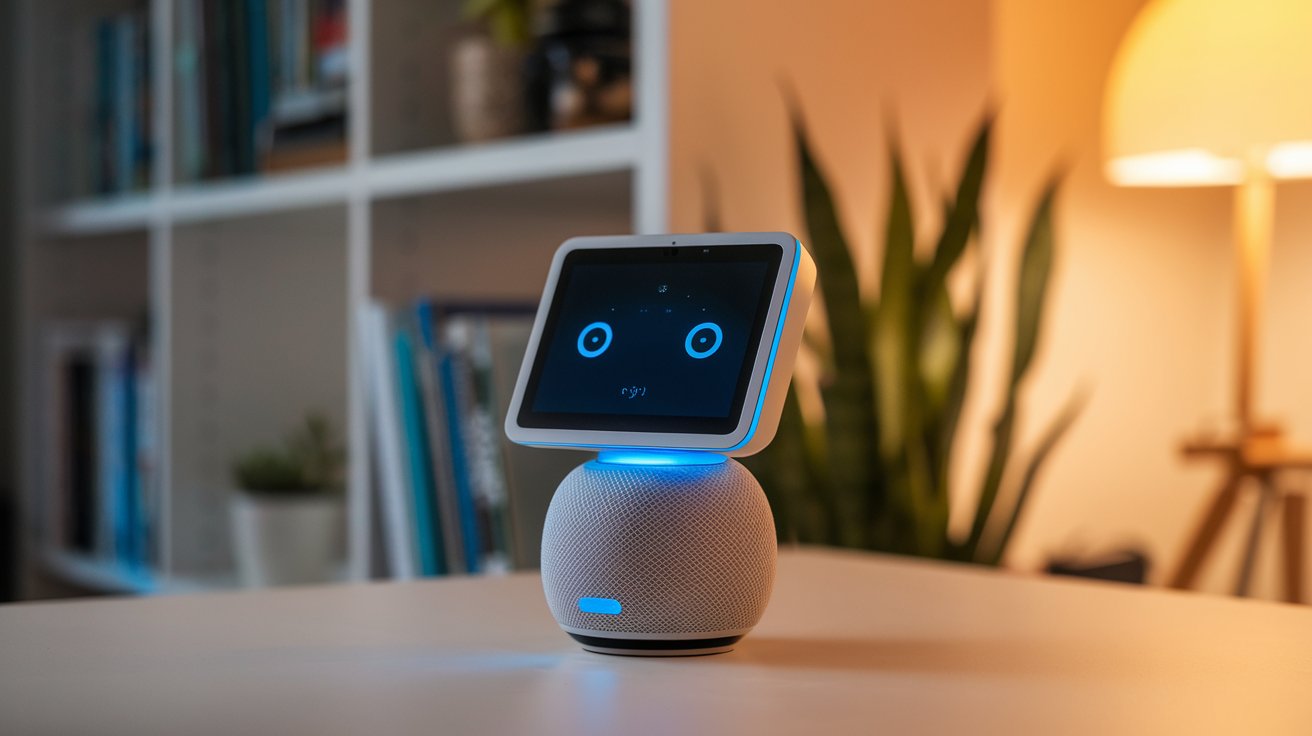
These days, people in residential communities come from different states and countries also. They speak different languages, bring their own traditions, and adopt a ton of variety to the neighborhood. When people speak different languages, even a small update from the property manager or a quick safety alert can feel confusing. Something that should be easy suddenly becomes stressful. Multilingual voice assistants remove that pressure. They help everyone understand messages clearly and feel comfortable in the community.
Why Multilingual Voice Assistants Fit Naturally Into Community Living
You get updates about the water supply, friendly reminders to fix things, invites to events, and those quick safety alerts. When these messages come in a language you really get, life just runs easier.
A voice assistant helps people who prefer listening to information instead of reading it. It also supports families with older parents who may not follow written English well. With one simple voice interface, the entire community stays in sync.
Here are a few examples many communities relate to:
- A new resident receives a welcome message in their mother tongue.
- Seniors get spoken reminders for bill payments or safety checks.
- Busy parents listen to maintenance updates while doing household work.
How These Assistants Improve Daily Life
A multilingual voice system does more than translate. It creates clarity of voice when misunderstandings usually happen. Timely providing easy to understand information naturally builds trust between residents and management teams.
Some of the most noticeable benefits include:
- Clear explanations without language confusion.
- More independence for residents who struggle with written communication.
- Better coordination when urgent announcements need to reach everyone.
- A friendlier, more inclusive environment for new families.
Everyday Uses That Make a Real Difference
You can integrate multilingual voice interactions into many small moments inside a community:
- Visitor entry updates sent in multiple languages.
- Instructions for using shared appliances like laundry rooms, gym equipment, etc.
- Announcements for community party, event celebrations and clean-up drives.
- Simple alerts when parcels arrive at the lobby.
Technology Behind These Voice Experiences
Behind a smooth voice interaction is a voice model that understands accents, handles noise, and responds quickly. Communities rely on assistants that sound natural and deliver information without delay.
Murf Falcon helps teams create these clear, real-time voice outputs. When community managers explore this technology, they look for responsiveness and a voice tone that feels comfortable for everyday communication.
Modern voice assistants depend on a few important qualities:
- Quick replies that feel conversational.
- Support for different languages and dialects.
- Clear audio even in noisy surroundings.
- Natural tone variations that sound friendly, not robotic.
What Makes a Voice Assistant Reliable for Residential Use
Residents need a voice assistant they can trust. That means the voice must sound consistent, easy to understand, and adaptable to different daily situations.
Reliable systems usually offer:
- Strong accuracy across multiple accents.
- Smooth voice playback on mobile devices and in shared spaces.
- The ability to deliver both casual and important updates.
- Stable performance even during busy hours.
Some managers also prefer using Murf Falcon during setup because it helps create natural voice flows that people can understand without effort. Its clarity helps bridge language gaps inside diverse communities.
5 Understand to Introduce Multilingual Voice Assistants in a Residential Setting
Rolling out a voice assistant does not have to be complicated. Communities often do it in small easy steps so residents can adjust comfortably.
Step 1: Understand Which Languages Residents Use
Start by listing the most common languages spoken across apartments. Pay attention to languages preferred by seniors and new families.
Step 2: Identify Daily Communication Points
Look at the places where voice support can reduce confusion, such as:
- Emergency alerts
- Maintenance schedules
- Community gathering reminders
- Move-in walkthroughs
- Package and visitor updates
Step 3: Select a Suitable Voice Model
Choose the best model that delivers natural sounding audio and supports multiple languages clearly. Avoid anything that sounds stiff, artificial because residents interact with it daily.
Step 4: Run Practical Tests
Try the assistant in different environments like hallways, lobbies and mobile apps. See how well the voice carries and whether residents understand every sentence clearly.
Step 5: Launch Gradually
Start with a small group of residents. Ask them what felt clear, what felt rushed, and which languages they want to hear more often. Adjust the system before rolling it out to everyone.
Why Community Management Teams Benefit
For property managers, day-to-day communication can become overwhelming. They answer repeated questions, send out the same reminders, and manage confusion during emergencies. A multilingual voice assistant reduces their workload significantly.
It helps with:
- Fewer repeated inquiries.
- Smoother move-in processes.
- Faster delivery of announcements.
- Higher participation in community programs.
A Stronger Sense of Belonging
When people get any notification, updates, notification in their language they actually understand, they feel like they’re part of things. It’s a small thing, but it makes a difference in human touch. When communication feels clear and familiar, people are more willing to join community events, follow guidelines, and support their neighbors.
The Future Holds for Residential Voice Technology
Residential tech is moving toward deeper personalization. Soon, voice assistants may offer community polls, neighborhood updates, and interactive help during shared events. We may even see assistants that adjust tone depending on the mood of the announcement, making communication feel even more human.
Real-time voice translation during group activities could make multicultural interactions smoother than ever.
Conclusion
Multilingual voice assistants bring simplicity to diverse residential communities. They close communication gaps, ease everyday routines, and support residents with clear, friendly voice guidance. As neighborhoods continue to grow more multicultural, these assistants help everyone feel welcome and informed.
