

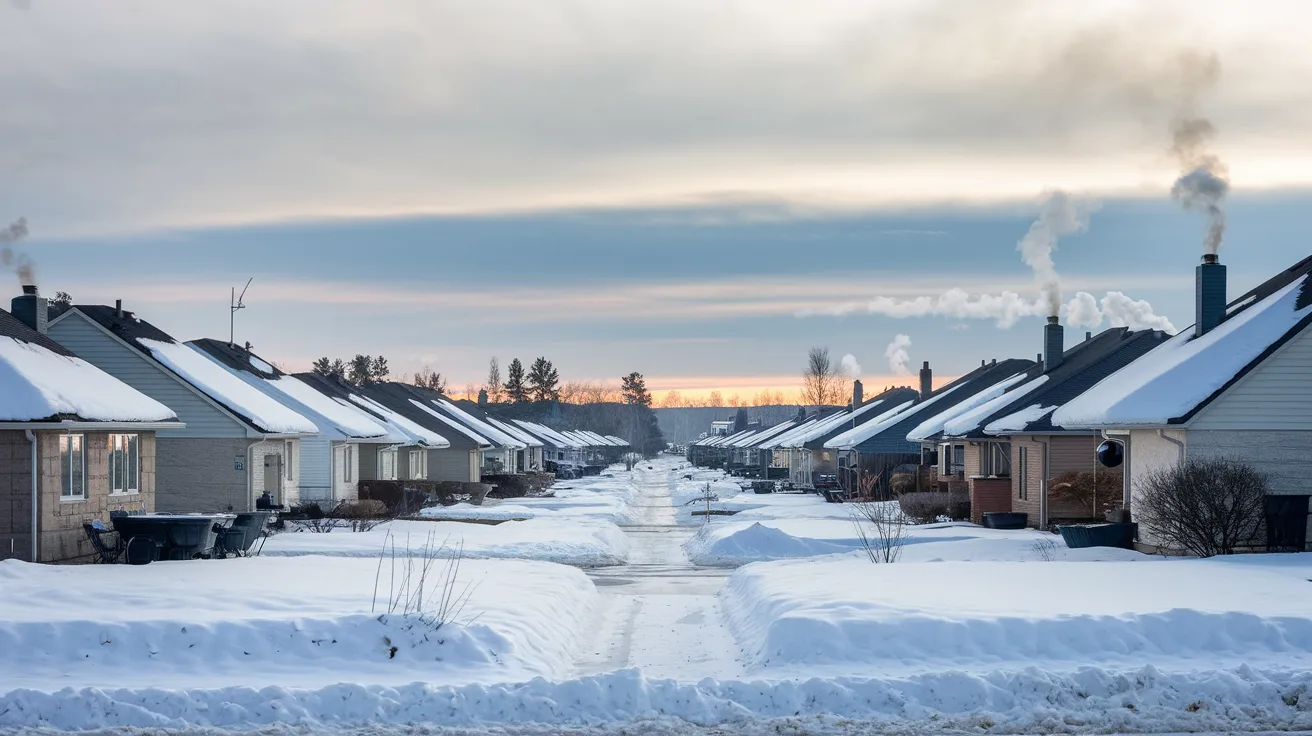
Midwest winters are known for their unpredictability. One week may bring mild temperatures, while the next delivers subzero cold, high winds, and heavy snowfall. These extreme and fluctuating conditions don’t just affect daily comfort—they place significant stress on home heating systems, especially furnaces that are already aging or poorly maintained.
Understanding how Midwest winters impact heating equipment can help homeowners prevent breakdowns, reduce energy costs, and avoid unexpected emergencies during the coldest months of the year.
Extreme Cold Forces Furnaces to Work Overtime
When temperatures drop well below freezing, furnaces must run longer and cycle more frequently to maintain indoor comfort. In the Midwest, cold snaps can last days or even weeks, leaving little downtime for heating systems to recover.
This constant operation increases wear on critical components such as:
- Blower motors
- Heat exchangers
- Igniters and burners
Over time, even minor issues can escalate into major failures, often leading homeowners to require emergency furnace repair in Carmel and surrounding areas during peak winter demand.
Rapid Temperature Swings Stress System Components
Unlike regions with consistent winter temperatures, the Midwest often experiences dramatic temperature changes within short periods. These swings cause furnace components to repeatedly expand and contract, which can loosen electrical connections, strain metal parts, and accelerate overall system fatigue.
Homeowners may notice symptoms such as uneven heating, strange noises, or short cycling—early warning signs that the system is under stress.
Older Homes Face Additional Heating Challenges
Many Midwest homes were built decades ago and may lack modern insulation or duct sealing. As a result, furnaces in these homes must work harder to compensate for heat loss through walls, windows, and ductwork.
This added workload not only increases energy bills but also raises the likelihood of mid-winter system failures. When a furnace breaks down during extreme cold, fast professional attention becomes critical to protect both comfort and safety.
Neglected Maintenance Increases Winter Breakdown Risk
Routine furnace maintenance is often overlooked until something goes wrong. Dirty filters, worn belts, and minor airflow restrictions may seem insignificant, but during Midwest winters, these small issues can quickly lead to system shutdowns.
Why Preparation Matters Before Winter Hits
Taking proactive steps before winter arrives can significantly reduce strain on heating systems. Simple actions such as replacing air filters, sealing air leaks, and scheduling professional inspections help furnaces operate more efficiently under harsh conditions.
Preparation not only extends equipment lifespan but also minimizes the risk of sudden breakdowns when reliable heat is most essential.
Final Thoughts
Midwest winters are tough, and home heating systems feel the impact more than most homeowners realize. From extreme cold and temperature swings to older home construction and delayed maintenance, multiple factors contribute to increased furnace strain.
Staying informed and addressing small issues early can help homeowners avoid costly repairs and uncomfortable emergencies. When problems do arise, working with a qualified HVAC professional ensures heating systems are restored safely and efficiently—even in the harshest winter conditions.
