

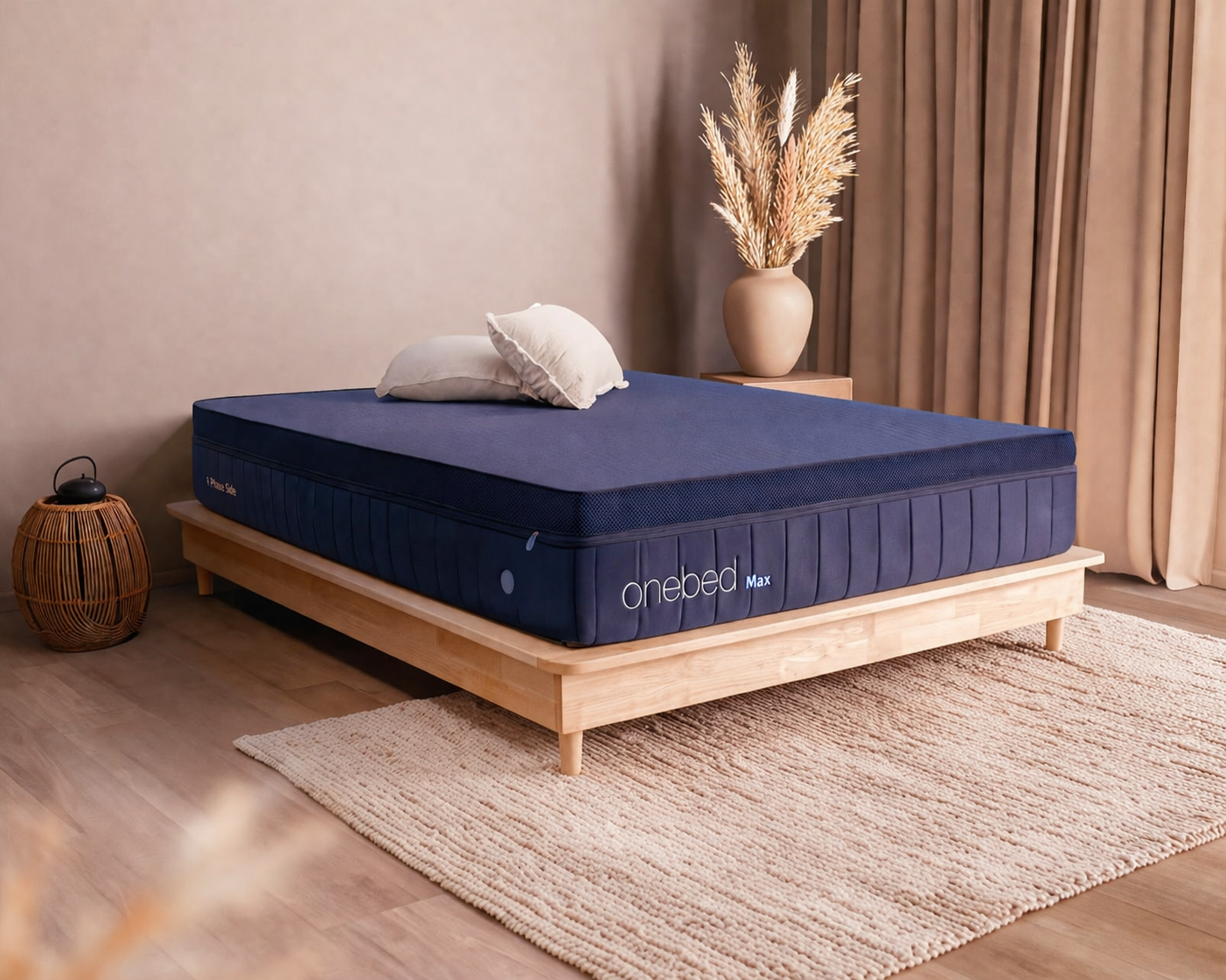
If you sleep on your back, you already know how sensitive your body is to the wrong support. One small mismatch in your mattress can lead to stiffness, tension, or that dull lower back ache that follows you all day.
Choosing the right mattress for back sleeper needs isn’t just about comfort. It’s about how well your spine stays aligned through the night. If your mattress fails at that, your sleep quality drops, even if you don’t notice it right away.
You Sleep on Your Back But Still Wake Up Sore. Here’s Why
Most people assume back sleeping is the healthiest position, and it often is. But that only works if your mattress supports your natural curve. Without proper support, your hips sink too deep or your lower back lifts slightly. That gap creates tension over hours of sleep.
According to Sleep Health Foundation, proper sleep posture plays a key role in reducing discomfort and improving rest quality. When your mattress fails to support that posture, your body compensates. That’s where the soreness begins.
You might not notice it immediately. It builds over time. A few bad nights turn into a pattern. Then suddenly, you’re waking up tired, even after a full night’s sleep.
The Real Job of a Mattress for Back Sleepers
A mattress isn’t just a soft surface. Its real job is to keep your spine in a neutral position. That means your head, shoulders, and hips stay aligned without strain.
Many people think firmer is always better. That’s not entirely true. Research in Sleep Medicine shows that overly firm surfaces can increase pressure on certain points, especially around the shoulders and tailbone.
What you actually need is balance. Enough firmness to support your lower back, and enough cushioning to reduce pressure. When both work together, your body relaxes fully.
Where Most Mattresses Go Wrong for Back Sleepers
A lot of mattresses fail in subtle ways. They feel fine at first, but don’t hold up through the night.
One common issue is excessive softness. When your hips sink too far, your spine curves unnaturally. Over time, this leads to discomfort. On the other side, mattresses that are too firm push against your body instead of supporting it.
Another problem is poor lumbar support. Your lower back has a natural inward curve. If your mattress doesn’t support that area, your muscles stay slightly engaged all night.
Experts from Australian Physiotherapy Association often highlight that poor sleep surfaces can contribute to ongoing back issues. It’s not always the cause, but it can make things worse.
The 3 Things Your Mattress Must Get Right
When I evaluate a mattress for back sleepers, I focus on three core factors. Miss one, and the whole experience changes.
- First is spinal alignment. Your body should rest in a straight, neutral line. No dipping, no arching. Just natural support.
- Second is pressure distribution. Your weight needs to spread evenly across the surface. This reduces stress on key points like your hips and shoulders.
- Third is consistent support. Some mattresses feel good initially but lose structure over time. That’s when problems start showing up after a few months.
These aren’t marketing features. They’re the basics that determine whether you wake up refreshed or sore.
How to Choose the Right Mattress Without Overthinking It
Choosing a mattress can feel overwhelming. Too many options, too many claims. The trick is to simplify your decision. Start with your pain points. Do you wake up with lower back pain? That usually points to poor support. If you feel pressure in your shoulders or hips, your mattress might be too firm.
Next, consider firmness. Most back sleepers do best with a medium-firm feel. It provides enough support without sacrificing comfort. Then look at materials. Memory foam contours to your body, while hybrid designs combine support with responsiveness.
According to National Sleep Foundation, material choice can influence both comfort and temperature regulation. Don’t overanalyze specs. Focus on how the mattress supports your body.
Memory Foam, Hybrid, or Something Else: What Actually Works
Each mattress type has its place. The key is understanding how it behaves under your body.
- Memory foam adapts closely to your shape. It’s great for reducing pressure but can feel warmer. Modern designs often include cooling features to fix that.
- Hybrid mattresses combine foam layers with springs. This gives you both contouring and support. They tend to feel more responsive, which some back sleepers prefer.
- Pocket spring mattresses offer solid support but may lack the contouring needed for pressure relief. They work best when combined with comfort layers.
There’s no universal best option. It depends on how your body responds. What matters is whether the mattress maintains alignment through the night.
If You Have Lower Back Pain, Read This Before You Buy
Lower back pain changes how you should approach mattress selection. It’s not just about comfort anymore. It’s about reducing strain.
Studies around Lower back pain often point to sleep surfaces as a contributing factor. A mattress that’s too soft can worsen the issue, while one that’s too firm can increase tension.
The goal is support with slight cushioning. Your lower back should feel supported, not pushed or left hanging. If you lie down and feel a gap under your lumbar area, that’s a problem. A good mattress won’t “fix” pain overnight, but it can remove one major source of strain.
What to Expect When You Switch to the Right Mattress
Switching to a better mattress doesn’t always feel perfect on the first night. Your body needs time to adjust. Most people notice improvement within a few days. For others, it can take a couple of weeks. Your muscles have adapted to your old mattress, even if it wasn’t ideal.
You might feel slight discomfort at first. That’s normal. It usually fades as your body settles into proper alignment. Once the adjustment period passes, the difference becomes clear. You wake up with less stiffness. Your sleep feels deeper.
Buying a Mattress in Australia Without Regret
Buying a mattress in Australia comes with a few specific considerations. Climate plays a role. Warmer conditions mean breathability matters more. Look for materials that allow airflow. This helps regulate temperature and improves comfort. Trial periods are also important. They give you time to test the mattress properly.
Many Australian brands now offer risk-free trials and warranties. According to CHOICE Australia, these policies help reduce the risk of making the wrong decision. Buying online has become more common. It’s convenient, and often more affordable. Just make sure the brand offers a clear return policy.
A Better Mattress Can Change How You Wake Up
It’s easy to underestimate how much your mattress affects your daily life. Sleep isn’t just about rest. It influences how you feel, think, and move.
When your body gets proper support, everything changes. You wake up with more energy. Your back feels less tense. Even your mood improves. This isn’t about luxury. It’s about giving your body what it needs to recover every night.
Find a Mattress That Supports How You Sleep
Not every mattress is built with back sleepers in mind. That’s why it helps to choose from a range designed for real support and comfort.
If you’re looking to upgrade, explore options that focus on spinal alignment, pressure relief, and long-term durability. You’ll find a range of designs tailored to different needs atonebed mattresses collections.
The right choice doesn’t feel complicated once you understand what your body needs.
Conclusion
Finding the right mattress isn’t about chasing trends or features. It’s about understanding how your body responds to support. If you sleep on your back, alignment is everything. Get that right, and your sleep improves naturally.
Ignore it, and discomfort builds over time. Take your time, choose carefully, and focus on what actually matters. Your body will tell you when you’ve made the right choice.
