

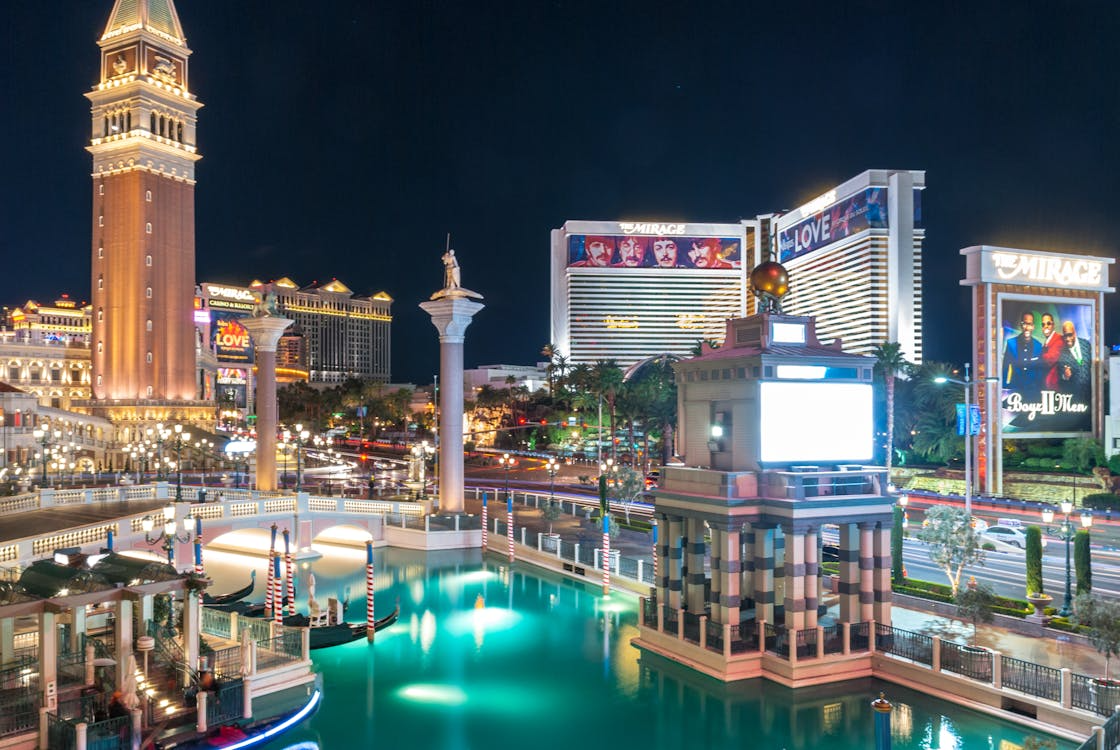
The development of a luxury casino transcends standard commercial construction. It is the orchestration of an immersive, high-stakes world where architecture, atmosphere, and operational intelligence converge. Every surface, sightline, and concealed system shapes a guest experience defined by seamless indulgence and precision.
Delivering this level of refinement requires a deeply integrated design-build approach where vision, engineering, and execution move as one from the start. This article explores why that unified model is essential for crafting a truly world-class casino environment.
Integrating Complex, Critical Systems
A luxury casino is a masterpiece of hidden complexity. Beneath its polished finishes lies an intricate network of critical systems. These encompass advanced surveillance, secure, cash-handling pathways, specialized gaming infrastructure, and environmental controls engineered for exceptional comfort and performance.
These systems must be woven into the design without compromising the aesthetic grandeur. A disjointed process in which design and construction are separate frequently leads to costly revisions or exposed conduits that shatter the meticulously crafted illusion of effortlessness.
Only a unified design-build team can anticipate and embed these systems with the precision they demand. Firms specializing in this niche, such as I-5 Design casino build, operate with a singular integrated mindset. Structural frameworks are conceived to cradle the building’s “nervous system,” ensuring that technology and security remain invisible yet omnipresent. Proactive coordination eliminates the pitfalls of value engineering that dilute design intent, preserving both the spectacle for the guest and the operational integrity for the owner.
Balancing Opulent Ambiance with Robust Functionality
Every material must perform double duty in a luxury casino. Surfaces must radiate opulence through rare stones, custom metals, and bespoke finishes. They must also withstand 24/7 use, subtle monitoring, and meticulous cleaning without ever diminishing their refined appearance. A floor pattern becomes a tool for intuitive guest flow. A sculptural ceiling doubles as a vessel for acoustic control, lighting precision, and integrated technology.
This balance requires a design-build team that is materially intelligent and has global supply chain fluency. The material should be sourced, tested, and validated, not just based on aesthetics but also on resilience to conditions specific to environments like low-light conditions, humidity-regulated areas, and high-traffic circulation paths. The construction phase then demands craftspeople skilled in installing these specialized materials to exacting standards of luxury casinos. The result is an environment that feels indulgent and resilient.
Navigating Operational Logistics and Phased Completion
A casino must launch as a fully operational ecosystem, unlike a hotel that can soft-open. This requires a sophisticated phasing strategy in which the kitchen, surveillance hub, and cashier vaults are completed and tested well before the first guest enters the gaming floor. Construction must often occur around installed and secured high-value equipment, demanding precise scheduling and exceptional site management and security.
Design-build teams thrive in this area since construction managers are integrated from the initial design stages. They can schedule the project to prioritize mission-critical areas, manage early vendor turnover, and ensure high-value equipment is installed and secured with precision. Systems are also tested in simulated real-world environments well before any guest arrives on the gaming floor. This coordinated approach ensures a grand opening where every system performs flawlessly from day one.
Incorporating Environmental Sustainability and Luxury
A modern luxury casino must now balance between lavishness and social awareness, which requires long-term planning and creativity from the outset. Sustainable principles can’t be treated as add-ons; rather, they should be ingrained in all design-related elements, ranging from energy efficiency to water management and material procurement, among other areas. Visitors are increasingly demanding a guilt-free indulgence, in which the grandeur does not come at a visible cost to the planet. This necessitates mechanisms that are both highly efficient and totally out of sight.
Designers must mix new green technology with classic style so that eco-friendly solutions enhance rather than dilute the sense of luxury. Achieving smooth collaboration requires a cohesive design-build team. Architects and engineers must plan together from the start, using green energy in ways that remain visually elegant.
Expert builders can find materials that are both green, durable, and high-quality. Incorporating these options into the building’s foundation reduces operational expenses. It establishes a brand identity based on responsible management while still maintaining the aesthetic charm of the environment.
Engineering for Psychological Engagement and Flow
In addition to the physical systems, the design of a luxury casino has to masterfully combine human movements and psychology. The design, lighting, sound, and even smell are so carefully designed to make guests feel excited yet relaxed.
This needs a deep knowledge of behavioral science translated into architectural structure, so that the visitor experience is intuitively rewarding and easily navigable enough to explore it without compromising operational security. The ultimate goal is to induce a state of flow, where guests become so pleasantly absorbed in the environment that time and distraction seem to fade. ‘
This seamless psychology journey is carefully engineered to maintain engagement. While subtly guiding behavior. Nuanced changes in sensory stimuli, such as alterations in ceiling height or scent, indicate shifts between areas. This maintains interest while avoiding exhaustion.
An uncoordinated design and building process risks producing a stunning yet psychologically inert space. A cohesive team, on the other hand, considers the psychological blueprint a fundamental project document. Light designers collaborate with architects in designing to create pools of intimacy that can also allow for oversight.
Acoustic designers work on developing an audio ambiance that excites and doesn’t end up overwhelming; space planners develop paths that encourage visitors toward amenities without resulting in congestion. This comprehensive management of the sensory environment elevates a building into an intriguing destination, where each element subtly affects mood and behavior, resulting in an engaging and ultimately lucrative atmosphere.
Endnote
Constructing a luxury casino requires combining extreme complexity with a sense of easy elegance. It requires an integrated, visionary, and uncompromising design-build philosophy. This cohesion elevates the property beyond a mere venue, shaping it into a living ecosystem where spectacle and utility blend seamlessly. The result is a successful business that represents innovation, resilience, and refined luxury.
