

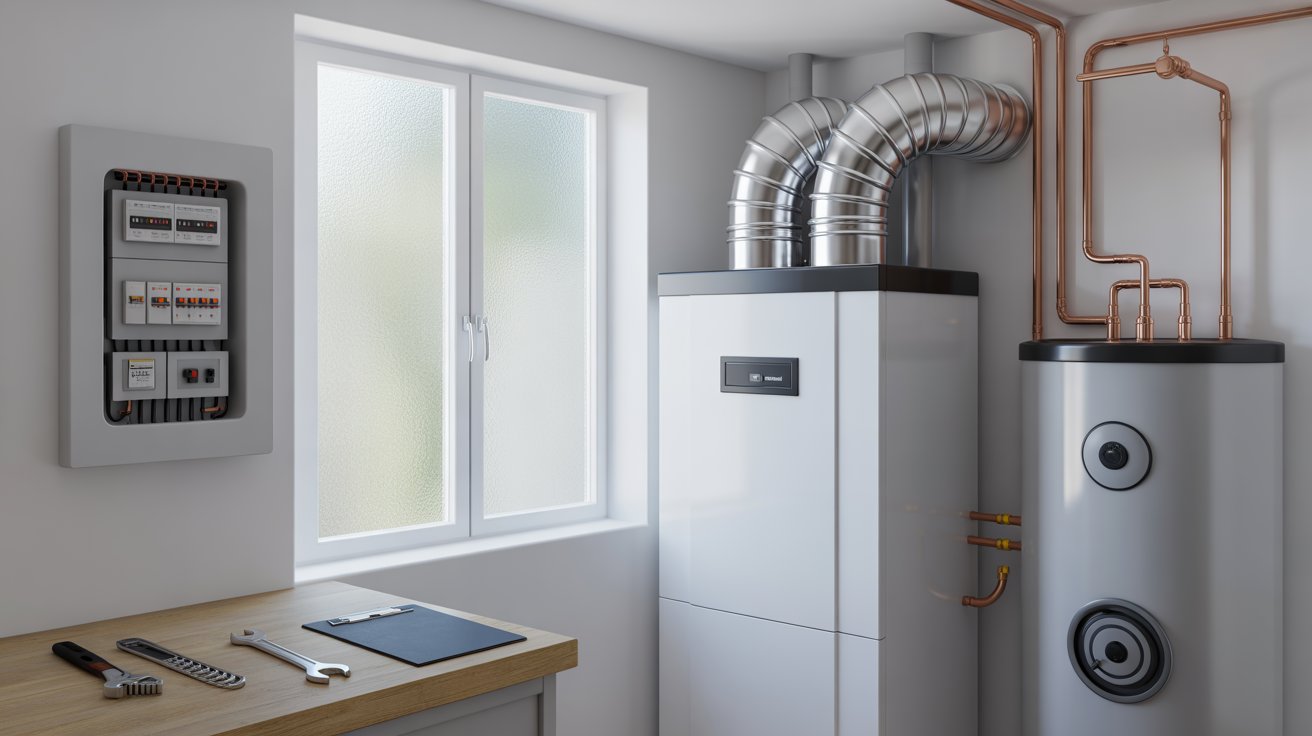
The Importance of Preventive Maintenance
Most homeowners do not give much thought to their home systems until something goes wrong. And when it does, it is often costly, inconvenient and stressful. Preventive care reverses that script. Instead of reacting to failures, you stay ahead of them. Industry statistics prove that routine preventive maintenance can save 20-40% of the life of major home systems and save up to 30% of unexpected repair expenses.
Your plumbing, electrical, and HVAC systems work hard every day. Neglecting them reduces their life. Maintaining them makes your home comfortable, efficient, and predictable all year round.
HVAC Systems: The Backbone of Home Comfort
One of the most costly parts of a home is the heating and cooling systems, and it is also the most vulnerable to negligence. According to the U.S. Department of Energy, dirty or poorly maintained HVAC systems may lose up to 15% of efficiency each year.
Regular checkups, replacement of filters and checking of airflow are easy measures that avoid significant failures. When you are looking to find a good HVAC specialist near me or something like that, it is not only about resolving the problems but also about identifying small inefficiencies before they turn into system-wide failures. Imagine it as routine car oil changes. You would not miss those and hope that the engine will last forever, right?
Plumbing and Electrical Systems: Unspoken but Essential
Plumbing and electrical systems are not given much attention until something goes wrong. A drip here or a loose fitting there might not be a big deal, but eventually, they can be disastrous. Indeed, according to insurance statistics, water damage is almost a quarter of all homeowner insurance claims.
Plumbing inspection annually assists in identifying corrosion, pressure problems, and concealed leaks. Preventive maintenance, in its turn, minimizes the risk of fire hazards- faulty wiring is the cause of more than 13% of residential fires in the U.S.
It is also one of the aspects where the collaboration with an experienced specialist can really help, particularly when the systems in the home are overlapping or influencing the performance of each other.
The Cost-Saving Power of Preventive Care
Preventive maintenance is not a cost, it is an investment. Research indicates that homeowners who adhere to a preventive care regimen incur 25-35% lower repair expenses in 10 years than those who do not. In addition to savings, there is peace of mind. No unexpected failures in heatwaves. No emergency calls during holidays.
Preventive care is also more energy efficient. Properly maintained systems consume less power, and this can reduce utility bills by 10-20% per year. That’s a win for both your wallet and the environment.
Preventive Care as a Habit
The key is consistency:
- Set reminders.
- Arrange yearly checkups.
- Replace filters on time.
- Collaborate with experts who are interested in long-term performance, rather than quick fixes.
Proactive maintenance of your systems means that they will last longer, perform better and fail less frequently. One of your largest investments is your home. The best way to guard preventive care against unwarranted stress and expenses is to treat it as a priority.
