

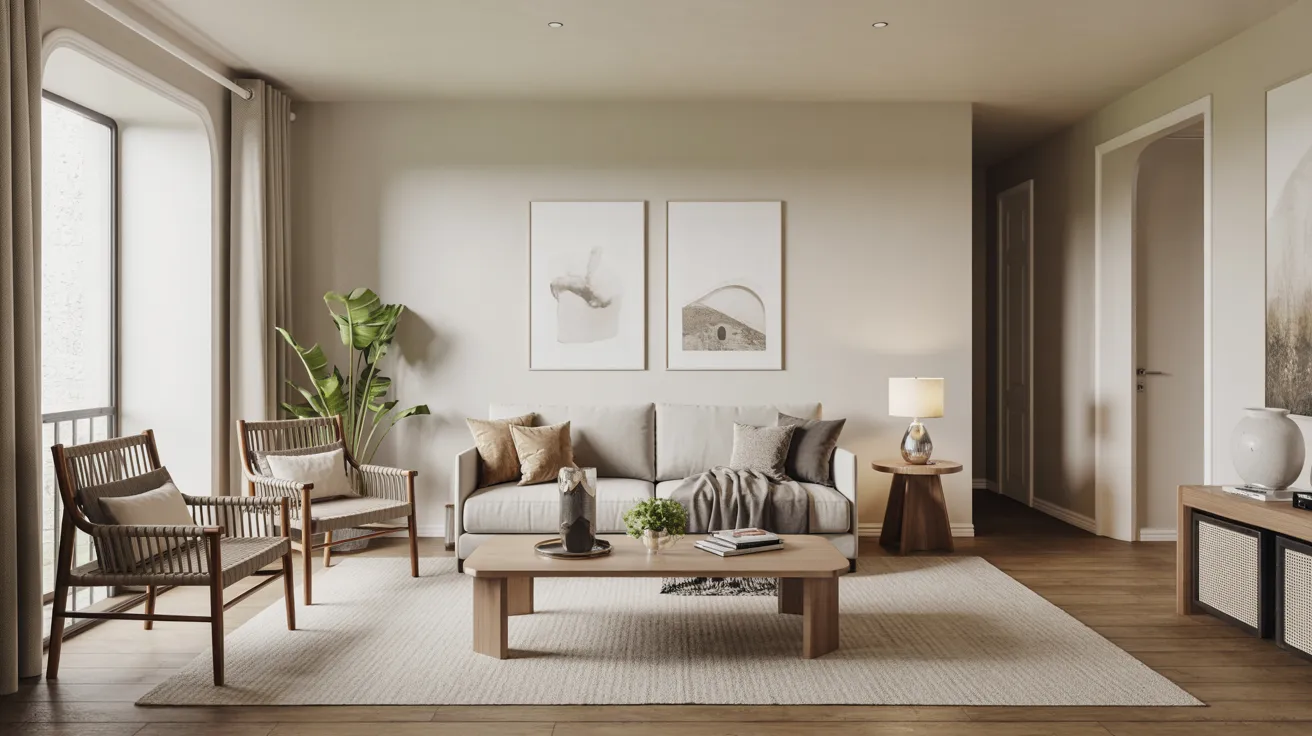
I’ve rearranged my living room at least a dozen times. Each time, I learned something new about how space actually works.
Your living room should feel spacious, not cramped. But when you’re dealing with odd dimensions or tight corners, finding the right setup feels impossible.
Here’s what I know after years of testing different living room layout ideas: the right arrangement changes everything. I’m sharing 17 strategies that work for rectangle awkward living room layout ideas, small living room layout ideas, and every tricky space in between.
Ready to make your room feel twice as big? Let’s go.
Why Living Room Layouts Matter
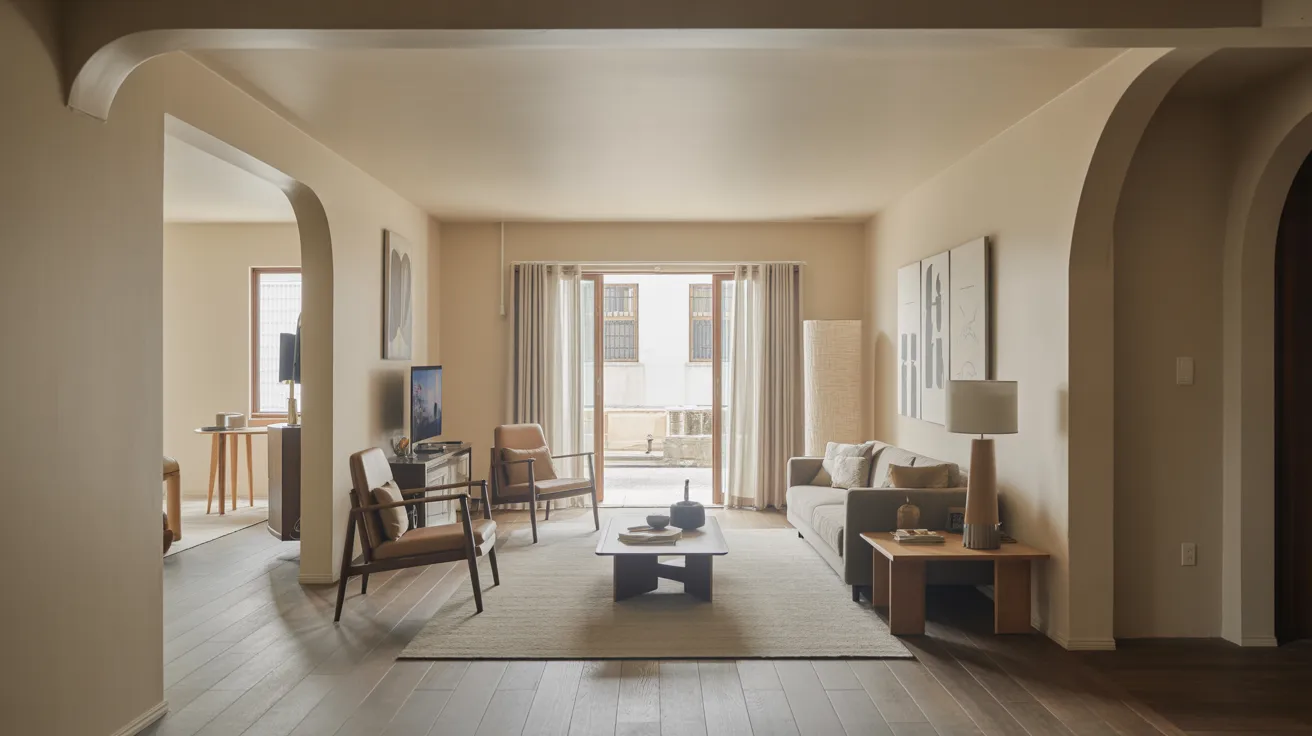
Layout isn’t the same as design. Design is about colors and styles. Layout is about how you move through the space.
A good layout makes your room feel bigger. It creates natural pathways. You can walk around without bumping into furniture.
Bad layout makes even large rooms feel crowded. You’ll know it when you feel it. The flow just feels off.
If you’re searching for awkward living room layout ideas, you’re probably dealing with odd corners or doorways in strange places.
For small living room layout ideas, the challenge is fitting everything without making it feel like a maze.
17 Living Room Layout Ideas
Here’s what’s worked for me and countless others. Pick what fits your space best.
1. The Classic Centered Sofa Layout
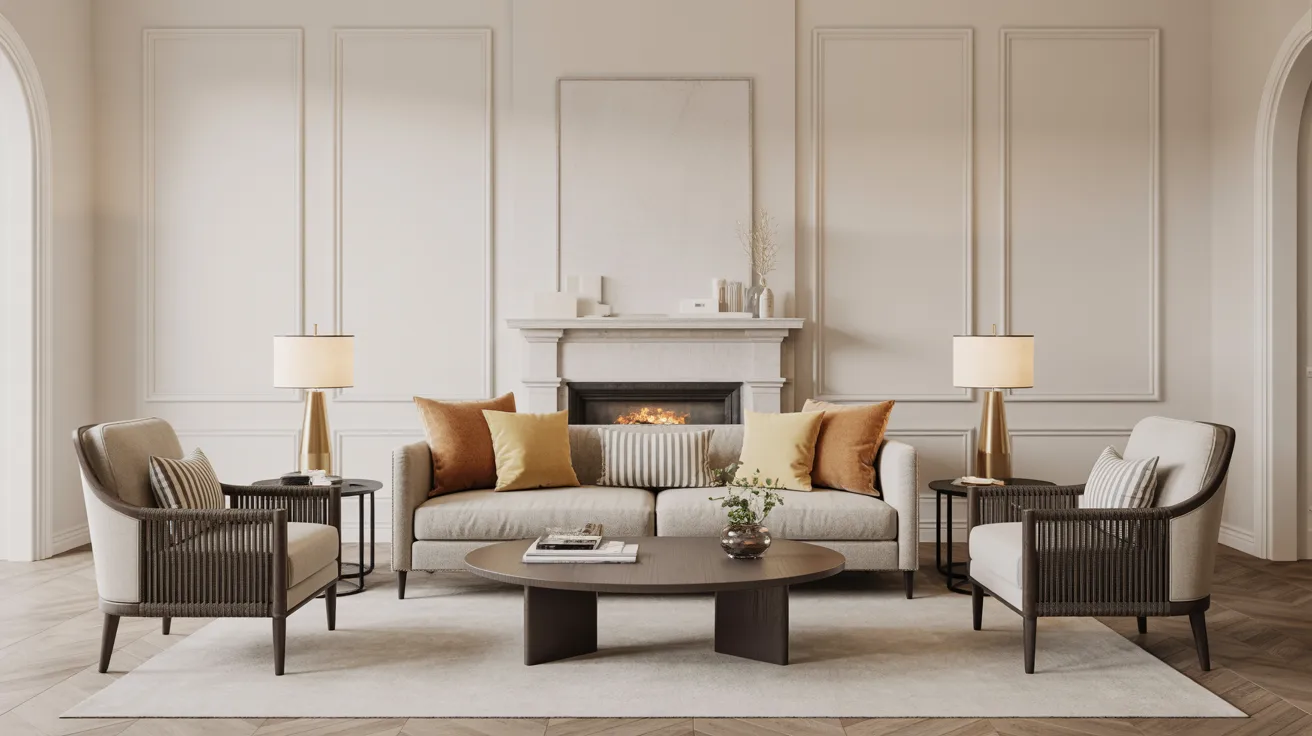
This is your starting point. Place your sofa against the main wall, facing the room’s focal point. Add two chairs on either side. Put a coffee table in the middle. Done.
It works because it’s simple. Everyone knows where to sit. The conversation flows naturally. This layout fits most standard rooms. No weird angles to figure out.
2. Floating Furniture Layout
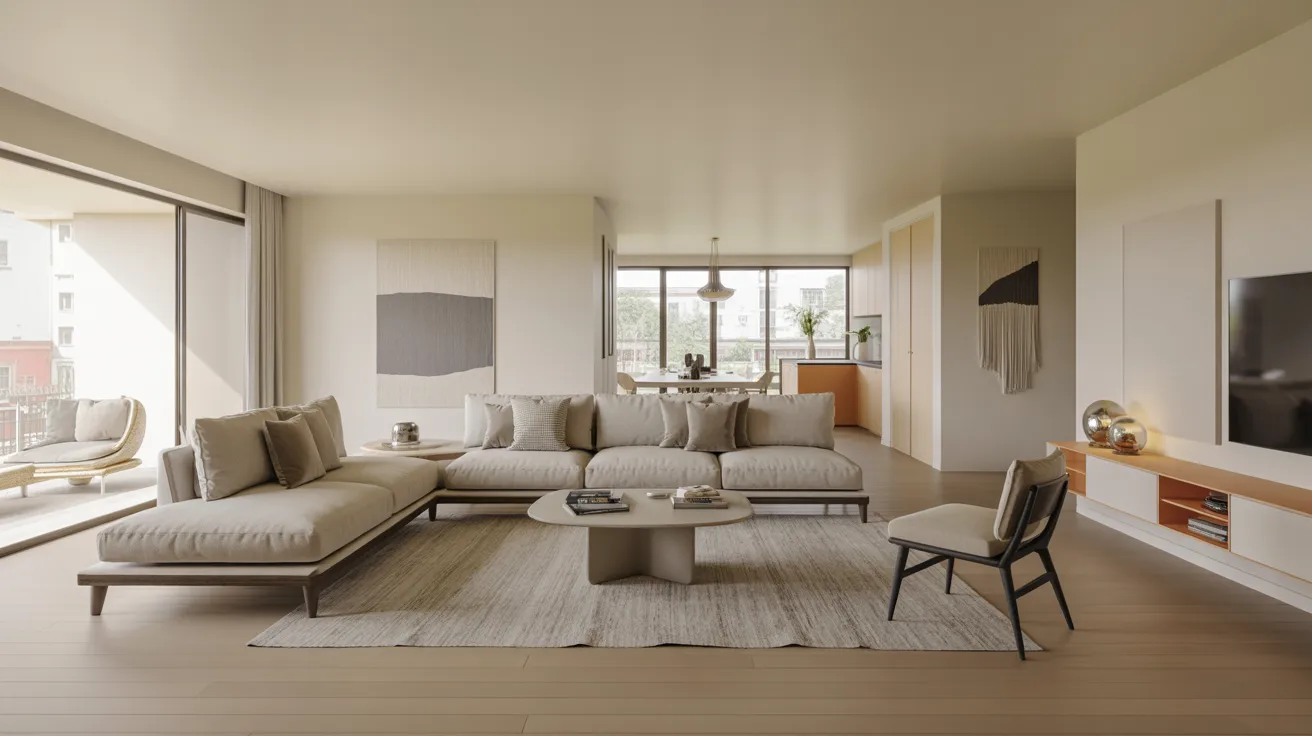
Pull your sofa away from the wall. Yes, really. Leave about 12-18 inches of space behind it. This creates depth in your room. It makes the space feel intentional, not pushed against walls.
I was scared to try this at first. But once I did, my room instantly looked more grown-up. It works best in open-concept spaces where you need to define the living area.
3. The L-Shape Layout (Ideal for Corners)
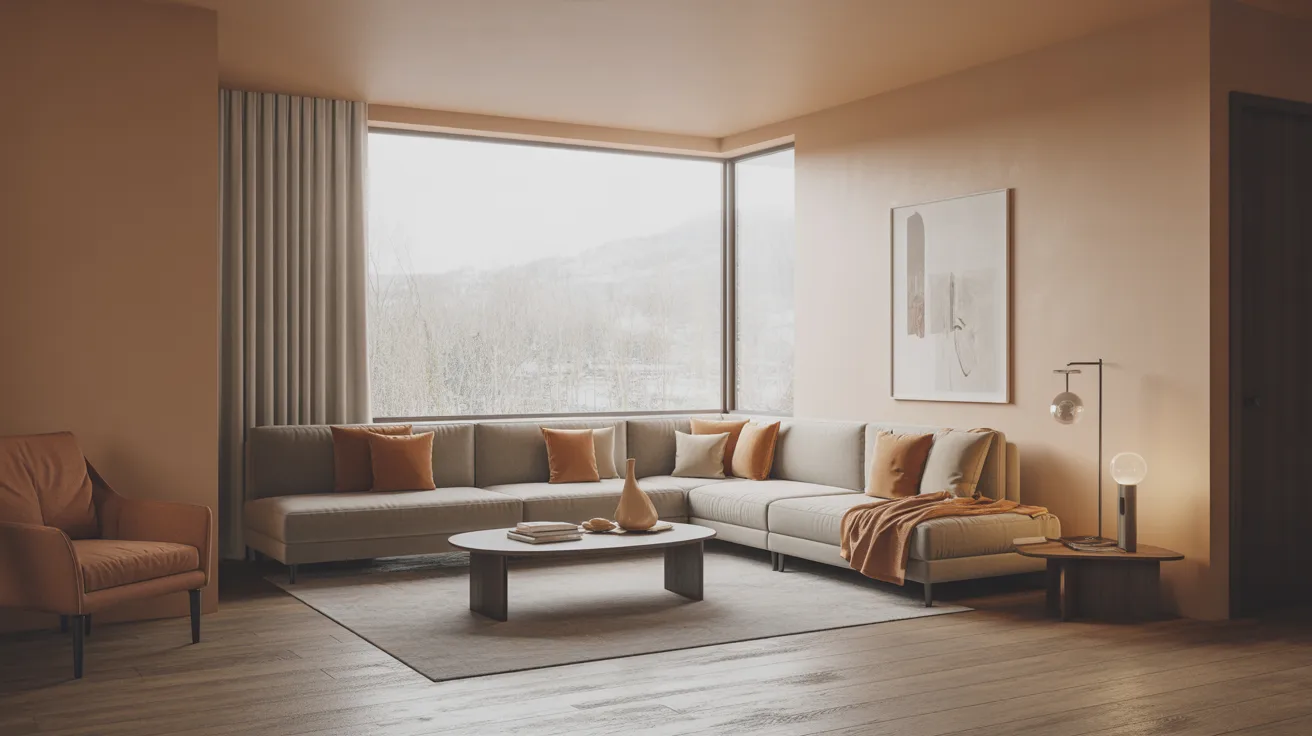
Got a corner that’s doing nothing? Put your sofa along one wall and a loveseat or sectional perpendicular to it.
This uses corner space without wasting it. The L-shape creates a natural conversation area. It’s perfect for smaller rooms where you need seating but can’t fit much else.
I use this in my own apartment. It seats five people comfortably.
4. The “Conversation Triangle” Layout
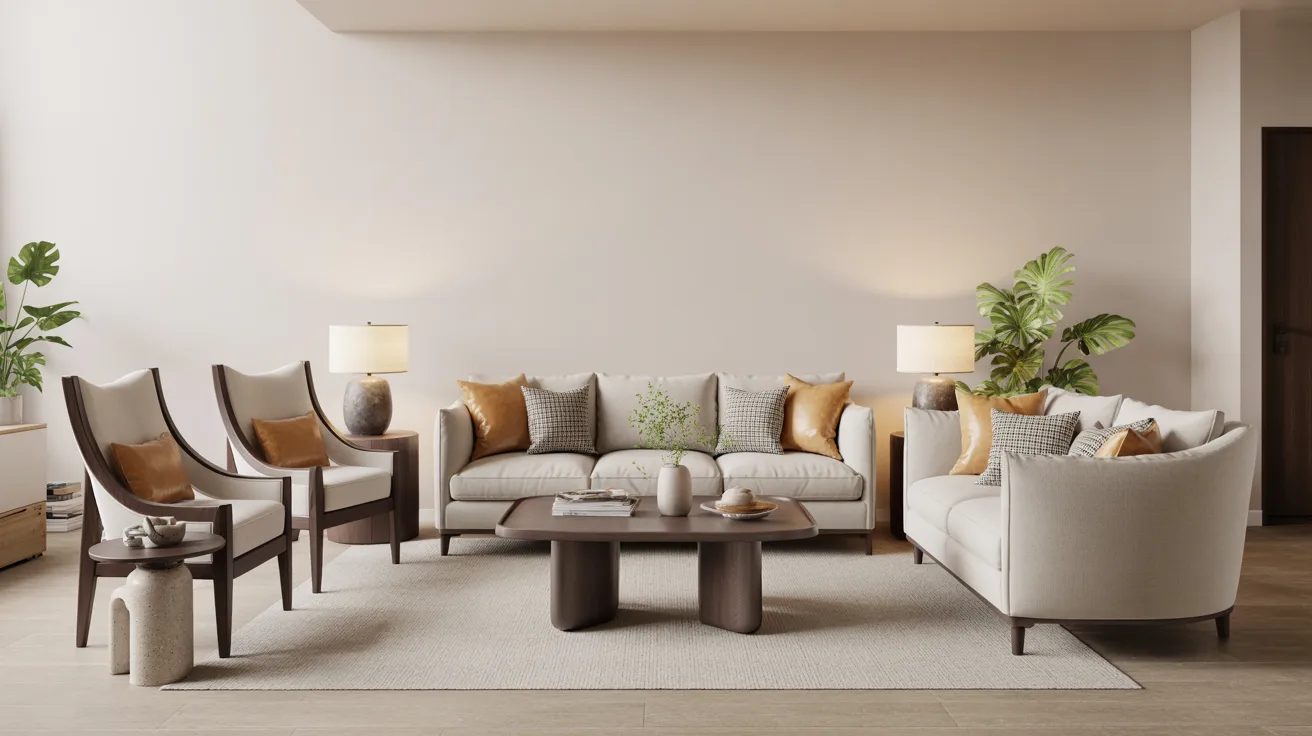
One sofa. Two chairs across from it. Coffee table in the middle. This arrangement encourages talking. No one’s stuck facing a wall or the TV.
When I have friends over, this is my go-to setup. Everyone can see each other without turning their heads.
It’s the best layout for entertaining. Period.
5. Symmetrical Layout (Balanced & Formal)
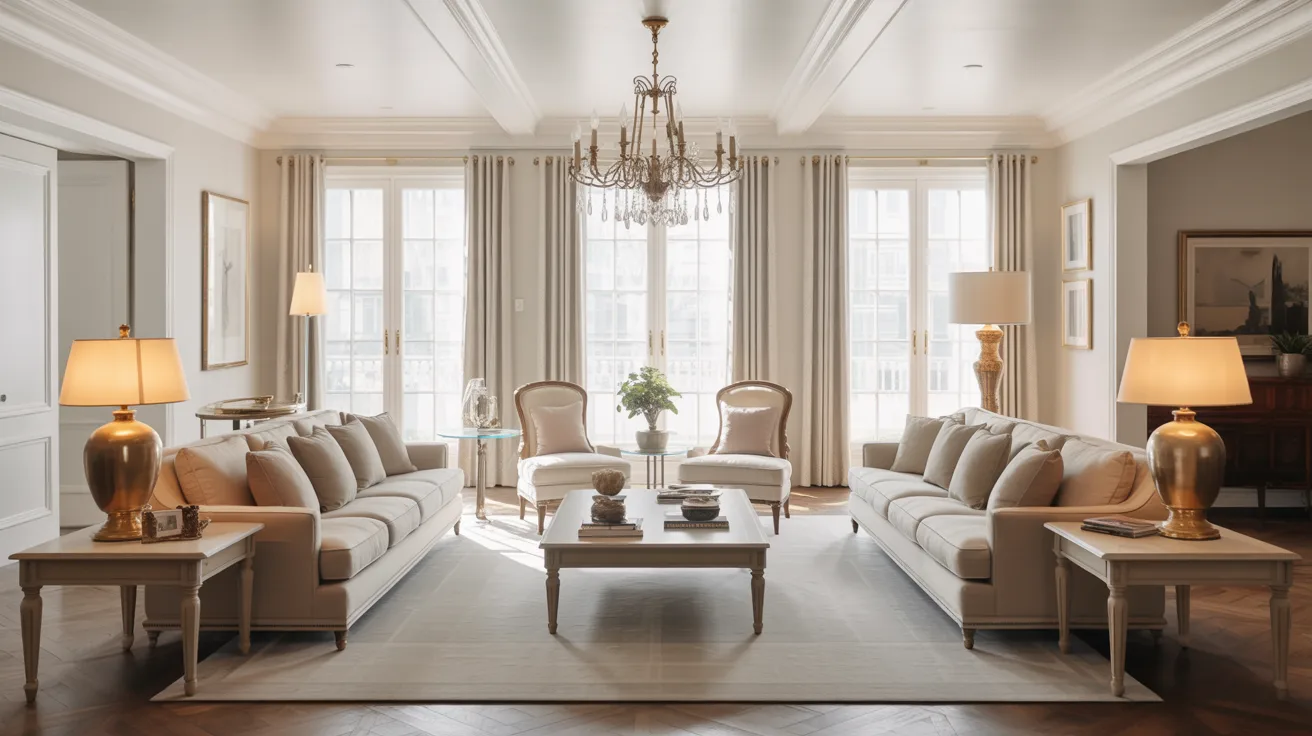
Two identical sofas facing each other. A coffee table between them. Maybe two matching end tables.
This looks polished. Professional, even. Like something from a magazine. It needs space to work, though. Don’t try cramming this into a tiny room.
I see this layout in larger homes where formality matters. It makes a statement.
6. The Minimalist Layout (Less Furniture, More Space)
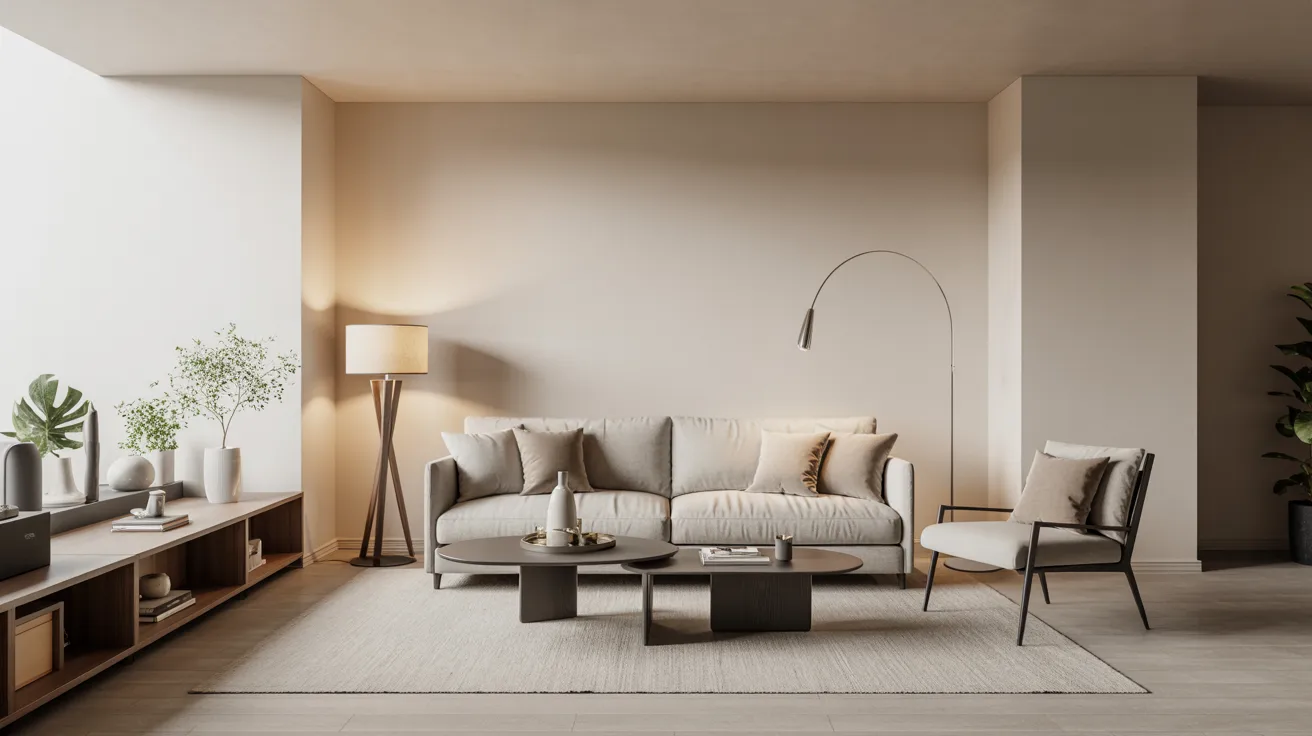
One sofa. One coffee table. Maybe a floor lamp. That’s it.
When you have a small living room, less really is more. Every piece needs to earn its place. I cleared out half my furniture once. The room felt twice as big. I could actually breathe.
Focus on what you use daily. Ditch the rest.
7. The “Two-Zone” Layout (TV + Reading Nook)
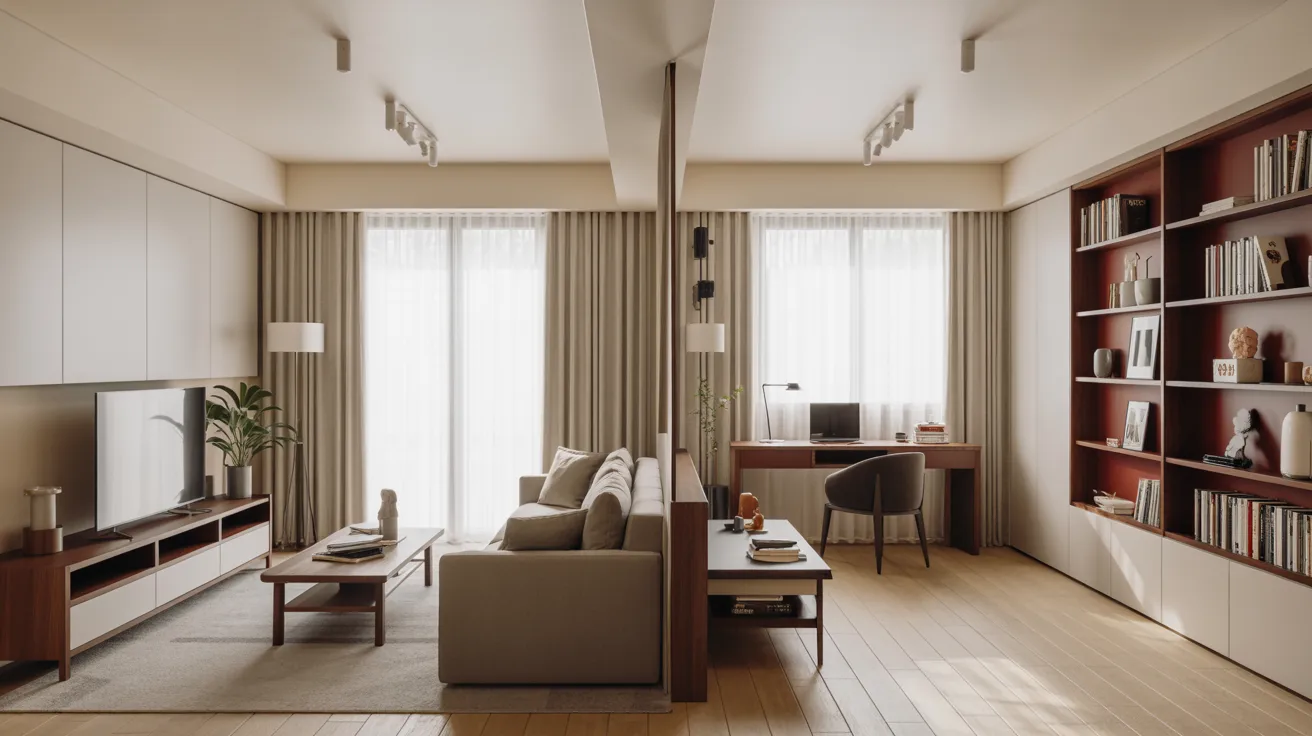
Split your room into two areas. TV viewing on one side. Reading or work space on the other.
Use your sofa as a divider. Place it so the back faces the second zone.
This works great when your living room pulls double duty. I need my TV area and my work corner. This layout gives me both.
Multi-use rooms need this kind of planning.
8. The “Diagonal Layout” (Best for Narrow Rooms)
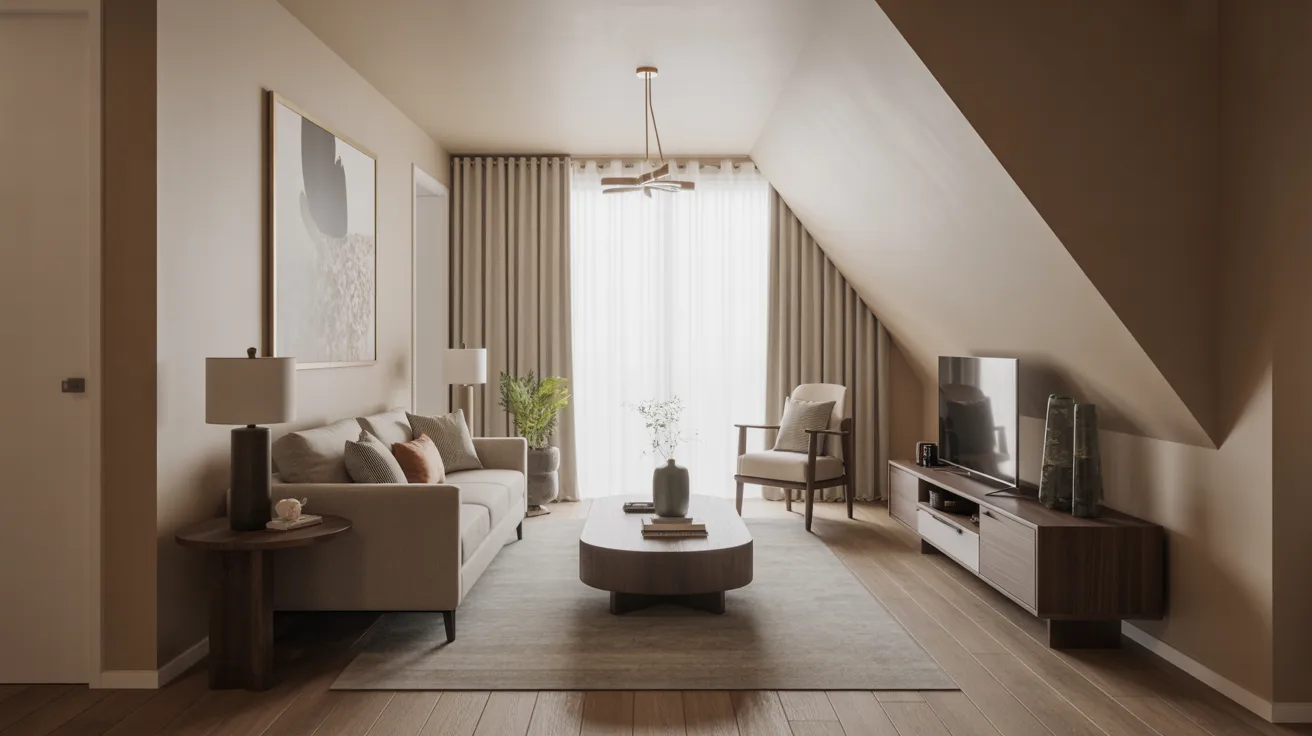
Angle your sofa at 45 degrees instead of placing it parallel to the walls. Sounds weird, right? But it actually improves flow in long, narrow spaces.
The diagonal creates movement. It breaks up that bowling alley feel.
I’ve used this in railroad-style apartments. It works wonders.
9. The “Floating TV Wall” Layout
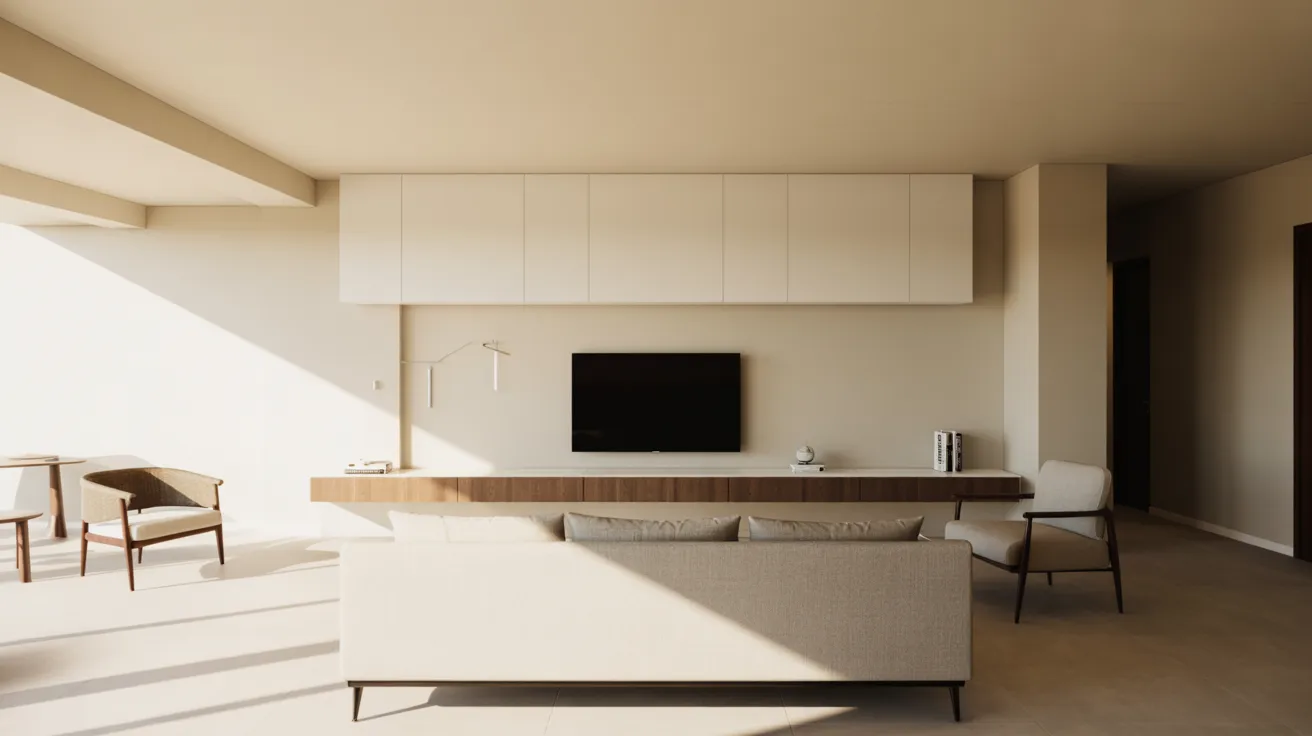
Mount your TV on the wall. No console needed. Your furniture can float in the room.
This saves so much floor space. You’re not locked into one TV placement. I did this in my last place. Freed up an entire corner for a reading chair.
Great when TV placement feels forced or awkward.
10. The “Corner TV” Layout
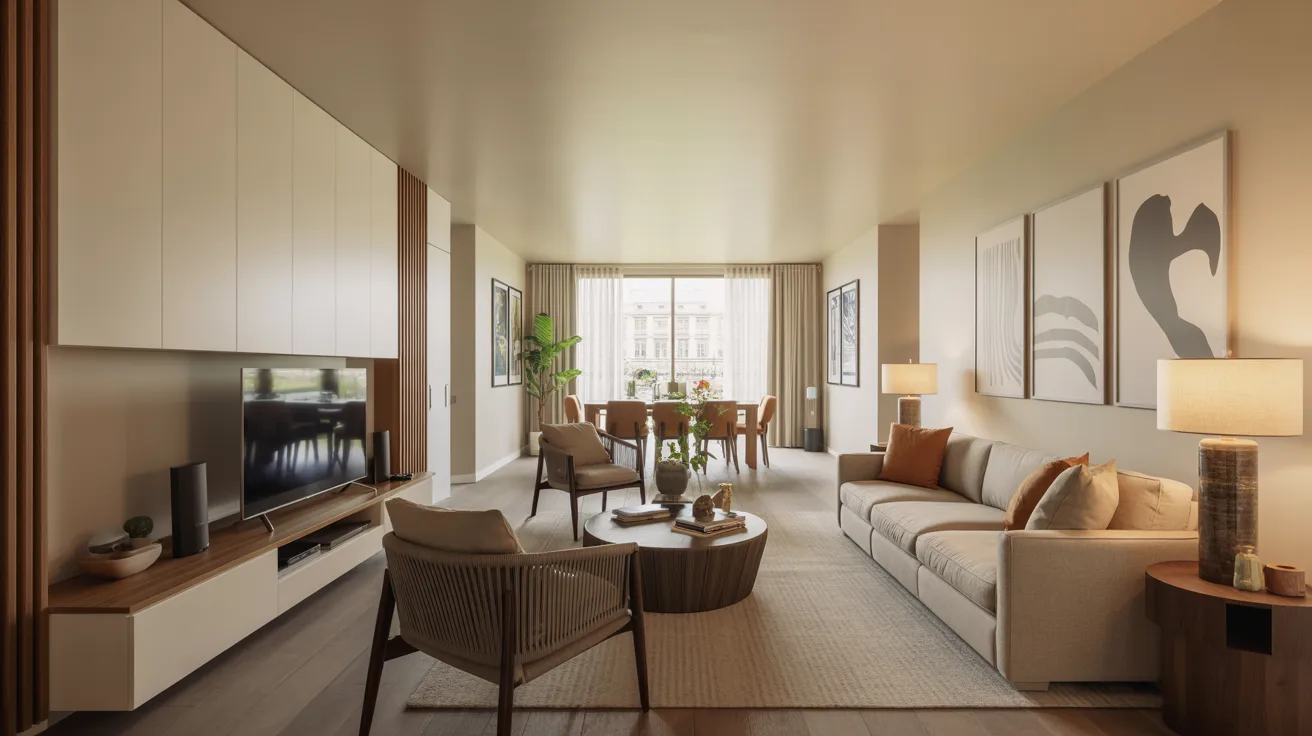
Put your TV in the corner. Angle your seating toward it.
This uses dead space that usually sits empty. Perfect for narrow rooms where wall space is limited.
My friend did this in her studio. It opened up the whole opposite wall for her dining table. Sometimes the corner is your best friend.
11. The “Rectangle Awkward Living Room Layout” (Best Strategy)
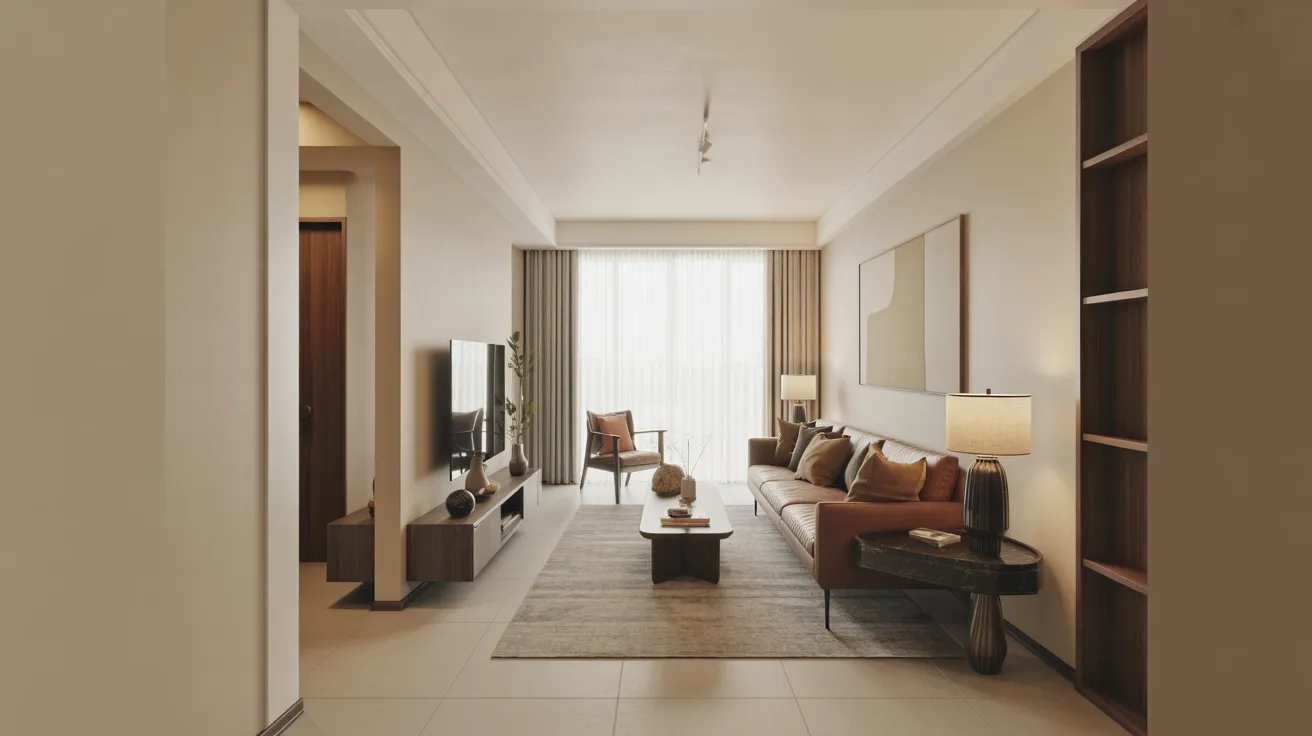
Long, narrow living rooms are tricky. I get it. Here’s what works.
Place your sofa along the longer wall. Not the short one. This creates better proportions. Use a slim console table behind the sofa if it’s floating. Adds function without bulk.
Add a narrow coffee table, not a big square one. Keep pathways clear on both sides.
12. The “Small Living Room Layout Ideas” Starter Pack
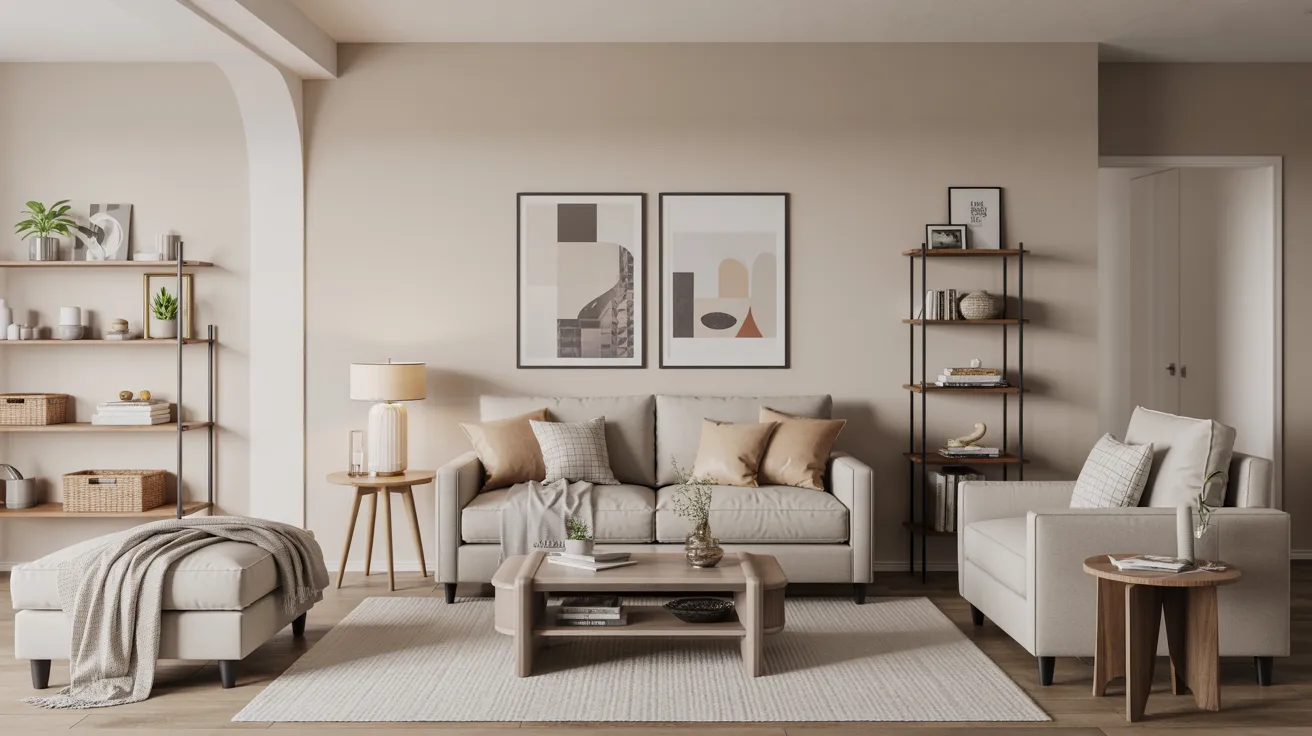
Start with small-scale furniture. A 72-inch sofa instead of a 90-inch one. It matters.
Choose multi-functional pieces. Ottomans with storage. Nesting tables. Things that work twice as hard.
Use light colors on walls and furniture. Dark colors shrink spaces visually. I learned this the hard way. My navy sofa made my first apartment feel like a cave.
13. The “Open-Concept Living Room Layout”
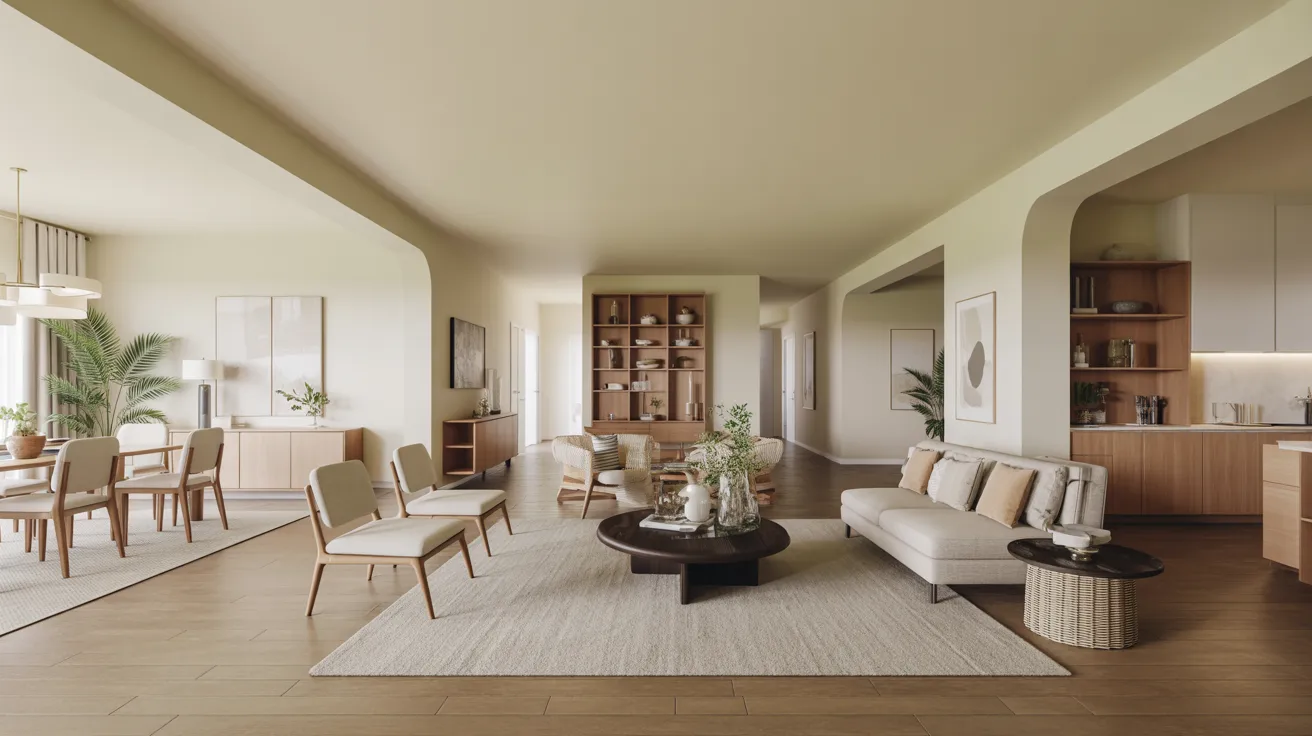
No walls to define your space? Use area rugs instead.
Place a rug under your seating area. It tells your eye, “This is the living room.” Keep the arrangement open and airy. Don’t block sightlines to other areas.
I have an open floor plan. Rugs changed everything for me.
14. The “Gallery-Style” Layout
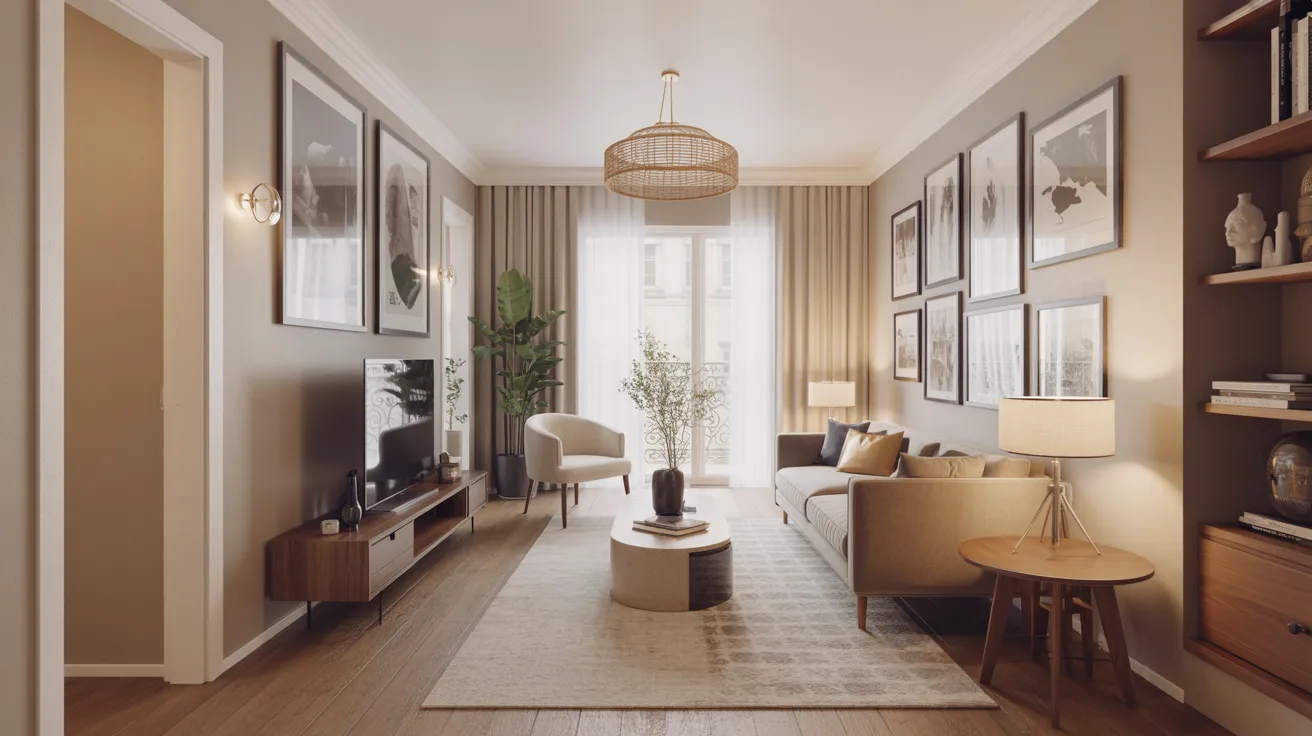
Minimal furniture. One sofa, maybe a coffee table. Then cover one wall with art.
This works in narrow rooms where furniture feels cramped. Let the walls do the talking. Your eye moves up, not just across the tight space. The room feels taller and more interesting.
I’ve seen this in skinny townhouses. It’s brilliant.
15. The “Floating Rug” Layout
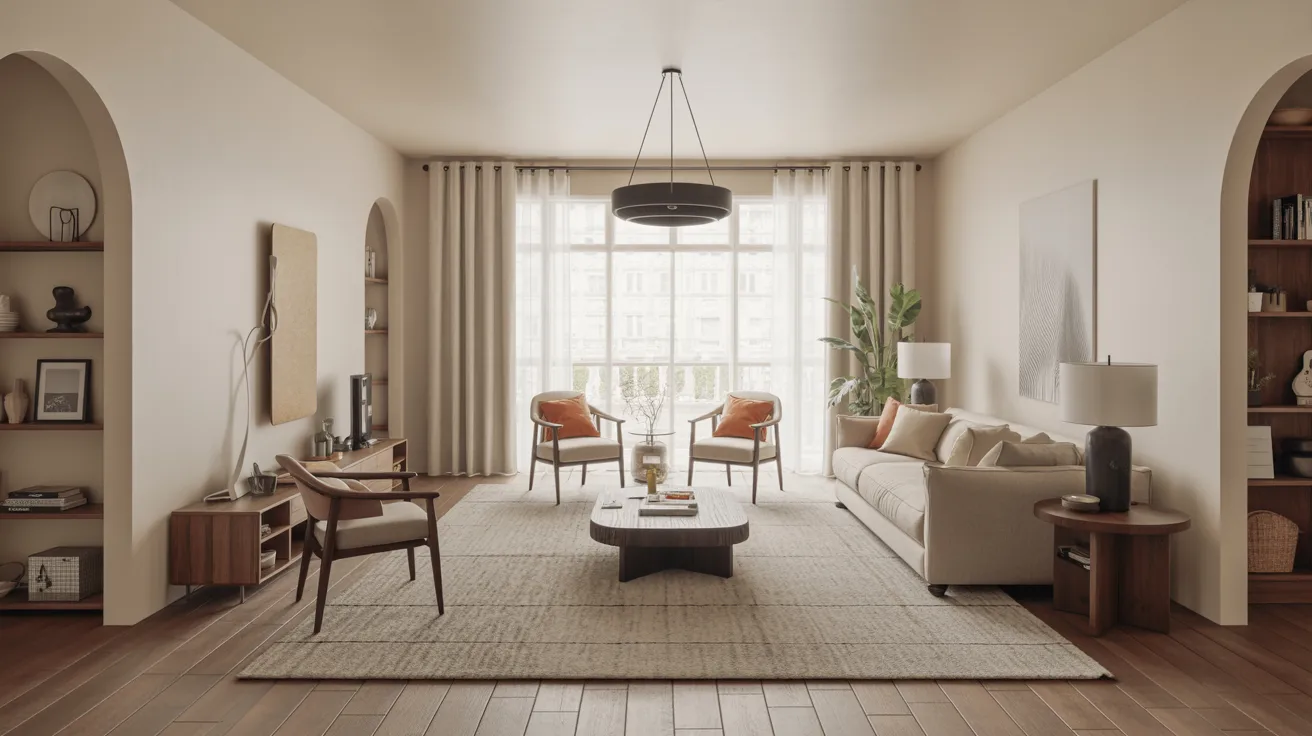
Your rug doesn’t have to touch the walls. In fact, it shouldn’t.
Leave 12-18 inches between the rug edge and the walls. This frames your furniture grouping. It creates a cozy island in the middle of the room. Makes everything feel more intentional.
I resisted this for years. Now I’ll never go back.
16. The “Corner Sofa + Ottoman” Layout
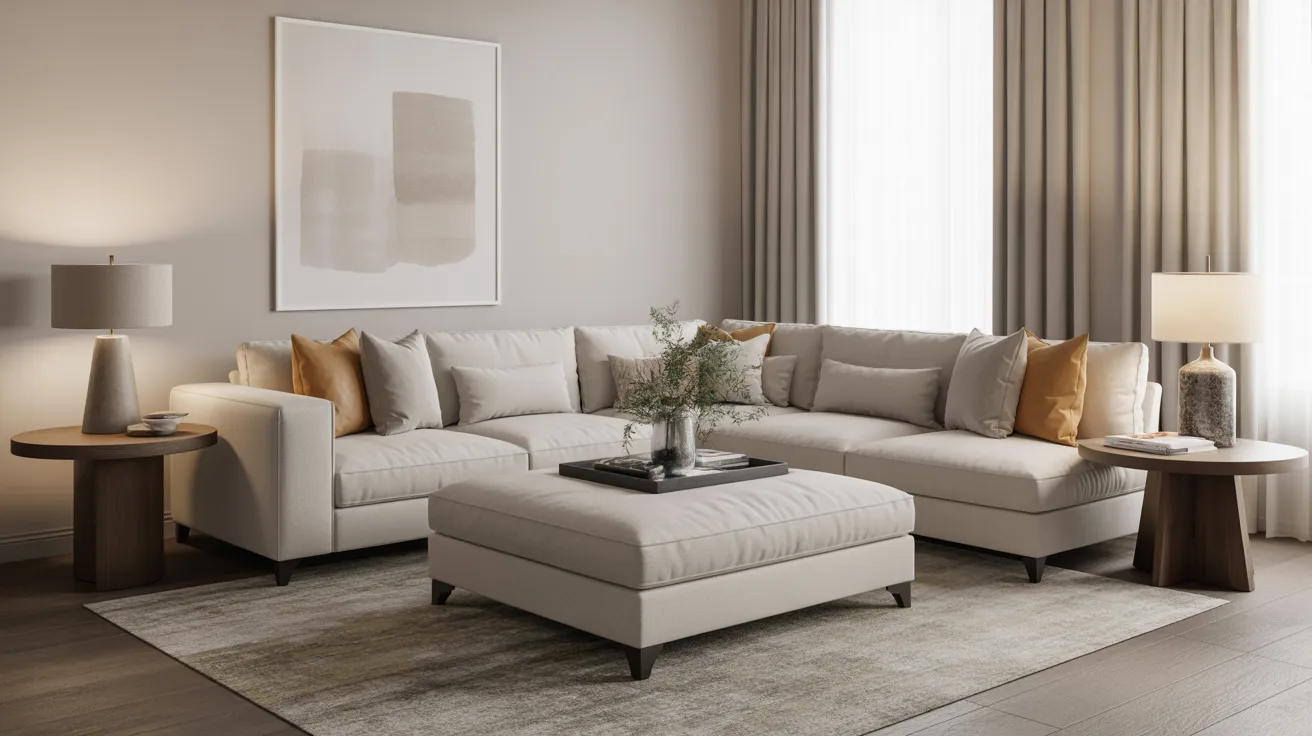
A corner sectional plus a large ottoman in front. That’s your whole setup.
This maximizes seating without adding more pieces. The ottoman doubles as a coffee table and extra seats.
Perfect for awkward corners that are too big for a chair but too small for more furniture. My sister uses this. Seats seven people comfortably.
17. The “U-Shape Layout”
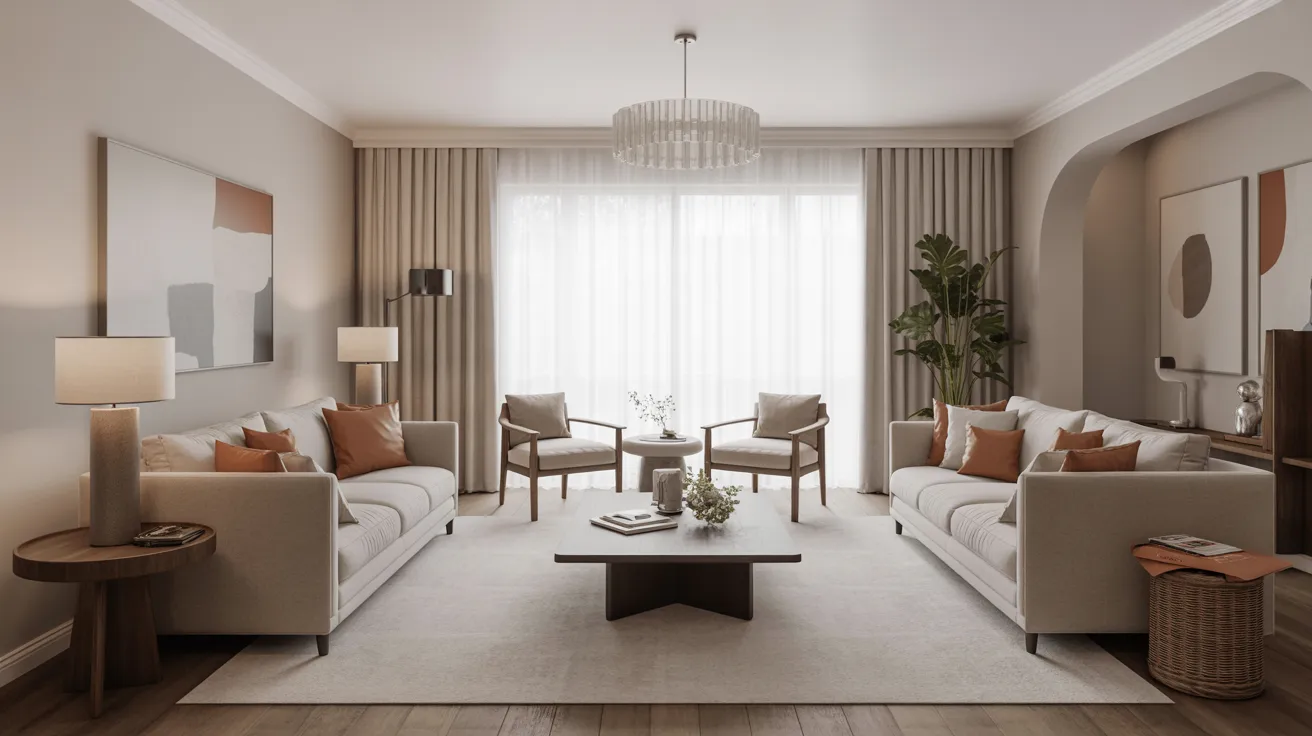
Three pieces forming a U: sofa, loveseat, and chairs. All facing inward.
This is great for family gatherings. Everyone can see each other. Conversations flow easily.
You need a medium to large room for this. It takes up space but uses it well. I set this up for holiday hosting. It’s worth the effort.
Best Layout Tips for Small Living Rooms
Small living room layout ideas require smart choices. I’ve learned this through trial and error in tight spaces.
Here’s what actually works:
- Use light colors and mirrors. They bounce light around and make walls feel farther away.
- Choose slim furniture. Legs show floor space. Bulky pieces eat it up.
- Use vertical storage. Tall bookshelves draw the eye up. Stacking creates storage without stealing floor space.
- Avoid oversized rugs. They make small rooms look smaller. Leave breathing room around edges.
- Keep pathways clear. You need 30 inches minimum for walking. Don’t block natural traffic flow.
I reduced my coffee table size by one foot. Suddenly, I could walk through my living room without turning sideways. Small changes add up.
The key is being ruthless about what you actually need. Every piece should serve a purpose.
Conclusion
You now have 17 proven living room layout ideas in your toolkit. Pick one that speaks to your space and start moving furniture.
I still rearrange my room twice a year. It keeps things fresh. Your space should work for you, not against you.
Small living room layout ideas and awkward living room layout ideas aren’t problems. They’re puzzles waiting to be solved.
Grab your measuring tape this weekend. Move that sofa. See what happens when you break your old patterns.
Drop a comment below with your biggest layout challenge. I’d love to help you figure it out.
Frequently Asked Questions
1. What is the best living room layout for small spaces?
The minimalist layout with floating furniture works best. Keep only what you need and leave space around each piece.
2. How do I make an awkward living room feel bigger?
Use diagonal furniture placement and mirrors. Light colors on walls help too.
3. What is the best furniture placement for a narrow living room?
Place your sofa along the longer wall, not the short one. Use narrow coffee tables and avoid blocking pathways.
4. How do I arrange a living room with a rectangle shape?
Create zones with rugs and angle furniture slightly. Don’t line everything up against walls.
5. What is the easiest living room layout to decorate?
The classic centered sofa layout. It’s straightforward, works in most spaces, and requires minimal planning.
