

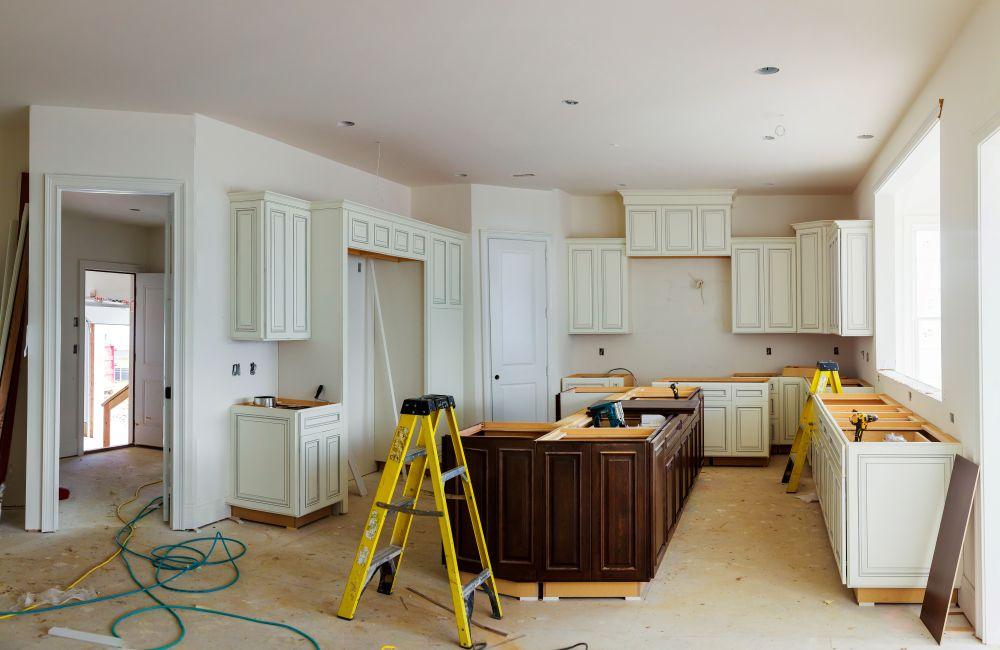
Living in a DC row house or downtown condo means dealing with small kitchens. You want decent storage and counter space, but you also need somewhere to eat. Most days, it feels like you can have one or the other.
That’s why many homeowners are looking at their kitchens more closely. In fact, a survey conducted in January 2025 asked 2,000 homeowners about their plans. It turned out that 51% wanted to tackle a kitchen remodeling project. This shows that even in tight quarters, people still want kitchens that actually work. (1)
But a new tile and shiny appliances won’t cut it when remodeling in DC. You need to rethink the entire layout. So, how do you go about it? Let’s find out!
Know the Limits of Small Dining Areas
Be honest about your space before anything else. Most DC homes have tight floor plans, especially the older row houses. Dining areas get shoved into corners or crammed right next to the kitchen.
Stop trying to fit a full dining setup where it doesn’t belong. Instead, think about how you actually eat at home. Maybe you’re a counter person. Or perhaps you need a real table for Sunday dinners. Your actual habits matter here. Ignore them, and you’ll hate the layout within a week.
To make sure you get everything right, work with qualified contractors from the start. Look for one with a solid track record in small-space renovations. Ask to see a before and after kitchen remodel photo to know what it’ll look like when it’s done.
A kitchen renovation contractor who’s tackled tight DC kitchens before will spot problems you’d never notice. They’ll also know which walls can move and which ones can’t. That knowledge alone can save you thousands in mistakes.
Rethink the Kitchen and Dining Relationship
In smaller homes, your kitchen and dining area don’t need hard boundaries. Smart kitchen design lets them work together instead of fighting for space. For example, you can swap that traditional table for a small kitchen island with seating.
A slim dining table works too. And so does a built-in bench. They keep things flexible without locking you into one setup.
When you’re planning your kitchen renovation, make sure your layout supports activities. You should be able to cook, eat, and move around without bumping into things.
Go for Appliances and Layouts That Save Room
Appliance size can affect how your kitchen looks. Smart, energy-efficient appliances will fit better into compact layouts while supporting daily use.
Layout choices matter even more. Galley kitchens work great in tight spaces. L-shaped designs can work too. Both keep everything within reach without sprawling everywhere. (2)
Push your appliances against one or two walls. This will leave the middle open. That simple move can create walkways and carve out room for actual seating. Your dining area stops feeling like something you have to squeeze past just to grab milk from the fridge.
Choose Cabinets That Don’t Overwhelm the Space
Your cabinets determine how open the room feels. If you pick the wrong ones, a small kitchen shrinks even more, especially near your dining table.
Lighter finishes and simpler cabinet styles help keep the room airy. They don’t weigh down the walls visually. To get the most out of your footprint, try mixing standard storage with custom kitchen cabinets.
You can run tall units along one wall for maximum space, then use open shelving or slimmer cabinets near the dining area. This gives you all the room you need for dishes without making the space feel suffocated.
Use Flooring That Connects the Spaces
Flooring can change how big or small your room looks. Running the same flooring through your kitchen and dining area can help. It ties everything together visually.
The flooring material you choose matters. Vinyl and resilient flooring topped the list in 2025, with 22% of homeowners choosing it for their kitchen remodels. Ceramic or porcelain tile came in close at 20%. These numbers highlight what works in a real kitchen. (3)
Regardless of the material you pick, keep it consistent. This works whether you want a modern or traditional kitchen. Using one floor throughout makes the layout feel intentional. It opens up the kitchen without you having to knock down a single wall.
Light the Room Without Dividing It
Lighting creates boundaries without actual walls. You don’t need barriers to separate your kitchen from your dining area. Layered lighting does the job better.
You can start with ambient lighting that covers the whole room. Then add focused fixtures where needed. Recessed lights work great in the kitchen. You can also add a pendant over thedining table to mark that space as its own zone.
This setup separates functions without chopping up the room visually. Everything still feels connected. The space stays comfortable instead of feeling cramped and divided.
Share Storage Between Kitchen and Dining Areas
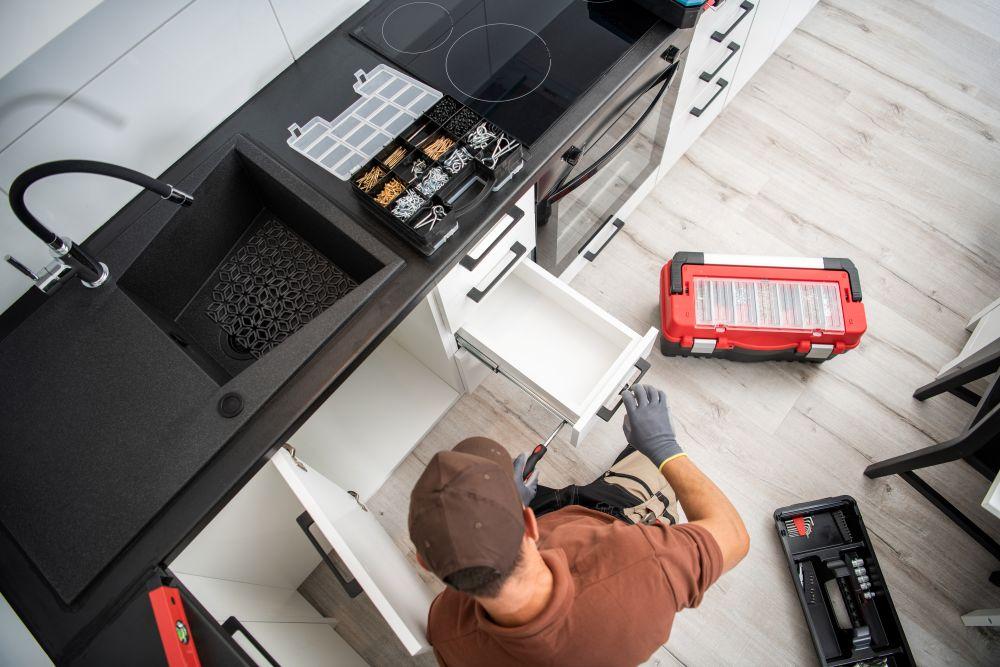
According to a 2025 study, 94% of the surveyed homebuyers agreed that storage is one of the main features they look at. This shows just how important this element is in any home. (4)
Achieving this in small kitchens can be challenging. But sharing the storage between the kitchen and dining areas can help. It takes pressure off your cabinets and countertop space.
Built-in benches and slim sideboards work surprisingly well. They give you storage without eating up floor space. Tuck them against a wall in your dining area, and suddenly you have room for table linens, extra dishes, or that random kitchen stuff that never has a home.
Your kitchen countertops stay clearer this way. When everything has a spot nearby, you’re not constantly shuffling things around while cooking. Surfaces stay usable instead of becoming a dumping ground for clutter.
Conclusion
Undertaking a DC kitchen remodeling project doesn’t mean settling for less. The right layout, smart storage, and thoughtful design can turn a cramped space into something that actually works.
With the above tips, you can create a kitchen that handles daily cooking and dining effectively. Work with experienced remodeling services, rethink your layout, and make every square foot count. Your small kitchen can work hard without working against you.
References
- “Kitchen Remodeling Trends and Tips for 2025”,
- “How to Choose the Right Kitchen Layout for Your Home”,
- “Leading materials for upgraded kitchen floors in the United States from 2023 to 2025”,
- “Home Buyers’ Top Priority Features in 2025”,
Source: https://www.thisoldhouse.com/kitchens/kitchen-remodeling-trends-2025
Source: https://www.fixr.com/articles/how-to-choose-the-right-kitchen-layout
Source: https://www.statista.com/statistics/1008489/kitchen-floor-upgrade-materials-us/
Source: https://www.fixr.com/articles/home-buyers-top-priority-features
