

Installing a permanent pool is a significant decision for any property owner. It is a large-scale construction project that fundamentally alters the layout of your yard and your weekly home maintenance routine. While the initial idea often centers on recreation and relaxation, the actual installation requires careful attention to technical specifications and logistics. You must evaluate your available budget, the physical characteristics of your soil and terrain, and the long-term labor required to keep the water clean.
Evaluating Your Backyard Space
The first thing you need to do is walk out into your yard and really look at what you have to work with. Soil quality, the slope of the land, and the location of underground utility lines all play a part in where you can actually build. You also have to consider the sight lines from inside your house. You likely want to be able to see the water from your kitchen or living room windows, both for the view and for safety reasons if you have children or pets.
While you are outside, think about the existing layout of your outdoor living area. An in-ground pool takes up a lot of room, and you still need space for walking, lounging, or perhaps a grill area. Nowadays, you can find many sizes and shapes that fit into tight corners or narrow lots. Some people choose cocktail pools, which are much smaller and designed more for soaking and socializing than for swimming laps. Others with long, narrow yards might find that lap pools are the best way to utilize the available footprint while still getting the exercise benefits of a swim.
Comparing Different Pool Types
Once you know you have the space, you have to decide what kind of structure you want to build. The three main options for permanent installations are concrete, vinyl liner, and fiberglass. Concrete offers the most customization options because it can be poured into almost any shape you can imagine. This is the route people take when they want a truly unique look or specific features like a built-in tanning ledge. However, concrete is also the most expensive and takes the longest to install.
Fiberglass pools are pre-made shells that a crane drops into a hole in your yard. They are popular because they are easier to maintain, and the surface has excellent corrosion resistance against chemicals and salt. Vinyl liner pools are usually the most affordable upfront option. They use a flexible liner that sits inside a reinforced frame. While these are common, you do have to replace the liner every decade or so.
Design Elements and Aesthetics
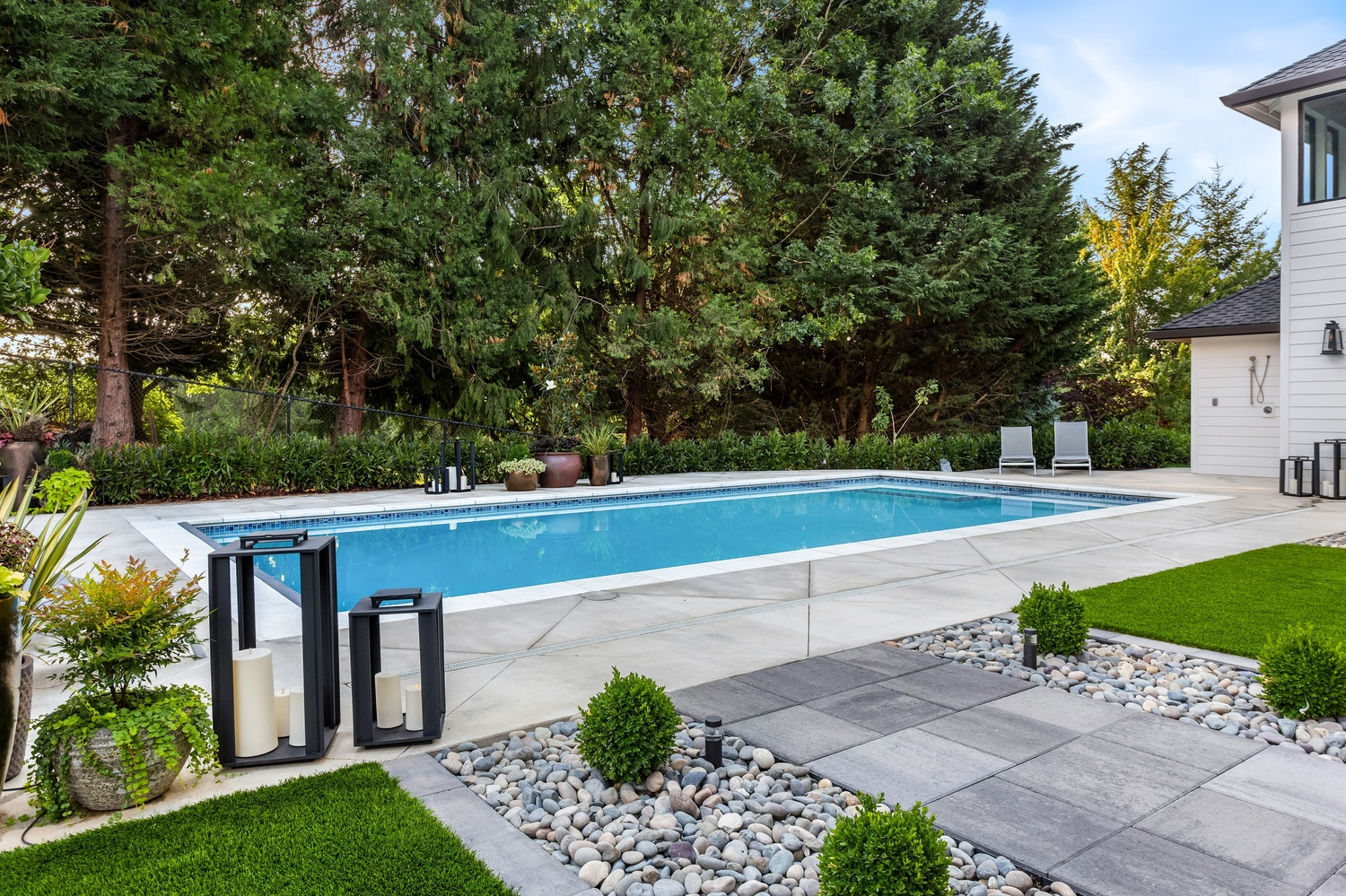
A pool should look like it belongs with your house. You want the materials you choose for the decking and the interior finish to complement the architecture of your home. Some people like a modern look with sharp angles and grey stone, while others prefer oval and round designs that feel more natural and organic.
If you want to add a bit of personality, you can look into a tile mosaic along the waterline or on the steps. This adds a bit of visual interest without overcomplicating the build. You also have to think about the area surrounding the water. You will need a solid concrete pad for your pump, filter, and heater equipment. This equipment should be tucked away where it is accessible for maintenance, but not right next to your lounging area, where the noise might be a distraction. The goal is to create a private retreat where you can escape the stress of daily life, so the placement of every element matters.
Budgeting and Construction Reality
The price tag of a pool is often the biggest hurdle. It is rarely just the cost of the pool itself. You have to account for excavation, electrical work, plumbing, and the surrounding patio or deck. You also need to set aside money for a fence, which is a legal requirement in almost every jurisdiction for safety reasons. When you start talking to installation companies, make sure you ask for a comprehensive quote that includes all of these costs.
Construction is also a messy process. Your backyard will look like a construction zone for weeks or even months, depending on the type of pool you choose. There will be heavy machinery moving in and out, which can damage your grass and landscaping. It is a good idea to seek expert guidance early on so you know exactly what to expect regarding the timeline and the potential for unexpected issues, like hitting a large rock or a high water table during excavation.
Legal Requirements and Maintenance
Before any dirt is moved, you have to deal with the paperwork. Every city has its own zoning regulations that dictate how far a pool must be from your property line and what kind of safety barriers you must have. You might also have to deal with a Homeowners Association (HOA), which could have its own rules about what colors or materials you can use.
Once the pool is finished, the work does not stop. You have to balance the water pH, clean the filters, and skim leaves off the surface. Some people find this routine relaxing, while others prefer to hire a service to handle it. If you are moving from a home where you had an above-ground setup, you will find that a permanent in-ground version requires a bit more attention to keep the water clear and the equipment running efficiently. Adding water features like fountains or deck jets can make the pool look better, but remember that these also require more maintenance and can increase your electricity bill.
Long-term Value and Lifestyle
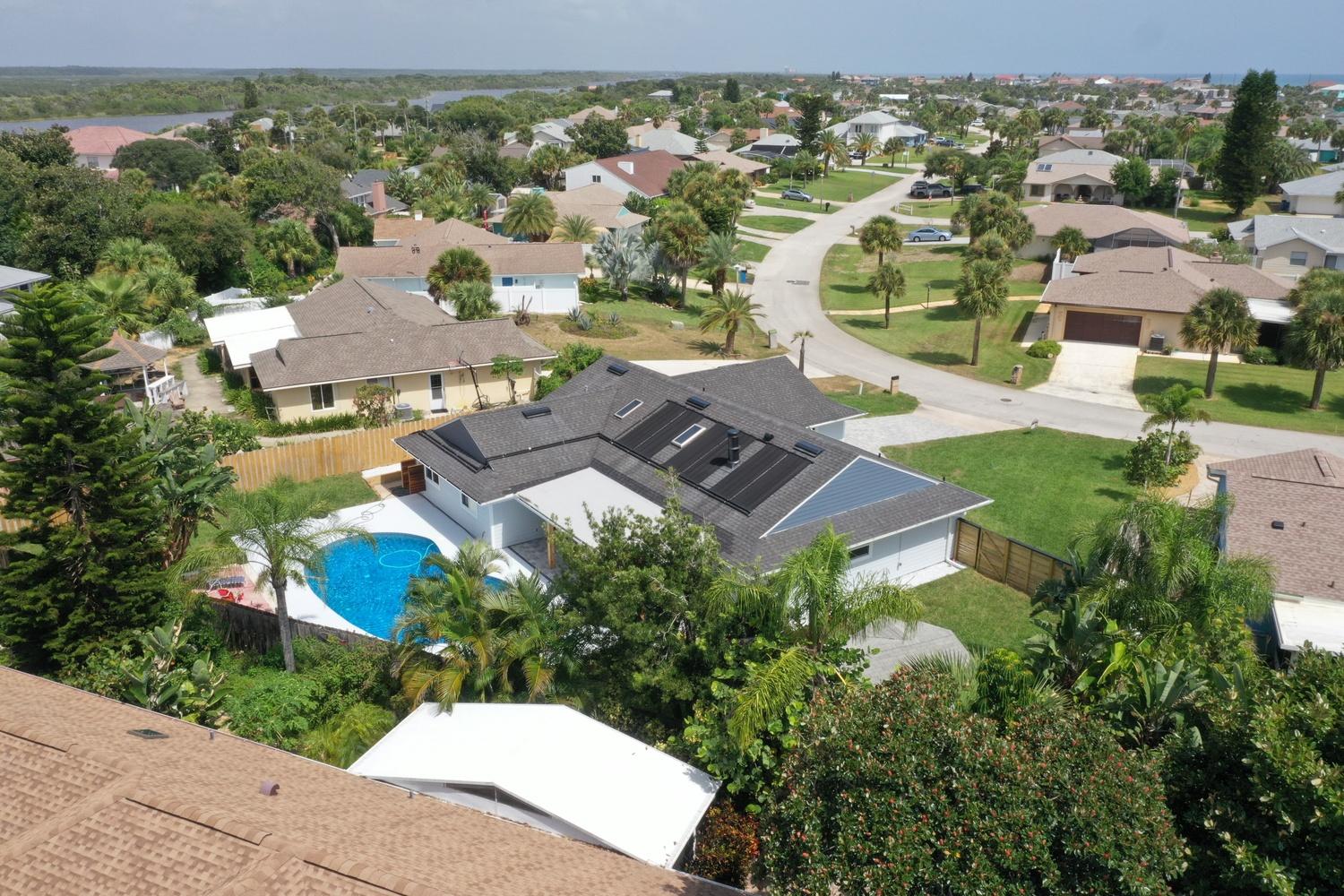
The final question is whether a pool adds value to your home. In regions with warm climates, a pool is often a standard market expectation. If most homes in a neighborhood feature a pool, lacking one can reduce a property’s competitiveness and potentially extend its time on the market. In cooler climates, it might not add much to the monetary value, but it adds a lot of ‘lifestyle value.’
Think about how often you will actually use the water. If you have kids who will spend every summer afternoon swimming, it is a great addition. If you are looking for a way to exercise and stay healthy, it provides a convenient place for low-impact workouts. You have to weigh the high upfront cost and the ongoing effort against the joy and utility the pool will bring to your daily life.
Conclusion
Installing an in-ground pool is a major commitment that requires careful planning. It is a project that transforms your property and changes how you spend your free time. By looking at your yard, understanding the different types of pools, and being honest about your budget and maintenance capabilities, you can make a decision that you will be happy with for years. A pool is a practical addition for some properties, but for those who account for the installation requirements and upkeep, it serves as a functional and high-use home improvement. Take your time, do your research, and make sure you are ready for both the construction and the upkeep that follows.
