

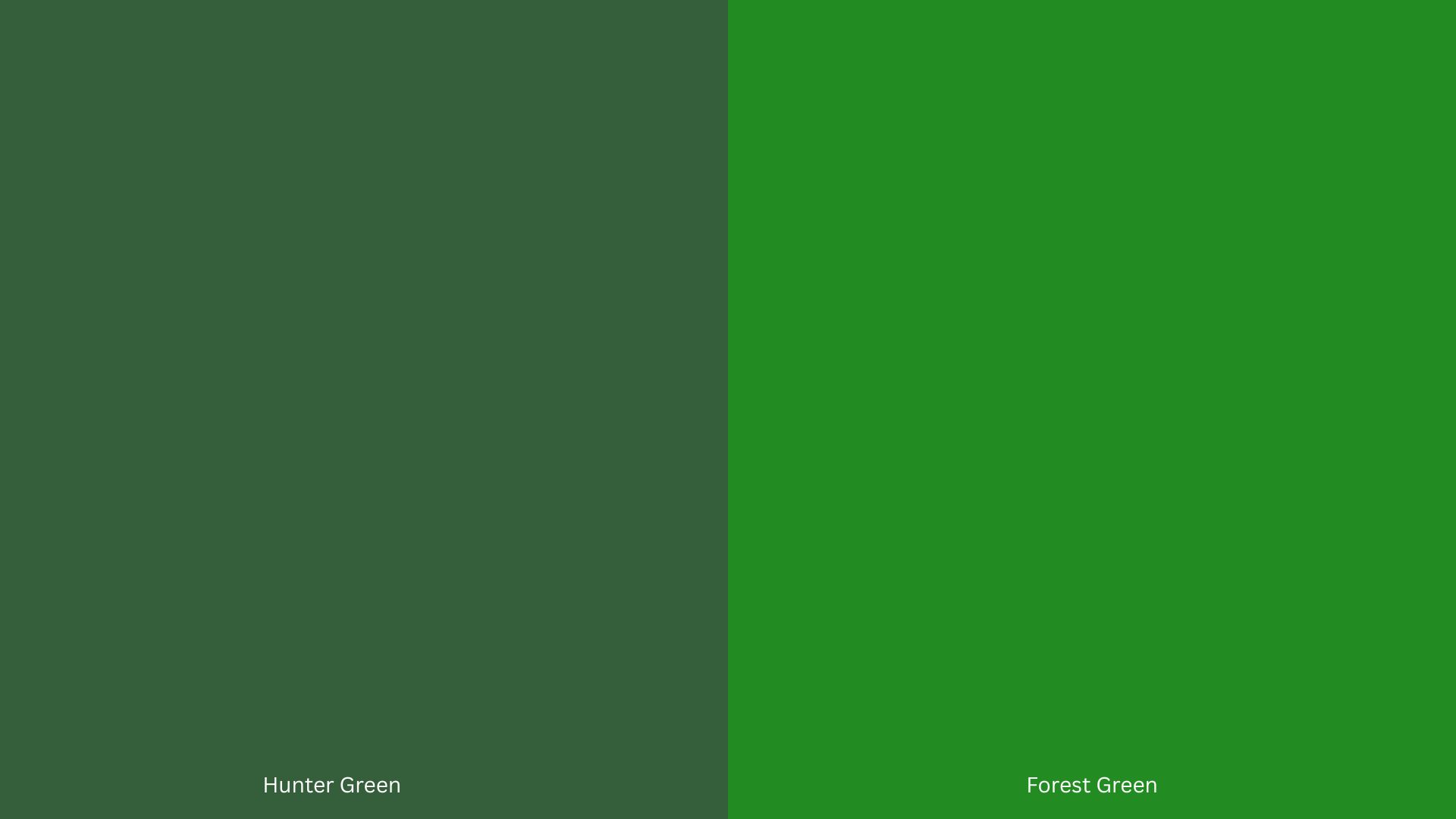
Have you ever stood in a paint aisle or scrolled through fabric swatches, stuck between two greens that look almost identical?
I’ve been there too. Hunter green and forest green seem like the same color until you put them side by side. Then suddenly, the differences become obvious.
Hunter green is darker with cooler, almost bluish undertones. Forest green feels lighter and carries warmer, earthier vibes.
Once you know what sets them apart, picking the right shade for your home, wardrobe, or brand becomes so much easier.
What Is Hunter Green?
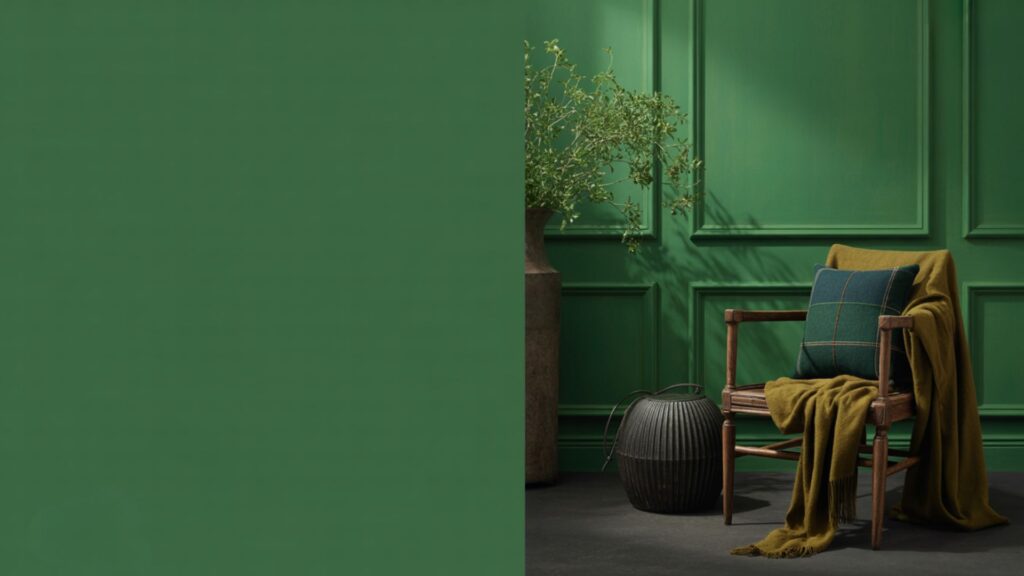
Hunter green is a deep shade rooted in traditional hunting culture. It brings boldness and classic style to any setting.
Hunter green gets its name from traditional hunting attire worn centuries ago. This rich, dark shade has always been linked to outdoor sporting culture.
Over time, it became a symbol of sophistication and timeless style. You’ll find it in classic designs that never go out of fashion.
Hunter Green Color Characteristics
Hunter green is a deep, muted shade with a subtle mix of yellow and blue undertones. It leans darker than most greens you’ll see. The color feels bold and dramatic without being too bright.
It has a classic, almost formal quality that makes it stand out. The hex code is typically #355E3B, though variations exist depending on the brand or paint company.
Common Uses of Hunter Green
- Fashion: You’ll spot this shade in high-end outerwear, coats, and formal wear. It’s a go-to choice for luxury pieces that need a polished, refined look.
- Home Décor: Works beautifully as an accent wall color or on statement furniture like velvet sofas. It adds depth and drama to any room.
- Accessories: Common in leather bags, dress shoes, and premium watches. Hunter green brings instant sophistication to everyday items.
What Is Forest Green?
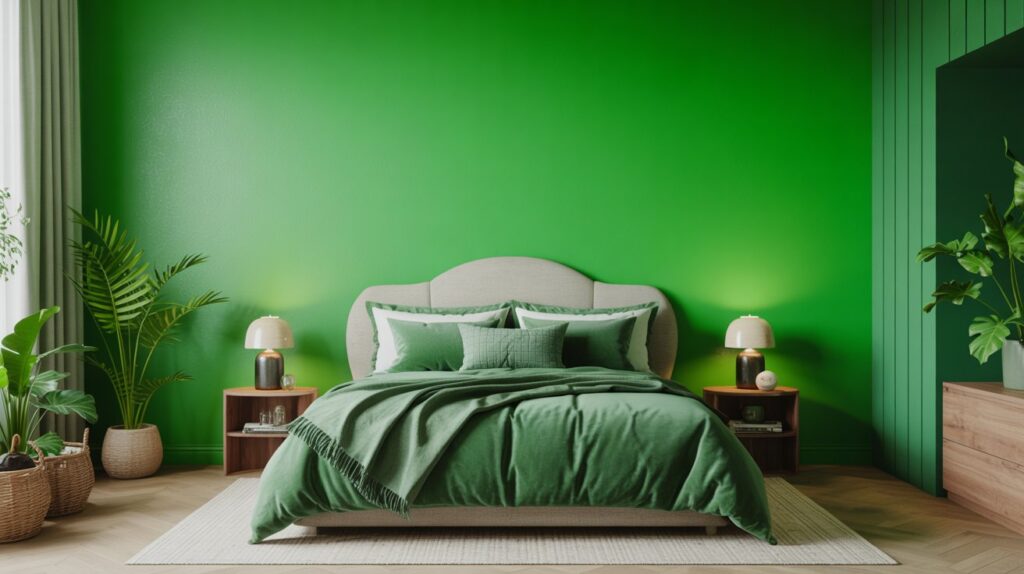
Forest green takes inspiration from the lush, natural tones found in woodlands. It brings a sense of calm, freshness, and connection to nature.
Forest green draws its name from the rich colors you see in dense forests and greenery. This shade has always been connected to the outdoors and natural landscapes.
It represents growth, vitality, and a sense of peace. People are drawn to it because it feels grounding and refreshing at the same time.
Forest Green Color Characteristics
Forest green is softer and more natural-looking compared to hunter green. It sits in the mid-to-dark range with warm, earthy undertones.
The color feels organic and luminous, like sunlight filtering through tree leaves. It’s less dramatic than hunter green but still has plenty of depth. The hex code is usually #228B22, though variations exist across different palettes.
Common Uses of Forest Green
- Fashion: Perfect for casual wear and everyday pieces like t-shirts, hoodies, and relaxed jackets. It has an approachable, laid-back vibe.
- Interiors: Popular in biophilic design and plant-inspired spaces. Works well with natural materials like wood and stone to create a calming atmosphere.
- Branding and Design: Frequently used by eco-friendly brands and companies focusing on sustainability. It communicates environmental awareness and natural values.
Hunter Green vs Forest Green: Side-by-Side Comparison
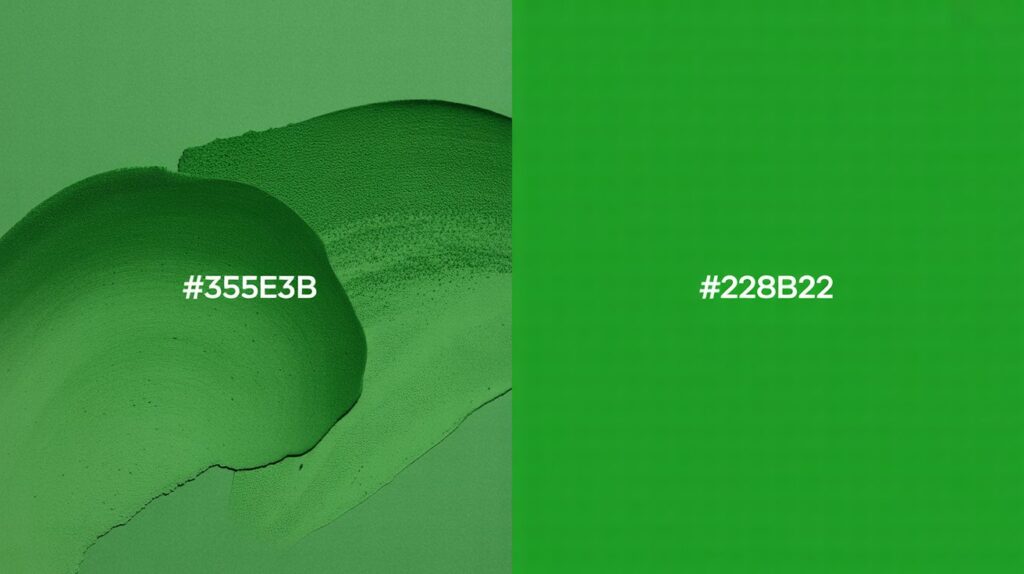
When you place these two shades next to each other, the differences become clear. Here’s how they compare across key aspects.
Appearance Comparison
|
Aspect |
Hunter Green |
Forest Green |
|
Depth |
Darker and more intense |
Softer and mid-toned |
|
Undertone |
Cooler with blue-yellow mix |
Warmer and earthy |
|
Mood |
Polished and luxurious |
Calm and natural |
How They Look in Real Life
Hunter green appears richer and moodier under indoor lighting. It has a dramatic quality that works well in formal settings. The shade can feel almost velvety when used on fabrics or walls.
Forest green looks brighter and more nature-inspired in daylight. Natural light brings out its fresh, organic quality. It feels more approachable and relaxed in everyday spaces.
Which One Is Darker?
Hunter green is the darker, more saturated option. It has greater depth and intensity compared to forest green.
If you’re looking for a bold, statement-making shade, hunter green wins. Forest green sits lighter on the color spectrum and feels less heavy overall.
When to Use Hunter Green vs Forest Green
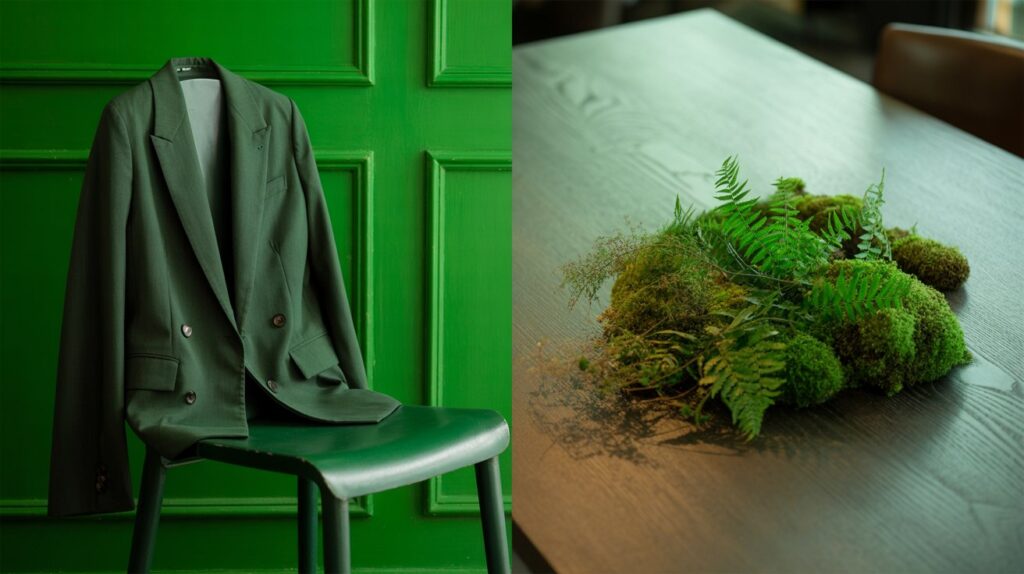
Choosing between these two greens depends on the vibe you want to create. Each shade shines in different situations.
Best Situations for Hunter Green
Hunter green works perfectly for elegant fashion looks. Use it for formal events, business attire, or upscale outfits. It looks beautiful in blazers, evening dresses, and tailored coats.
This shade is also ideal for moody, dramatic interior spaces. It creates sophisticated rooms with depth and character. Try it in dining rooms, libraries, or bedrooms where you want a cozy, refined feel.
For branding, hunter green suits formal or classic logo designs. It’s great for law firms, financial institutions, or luxury brands. The color communicates professionalism and long-lasting quality.
Best Situations for Forest Green
Forest green is perfect for relaxed, nature-inspired outfits. It’s ideal for casual weekends, outdoor activities, or everyday wear. Think flannel shirts, comfortable sweaters, and laid-back jackets.
In home décor, this shade works beautifully for earthy, organic styles. It fits perfectly in living rooms, kitchens, or spaces filled with plants and natural textures. The color creates a soothing, grounded environment.
Forest green is the top choice for eco-friendly brand visuals. It’s best for sustainability-focused companies, organic products, or environmental organizations. The shade instantly connects your brand to nature and green values.
Interior Design: Choosing the Right Shade for Your Space
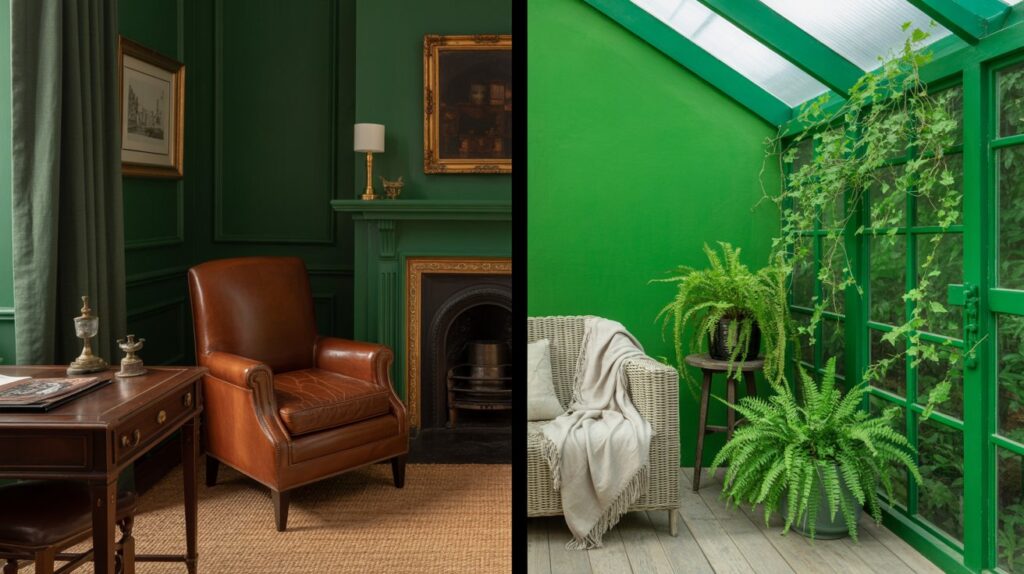
The green you choose can completely change how a room feels. Here’s how each shade works in different spaces.
Hunter Green in Home Décor
Hunter green works beautifully as an accent wall in rooms where you want drama and sophistication. It’s ideal for libraries, home offices, or formal dining rooms. The deep, rich tone adds weight and importance to a space.
This shade creates a luxurious and bold mood that feels intentional. It pairs well with brass fixtures, leather furniture, and dark wood. Hunter green makes a room feel intimate and cozy, perfect for spaces where you want to make a strong impression.
Forest Green in Home Décor
Forest green is perfect for living rooms, bedrooms, and nature-inspired spaces. It brings the outdoors inside without feeling too heavy or formal. The color works well in rooms where you spend time relaxing and unwinding.
This shade feels soothing, organic, and refreshing. It pairs beautifully with natural materials like rattan, linen, and light wood. Forest green creates a calm atmosphere that helps you feel more grounded and connected to nature.
Hunter Green vs Forest Green: Which One Should You Choose?
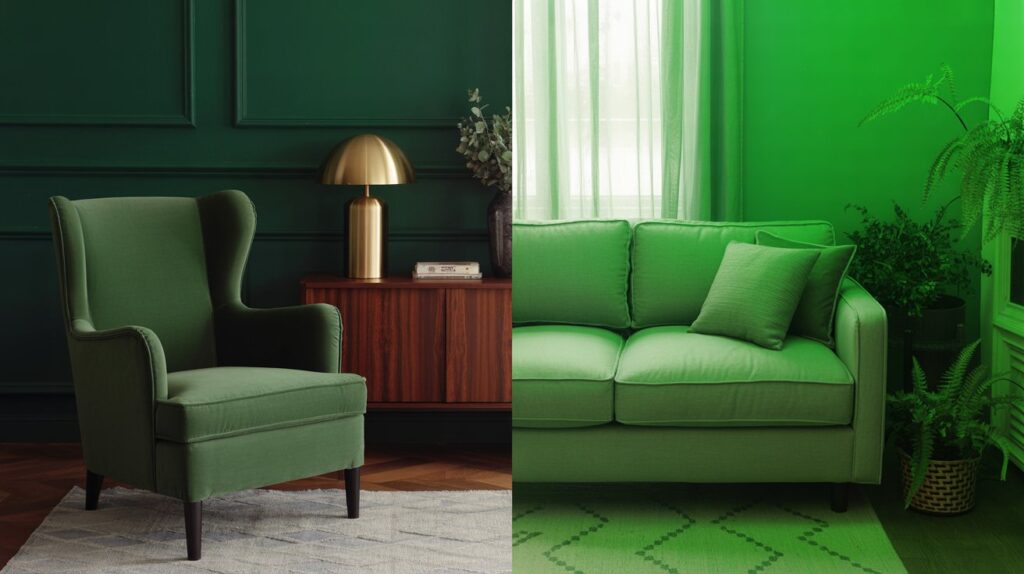
Your choice comes down to the mood you want to create. If you love bold, luxurious looks, hunter green is your go-to shade.
It brings sophistication and drama to any setting. For those who prefer soft, natural vibes, forest green is the better option. It feels calming and approachable.
Think about where you’ll use the color too. Formal spaces like offices, dining rooms, or upscale events call for hunter green.
Relaxing or everyday spaces like bedrooms, casual outfits, or family rooms work better with forest green. Match the shade to your lifestyle and the feeling you want.
Conclusion
Both hunter green and forest green are beautiful, deep shades, but they create completely different feelings.
Hunter green brings richness and drama with its darker tone and cooler undertones. Forest green offers warmth and calm with its natural, earthy quality.
The right choice really depends on what you’re trying to achieve. Think about the mood you want and where you’ll use the color.
Once you understand these differences, picking between them becomes simple. Trust your instincts and choose the shade that feels right for your space, style, or project.
Frequently Asked Questions
Is hunter green darker than forest green?
Yes, hunter green is typically darker and more saturated than forest green. It has a deeper, richer appearance that feels more dramatic and bold.
Can I use hunter green and forest green together?
Absolutely! These two shades complement each other well in design and décor. Just make sure to balance them with neutral colors to avoid overwhelming the space.
Which green is better for a calming bedroom?
Forest green is the better choice for a calming bedroom. Its softer, natural tone creates a peaceful atmosphere that helps you relax and unwind.
Does hunter green look good in small rooms?
Hunter green can work in small rooms if used strategically as an accent. Too much of this dark shade might make a tiny space feel smaller, so use it sparingly.
Which shade is more popular in fashion right now?
Both shades are popular, but hunter green has seen more use in high-end fashion lately. Forest green remains a favorite for casual, everyday wear and sustainable brands.
