

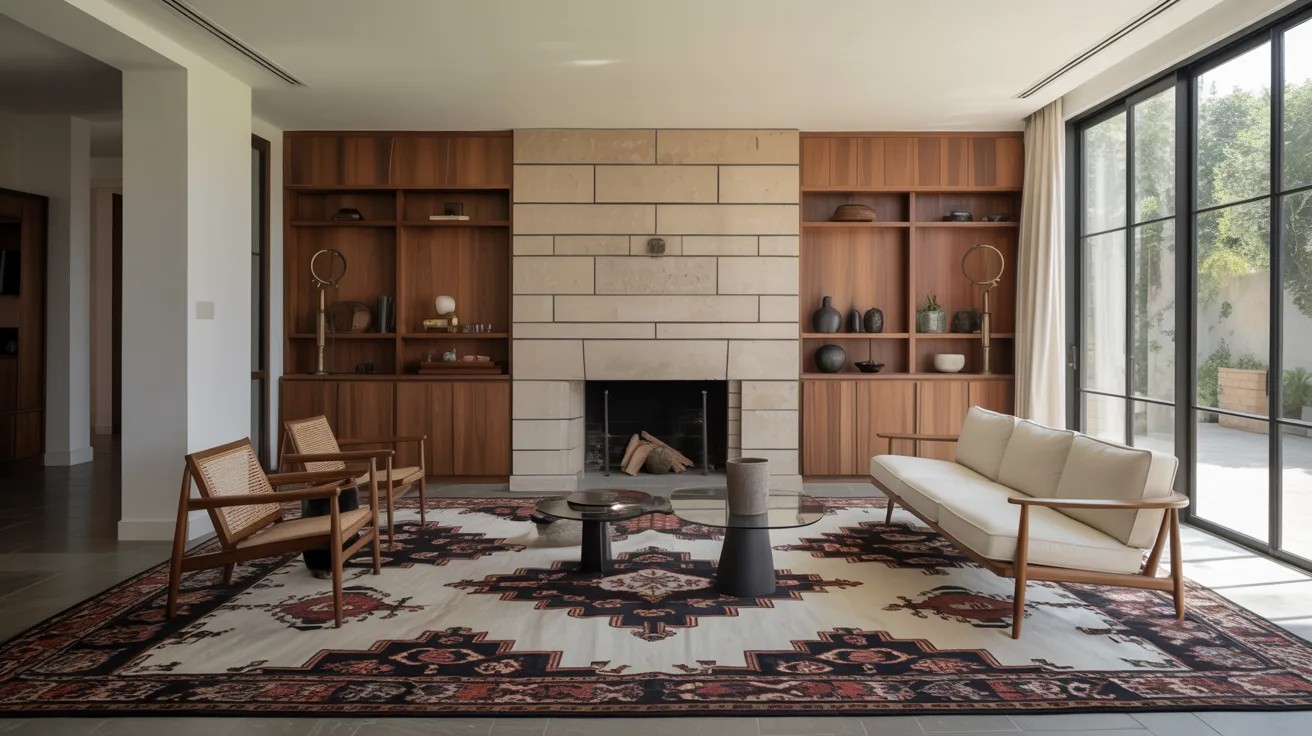
In new listings and renovation shows, details that used to read “grandma’s house” now look fresh once they’re scaled correctly and paired with simpler finishes. Discover how to bring traditional character into a modern home without making it feel like a period set.
Why Traditional Details Are Back in Modern Homes
Many contemporary homes feature open-plan and white walls. After a while, these started to feel stale and empty rather than unique and fresh.
Traditional elements give your home a little identity again. For instance, a Tudor style, which originated in the mid-1800s, offers a sense of history that stark modernism lacks. This comeback has a few key drivers:
- Homeowners want warmth and personality: Minimalism can be calming, but it can also feel a bit blank once you actually live there. Traditional trim and wood tones and classic shapes add warmth fast.
- Buyers keep rewarding “old-world” touches: When a home has a few classic details, it seems cared-for. A trimmed window or a built-in shelf conveys thoughtfulness. Even if the rest of the room stays clean and modern, you still get the charm.
- Traditional shapes often work better: An open concept is great until you try to store shoes or keep a toy pile from taking over the living room. Traditional layouts create zones and make storage feel intentional.
- Increased renovation fatigue: When trend cycles move fast, buyers start craving choices that can retain their appeal. Traditional elements usually age more gracefully. They feel familiar and steady, even when the room is simple.
The Modern Rules for Using Classic Elements
If you’re renovating an older home, you might already have quirks that hint at the past. It’s often easier to lean into these elements and modernize the finishes around them. Traditional details look great when they feel intentional, but they could look messy if they’re simply sprinkled everywhere.
Keep one or two hero details per room. This ensures that you get the traditional feel with the modern look. Match the detail to the room size. For instance, larger trim needs more visual breathing room. Repeat finishes on purpose to avoid accidental random mixing. For a modern upgrade, prioritize low-maintenance features such as durable flooring, moisture protection and easy-clean paints.
The easiest way to keep the space modern is with simpler profiles, calmer colors and leaving some negative space so that the room doesn’t feel overly busy.
Architectural Details You’re Seeing Again
Architectural details shape the room’s outline. They read as classic even when everything else in the space is modern.
Millwork is a big one. Clean panel molding can add depth without feeling fussy. Wider baseboards can look sharp if the profile stays simple. Ceiling detail is also regaining popularity, but usually in a toned-down way with slim beams, softer coffers, less carving and more structure.
If you want a low-risk starting point, start with one wall in your home. An accent wall with picture frame molding is a good example. Paint the frame the same color as the wall. That gives you shadow lines and dimension without making the room feel busy. It also helps you test the look before you commit to a whole floor.
Arches are also making a comeback. They soften boxy layouts and help a modern home feel less rigid. A simple drywall arch can do the job, so you don’t need an elaborate trim around it. Consistency matters much more here.
Built-ins might be the most practical classic detail of all. They feel traditional and solve real-life chaos like shoes, toys, books and tech lying around the house. A well-planned built-in makes the home feel more organized.
Surfaces and Materials That Blend Old and New
Surfaces set the mood before the furniture even arrives. Traditional styles tend to feature natural materials — such as wood, stone, ceramic and metal — while modern styles favor simplicity. The sweet spot is a natural texture paired with quiet finishes. Flooring and wall choices that hit the balance include:
- Wider wood planks in mid-tones can feel classic and current.
- Matte finishes hide scuffs and keep things grounded.
- Heritage patterns work best in one spot, like an entry, a bathroom or a dining nook.
- Paneling looks modern when it’s painted in the same color as the wall.
Kitchen and bathroom updates can feel fresh while maintaining charm. For example, shaker doors feel traditional, but slimmer rails make them feel modern. Classic tile layouts look fresh with calmer grout colors, and vintage-style fixtures can still be practical if the function is modern.
Specific Traditional and Modern Pairings That Work
Pairings are useful because they prevent overlayering. Choose one traditional anchor and a modern counterweight to maintain harmony in the home.
A few that work in real homes are crown moldings with flat-front cabinetry, a classic sconce with a simple mirror, a paneled wall with modern art or a traditional dining table with more contemporary chairs. You might also consider vintage-inspired wallpaper — on an accent wall or throughout an entire room — with up-to-date fixtures and appliances.
Remember that too many traditional elements can crowd a space. If a room starts to feel heavy, remove one decoration or piece of furniture.
The Reality Check on Budget and Maintenance
Choosing the right classic details can be affordable, but selecting the wrong ones can quickly increase costs. The smart approach is spending where craftsmanship shows and then saving where paint and consistency can do the work.
Invest in the carpentry you see every day, and apply moisture protection in kitchens and bathrooms. Save with paint-grade built-ins in secondary rooms, standard tile sizes and simpler layouts. Choose finishes you can easily touch up to save time and effort on maintenance.
Built to Last
Traditional elements are back because people want homes to feel human again. The modern strategy is to choose a few classic details, then execute them with cleaner lines and easier upkeep. Pick one traditional element you genuinely love and pair it with modern elements to achieve a home that feels easy to live in.
