

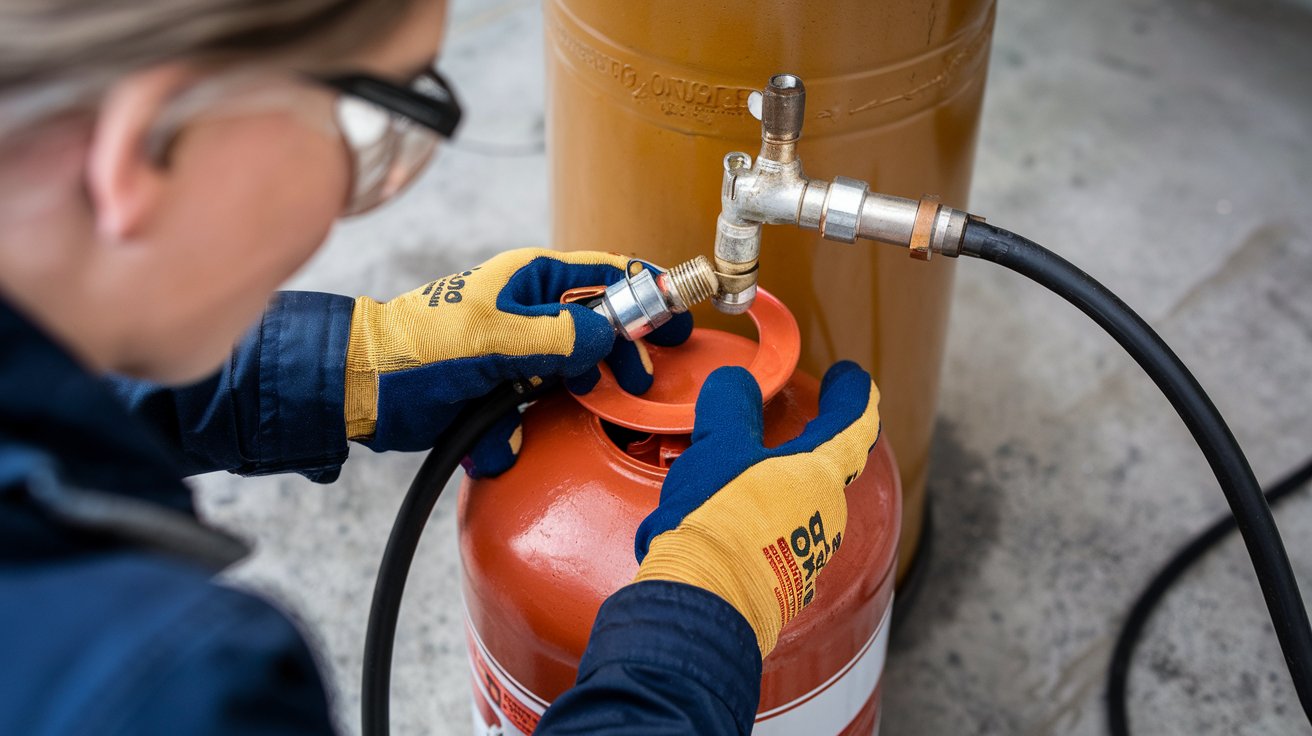
Propane is a dependable, clean-burning fuel used for anything from cooking and heating to powering appliances in RVs and distant homes. However, refueling your propane tank is not to be taken lightly. Whether you’re a homeowner, a camper, or someone who relies on propane on a regular basis, safety should always come first.
In this guide, we’ll show you how to securely refill your propane tank, what to expect at a propane filling station, and why hiring a professional service is a wise decision.
Why Propane Handling Is Essential
Propane is a pressure-stored liquefied petroleum gas (LPG). Mishandling propane can lead to serious consequences such as leaks, flames, and even explosions. Careful refilling:
- Prevents the tank from overfilling.
- There are no leaks.
- The device performs properly.
- You maintain compliance with safety rules.
Fortunately, a few simple steps can make the entire procedure safer and easier.
Detailed Instructions for Safely Filling Up Your Propane Tank
Examine The Tank For Damage Or Expiration
Make sure your tank is in good condition before you go to a propane filling station. What you should search for is as follows:
- External rust or corrosion
- Dents or cracks
- Leaky valves
- The certification stamp has expired
Do not try to refill your tank if it is damaged in any way. Bring it to a professional to be inspected, or exchange it for a replacement.
Transport The Tank Securely
When carrying your propane tank:
- Ensure it is upright every time
- To prevent it from toppling over, secure it with straps
- Never keep a propane tank in a heated or enclosed car for too long
- If you have to move it by car, crack the windows slightly open
These basic actions help to prevent pressure buildup and unintentional valve discharge.
Select A Certified Propane Filling Station
Always select a recognized propane filling station run by skilled specialists. Qualified technicians can:
- Inspect and cleanse tanks as necessary.
- Connect the filling lines safely.
- Fill to the appropriate level (often 80% to allow for gas expansion).
Never try to refill a propane tank if you are not certified and do not have professional-grade equipment.
Stay Clear Throughout the Filling Process
When you arrive at the station, the technician will do the refilling. Keep an appropriate distance from them and let them work. Propane can cause frostbite when in contact with the skin thus, it’s best left to the professionals.
Here’s what they normally do:
- Check the tank’s certification and condition.
- Measure the tank or utilize volume gauges.
- Release the bleeder valve to guarantee safe fill levels.
- Fill the tank to 80% capacity.
This “80% rule” allows for expansion, avoiding overpressure situations, particularly on hot days.
Examine For Leaks After Refilling
After refilling your tank, perform a simple leak check at home before usage.
- Mix a small amount of dish soap with water and apply to the valve and connectors.
- Open the valve gently if bubbles appear, you have a leak.
- Tighten all fittings or return the tank for inspection.
- Never use a flame to detect leaks. A basic soapy solution will perform the job safely.
Where to Refill: Locate a Propane Filling Station Near You
If you’re wondering, “Where’s a propane filling station near me?”, you’re not alone. Many propane customers are looking for both ease and reliability.
Fortunately, many local air conditioning and heating companies provide propane refill services as a part of their energy solutions. These businesses are already licensed to manage fuel and HVAC systems, which makes them a safe and reliable option.
Here are some frequent places where you can refill your propane tank:
- HVAC or heating fuel companies
- Hardware stores (such as Ace and True Value)
- Outdoor Supply Stores
- Separate propane depots or gas stations
- Gas stations offering propane service
- Ensure that the location has trained staff and noticeable safety signage.
Additional Tips for Propane Tank Safety
Following a proper refill, how you manage and keep your propane tank is important:
- Store outside in a well-ventilated place, never indoors.
- Keep it erect and stable.
- Keep clear of fire, sparks, and heat sources.
- Unless you have received training, do not modify valves or regulators.
- If you use propane for interior appliances such as heaters, stoves, or water heaters, have a carbon monoxide monitor in your home.
The Relationship Between HVAC Services and Propane
You may be surprised to learn that numerous AC and heating companies also service propane systems. Propane is commonly utilized for:
- Home heating systems
- Water heaters
- Backup generators
- Dual-fuel HVAC systems
Picking an HVAC provider that provides propane refills ensures you have a partner who understands everything that’s involved, from fuel delivery to temperature management. If your system is acting up or you’re running low on propane, these experts can typically resolve both concerns in one visit.
Conclusion
Refilling your propane tank is simple, but it requires attention to safety and the right service provider. By examining your tank, selecting a certified propane filling station, and adhering to correct transport and storage standards, you may enjoy safe propane use.
If you want convenience and peace of mind, try visiting a local AC and heating company near me that provides propane service. Not only will your tank be securely filled, but you will also receive expert advice on how to manage your entire heating and fuel system.
Stay safe, stay fueled, and reap the numerous benefits of propane done correctly.
