

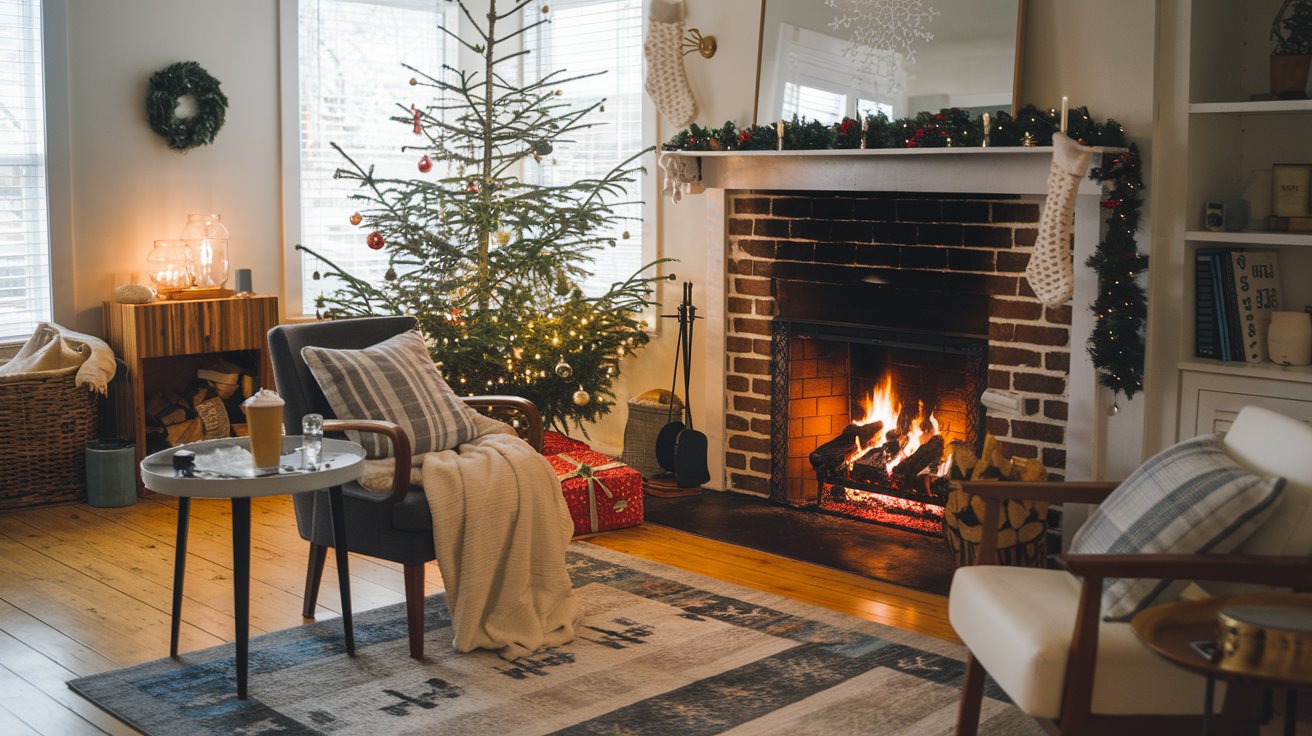
The colder months bring a familiar dilemma: you must maintain comfortable indoor temperatures whilst managing escalating energy bills. Instead of simply cranking up the thermostat and accepting higher costs, you can employ strategic improvements and smarter habits to reduce heat loss. These practical measures benefit you regardless of whether you live in a draughty Victorian terrace or a modern apartment, though your starting point varies considerably depending on the property’s age. By understanding how heat moves through your home, you gain control over your environment and your bank balance.
Understanding Your Home’s Thermal Efficiency
Older properties typically lose heat through inadequately insulated walls, floors, and roofs, which are areas where building standards have evolved drastically over recent decades. You will find that proper insulation can save households up to £355 annually on heating bills. In contrast, if you live in a modern new home built to current UK Building Regulations, you benefit from high-performance insulation, advanced glazing, and improved airtightness that lower thermal losses from the outset. Understanding your specific property’s vulnerabilities allows you to target improvements that deliver the maximum impact. While professional thermal imaging surveys identify exactly where heat escapes, you can often rely on educated guesswork based on the construction era.
For instance, if your home dates from before the 1920s, you likely have solid walls that breathe but leak heat, whereas post-1930s houses generally feature cavity walls that you can insulate relatively cheaply. Prioritising loft insulation to the recommended 270 mm depth typically offers the best return on investment for older properties, as heat rises and uninsulated roof spaces haemorrhage warmth. You should check your loft hatch as well fitting an insulated cover prevents the warmth you pay for from vanishing into the rafters.
Beat the Draughts: Quick and Cost-Effective Fixes
Air leaks around windows, doors, letterboxes, and gaps beneath skirting boards allow cold air infiltration whilst warm air escapes, meaning you essentially heat the outdoors. Draught-proofing represents one of the most cost-effective improvements you can make. Purchasing inexpensive draught-excluding strips, brush seals, and expanding foam filler from hardware shops allows you to perform DIY installations that deliver immediate warmth improvements. You can attach brush strips along the bottom edges of external doors to stop icy currents, whilst applying secondary glazing film on single-pane windows adds an insulating air layer that acts as a thermal buffer.
Unused fireplaces require attention too, and installing chimney balloons prevents substantial heat loss up the flues. Do not overlook less obvious culprits like extractor fans, keyholes, and cat flaps, all of which compromise your thermal barriers when you seal them inadequately. You might also notice gaps between floorboards in older homes filling these with flexible silicone or dedicated filler strips stops cold air from rushing up from the void foundation below.
Harnessing Solar Gain and Window Management
You can significantly reduce your heating load by actively managing how your windows interact with the sun. South-facing windows act as passive solar collectors, allowing short-wave solar radiation to enter your home and warm the surfaces inside. Keeping curtains and blinds open in these rooms during daylight hours lets you harvest this free energy, even on crisp winter days. Once the sun sets, however, glass becomes a liability, transforming into a cold bridge that sucks heat out of the room. Closing your curtains immediately at dusk traps the heat you gathered during the day.
To maximise this effect, you should consider the material of your window treatments. Heavy, thermal-lined curtains that fall all the way to the floor create a seal that reduces airflow against the cold glass. If your curtains hang over a radiator, tucking them behind the heat source directs warmth into the room rather than trapping it against the window pane.
Optimise Your Heating System
Even efficient homes waste energy through poorly maintained heating systems. Booking an annual boiler service with a Gas Safe registered engineer guarantees safe, efficient operation whilst maintaining manufacturer warranties. Regular maintenance prevents efficiency degradation that costs hundreds annually, such as bleeding radiators whenever cold spots appear at the top of the panel. Here, trapped air prevents hot water from circulating properly, forcing your boiler to work harder to achieve the same temperature. You can fix this easily with a radiator key: turning the valve slightly until you hear a hiss releases the air, and you simply close it again when water begins to trickle out.
Installing thermostatic radiator valves (TRVs) allows you to control the temperature room-by-room, avoiding the waste inherent in heating unused spaces. For example, keeping your bedroom cooler than your living room saves energy without compromising comfort. Consider upgrading to smart thermostats that offer scheduling and remote control, enabling you to optimise heating patterns around your actual occupancy rather than heating an empty house.
Refining Boiler Settings for Efficiency
Beyond simple maintenance, you can often tweak your boiler’s settings to achieve higher efficiency without buying new hardware. Most modern combi boilers have a ‘flow temperature’ setting, which dictates the temperature of the water leaving the boiler unit to travel to your radiators. Installers often leave this at default factory settings of 70°C or 80°C, which prevents the boiler from ‘condensing’, the process where it recovers heat from exhaust gases. By lowering the flow temperature on the boiler’s front panel to around 60°C or even 55°C, you ensure the system runs in condensing mode, which operates significantly more efficiently. Your radiators will feel cooler to the touch and the house might take slightly longer to warm up, but the boiler will burn less gas to maintain the same room temperature once reached.
Interior Layout and Thermodynamics
The way you arrange your furniture and decor influences how heat distributes itself throughout a room. Placing large items like sofas or beds directly in front of radiators blocks the convection current, effectively trapping heat where it cannot circulate. Moving furniture just a few inches away from the heat source allows warm air to rise and move into the centre of the room. Furthermore, if you have hard flooring such as wood, laminate, or tile, you lose heat through conduction. Covering these surfaces with thick, high-pile rugs provides an insulation layer for the floor and prevents your feet from feeling the chill, which improves your perception of warmth.
Managing Humidity and Ventilation
It sounds counter-intuitive, but you must ventilate your home to keep it warm. Daily activities like cooking, showering, and drying clothes indoors generate significant moisture, creating humid air that is harder to heat than dry air. Damp air effectively saps heat from your body and encourages mould growth on cold walls. Using extractor fans in bathrooms and kitchens, or opening windows for five to ten minutes a day creates a ‘cross-draught’ that purges stale, wet air and replaces it with drier outdoor air. This fresh, dry air requires less energy to heat up, making your heating system more effective. You should avoid drying clothes on radiators, as this pumps moisture directly into the air and forces your boiler to work harder to overcome the cooling effect of evaporation.
Personal Comfort and Micro-Heating
Finally, shifting your focus from heating the entire volume of air in your house to heating the human occupants can yield massive savings. Wearing thermal base layers or wool jumpers creates a micro-climate next to your skin that retains body heat far better than cranking the thermostat up by a degree. Modern electric heated throws or blankets cost pennies to run per hour compared to the pounds it costs to run central heating. Using these devices allows you to lower the main thermostat while staying perfectly warm while you sit on the sofa or work at a desk.
Strategic improvements to insulation, draught-proofing, and heating system efficiency reduce winter energy consumption regardless of your property’s age.15 Whether you are upgrading older housing stock or maximising performance in well-insulated new builds, these practical measures deliver tangible comfort improvements whilst controlling escalating energy costs effectively.
