

I know how frustrating it is when you turn on the shower and hear that awful squealing sound.
You just want a peaceful moment, but instead you get a sharp whistle that ruins everything. I’ve dealt with this in my own bathroom, and I’m here to help you solve it for good.
In this guide, I’ll walk you through how to fix high-pitched noise from the shower step by step.
We’ll cover what causes the sound, seven practical fixes you can try yourself, and when you should call a plumber. Most of these solutions are simple and work fast.
I’ve spent years helping homeowners fix plumbing problems. Trust me when I say most shower noise issues can be solved without expensive repairs.
Let’s get your shower quiet again.
What Is a High-Pitched Noise from the Shower?
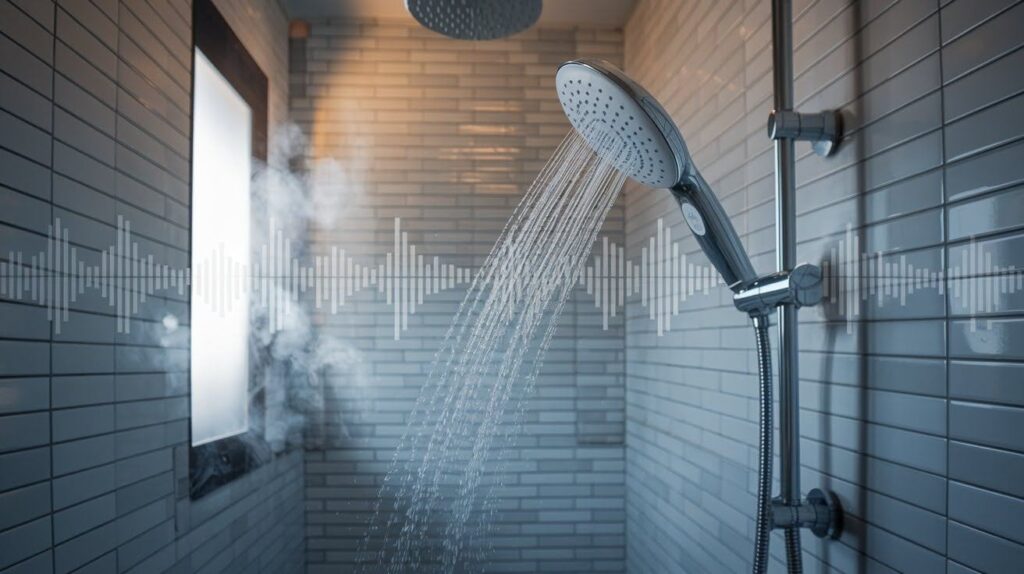
This section explains the whistling sound you hear and why it happens in your shower.
Water makes a high-pitched noise when something blocks or restricts its flow. The sound comes from vibrations inside your pipes, valves, or showerhead parts.
It’s like blowing across a bottle top. When water squeezes through tight spaces, it creates that sharp tone.
The noise happens when air, pressure, or friction builds up inside narrow openings. Mineral deposits clog your showerhead. Worn parts lose their seal. Water pressure spikes or drops suddenly.
A quick squeal when you first turn on the water is normal. But if the noise continues or gets louder, something mechanical is failing or your water pressure needs adjustment.
Understanding the Causes Behind the Noise
Several common issues trigger shower whistling, from mineral buildup to faulty valve parts.
Hard water leaves mineral deposits that block your showerhead holes. Washers, valves, and seals wear down and lose their grip over time.
Water pressure that’s too high or keeps changing makes pipes vibrate. Air gets trapped in your plumbing lines after repairs or seasonal shutdowns. Loose fixtures rattle against their connections.
Mineral buildup causes about half of all shower noise complaints. Old washers that need replacing are the second most common issue. Both are easy to fix yourself.
How to Fix High-Pitched Noise from Shower
Seven proven methods to stop shower squealing, from basic cleaning to fixture replacement.
1. Clean the Showerhead Thoroughly
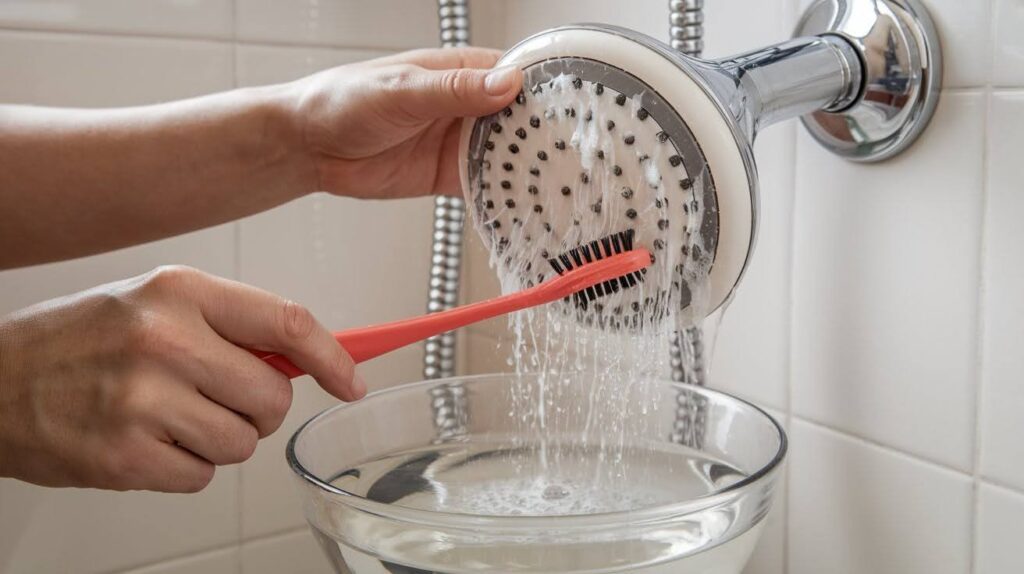
Minerals from hard water create blockages that force water to take different paths, causing whistling.
Twist off your showerhead. Mix equal amounts of white vinegar and water in a bowl. Soak the showerhead for four to six hours.
Scrub the nozzle openings with an old toothbrush. Rinse well, screw it back on, and test.Clean your showerhead every three to six months to prevent noise and extend its life.
2. Inspect and Replace Washers, Seals, or Fittings
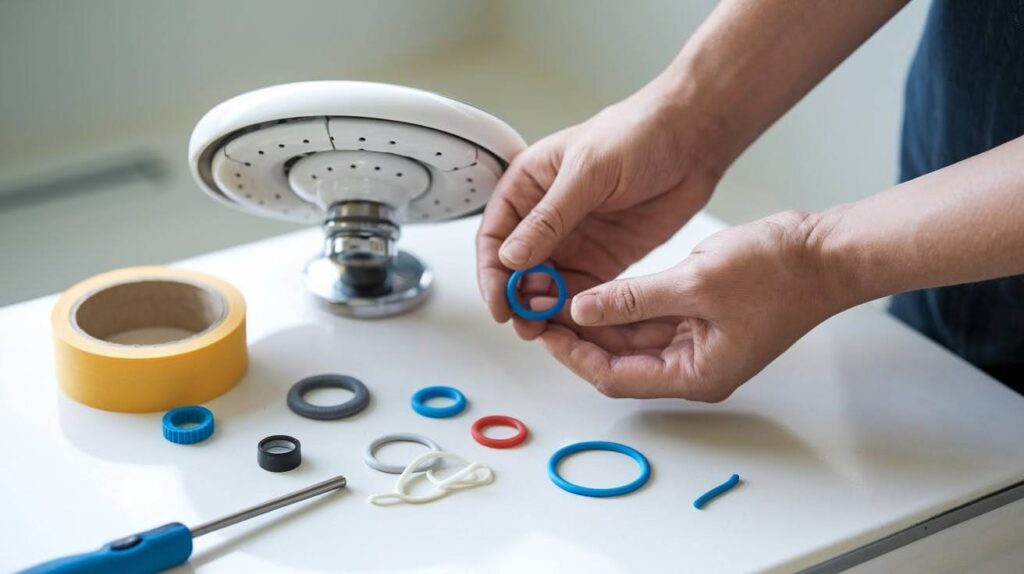
Rubber washers and O-rings get old and brittle under constant water pressure. They crack or flatten out, creating tiny gaps where air sneaks in and causes squealing.
Turn off the water. Remove the faceplate and check the washers and O-rings inside. Replace any that look cracked, flat, or worn. Wrap the threads with plumber’s tape before reassembling.
This simple fix costs less than five dollars and takes ten minutes.
3. Check and Regulate Water Pressure
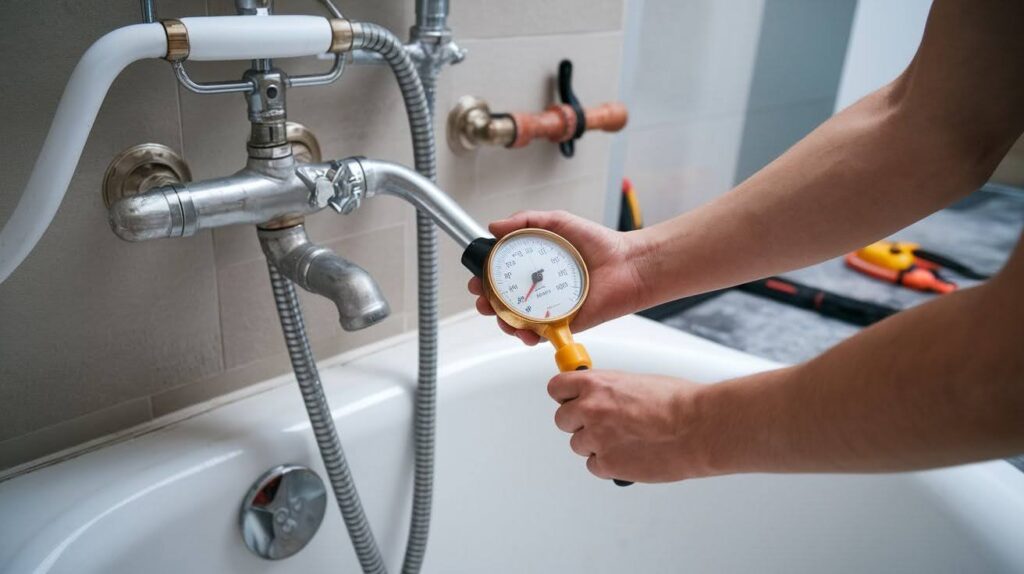
High water pressure makes water rush through pipes too fast, creating vibration and noise.
Buy a water pressure gauge at any hardware store. Screw it onto an outdoor faucet and check the reading. Good pressure falls between 40 and 60 psi. Anything over 70 psi is too high.
If your pressure is above 70 psi, install or adjust a pressure-reducing valve near your water meter.
4. Examine the Shower Valve or Cartridge
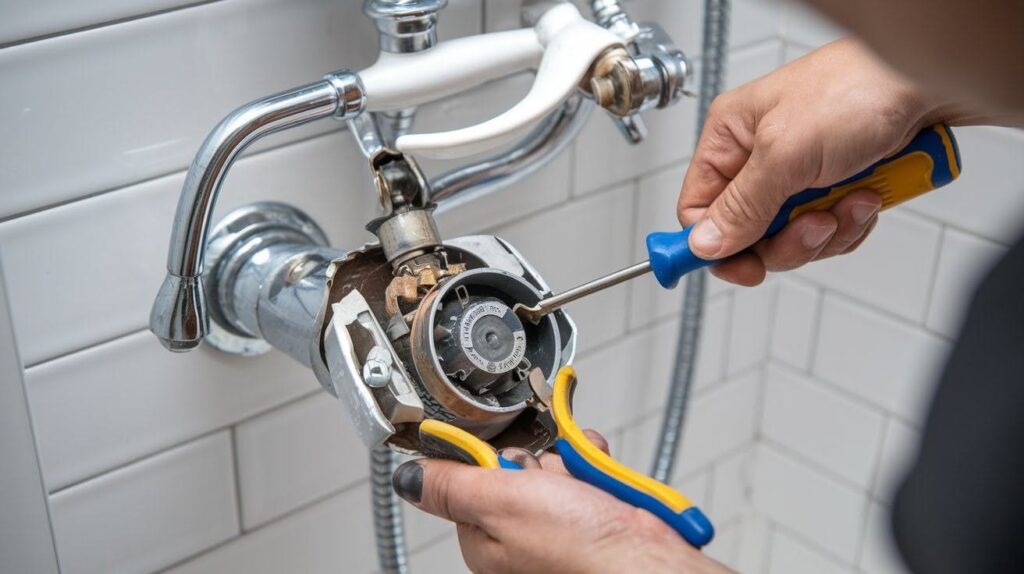
The valve mixes hot and cold water. When it gets worn or clogged with minerals, it creates turbulence that sounds like screeching.
Shut off the water supply. Remove the shower handle and pull out the cartridge. Clean it with vinegar or replace it with a new one. Reassemble everything.
If the noise continues after replacement, call a plumber to check deeper plumbing issues.
5. Flush Out Air and Debris from the Plumbing
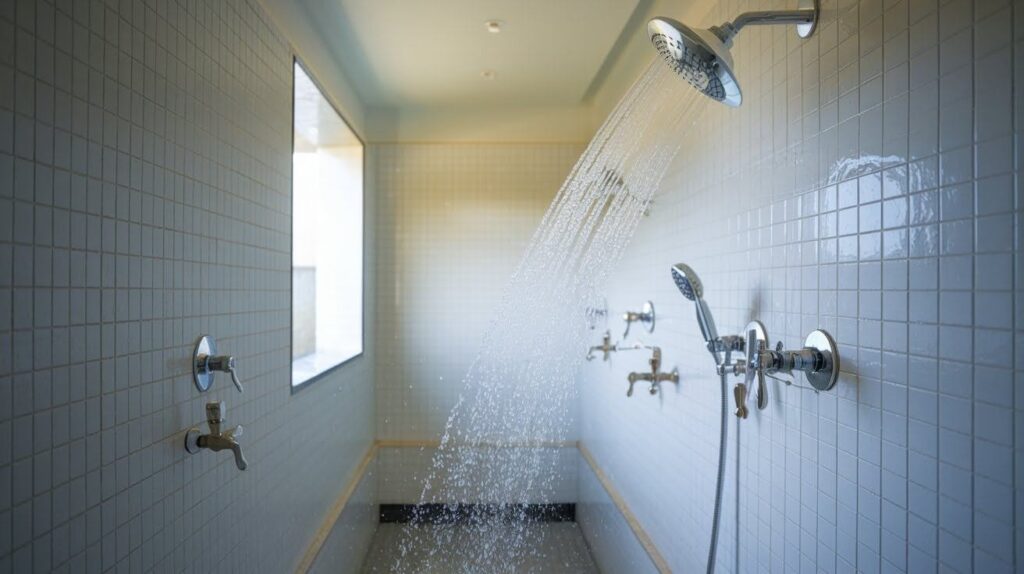
Air trapped in your pipes breaks up water flow, causing vibration and that high-pitched sound.
Make sure all faucets are off. Turn your shower to full blast and let it run for two to three minutes. Then turn on other faucets one at a time. This forces air out and stabilizes water flow.
Do this after plumbing work or when pipes sit unused for a while.
6. Replace Outdated Fixtures
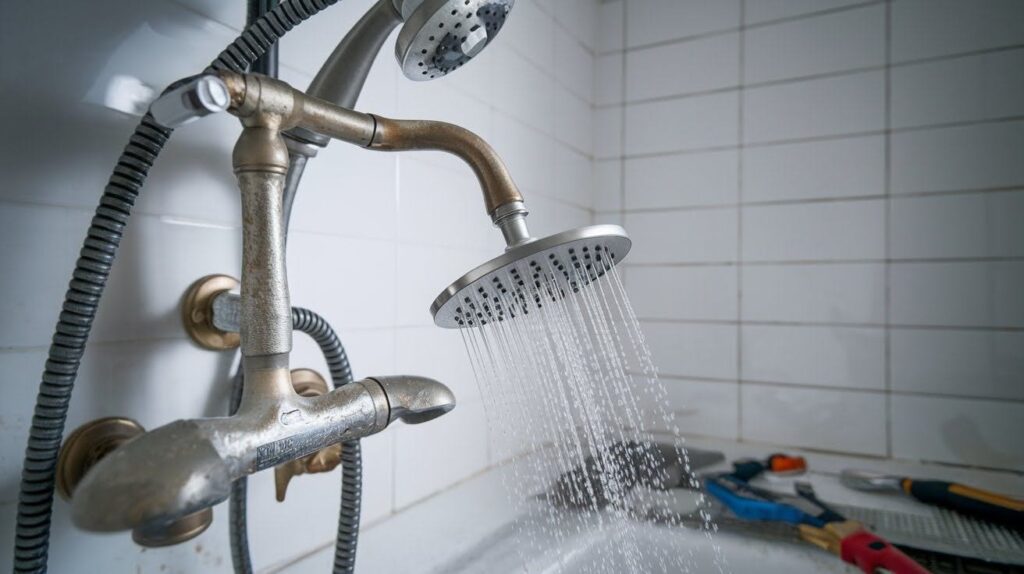
If cleaning and pressure adjustment don’t stop the noise, your showerhead might be too old. Look for rust, corrosion, or small leaks around the connection.
Look for models labeled as quiet, pressure-balanced, or anti-whistle. Check that the new fixture works with your home’s water pressure range.
A quality showerhead often solves persistent noise problems.
7. Address Plumbing or Pipe Design Issues
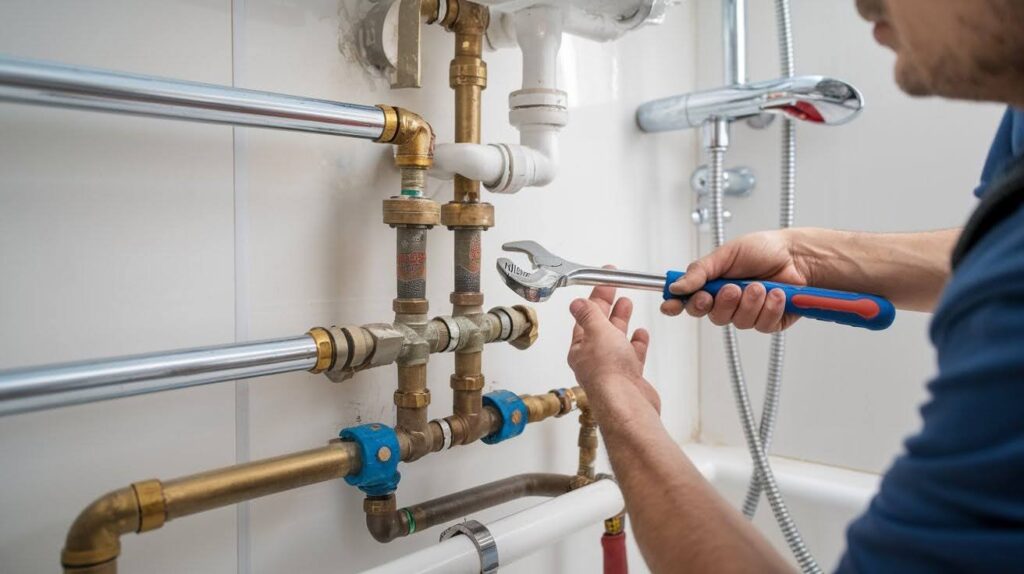
Sometimes loose pipes rattle inside your walls. Pipes that are too narrow create excess pressure. Old materials vibrate more than modern ones.
Check exposed pipes in your basement or crawl space. Add pipe clips to secure them. Wrap pipes with foam insulation sleeves to dampen vibration.
For homes built before 1980, get a professional inspection. Old galvanized pipes or undersized lines often cause persistent noise.
When to Call a Professional
Know when DIY fixes aren’t enough and you need a plumber’s expertise.
Call a plumber if the whistling continues after multiple fixes. Water pressure that changes randomly throughout your house needs professional attention.
Banging or rattling pipes signal deeper issues. Rust or corrosion on visible pipes means it’s time for expert help.
A plumber can replace hidden valves, balance system pressure, and use ultrasonic equipment to find leaks.
They can also descale your system or install water softeners for hard water problems.
Community Insights on Addressing High-Pitched Shower Noise
Real homeowners share what actually worked for them and common mistakes to avoid when fixing shower noise.
Most homeowners say cleaning the showerhead solved their problem. One person soaked theirs in vinegar overnight and the whistling stopped.
Online forums recommend checking washers first. A two-dollar washer often fixes major noise issues. Start with the simplest solution.
Read reviews about noise levels before buying a new showerhead. Check pressure ratings to match your system.
Common mistakes include overtightening connections and skipping plumber’s tape. Always turn off the water before starting repairs.
Test water pressure before replacing parts. One homeowner saved hundreds by installing a pressure valve instead of replacing the entire system.
Preventive Maintenance Tips
Simple habits keep your shower quiet and your plumbing healthy for years.
- Clean your showerhead with vinegar every few months to stop mineral buildup before it causes problems
- Check your washers and seals once a year for signs of wear
- Keep an eye on your water pressure with quick gauge checks
- Use a filter or water softener in areas with hard water to reduce minerals that clog fixtures and pipes
- Schedule a plumbing checkup once a year so a professional can catch small issues before they become expensive repairs
I keep a small bottle of vinegar under my bathroom sink just for showerhead cleaning. It takes five minutes and saves me from listening to that awful squeal.
Conclusion
I’ve fixed this same squealing problem in my own home, and I know how much better it feels when your shower is finally quiet again.
Most of these fixes take less than an hour and cost almost nothing. Start with cleaning your showerhead and checking those washers. Those two steps solve most cases.
Don’t ignore the noise. It’s telling you something needs attention before it becomes a bigger problem.
Have you dealt with shower noise before? Drop a comment below and share what worked for you. I’d love to hear your story.
Frequently Asked Questions
Why does my shower make a high-pitched noise only sometimes?
The noise might happen when water pressure fluctuates in your home. This often occurs when someone uses water elsewhere, like flushing a toilet or running the dishwasher. It can also happen if air is trapped in your pipes after plumbing work.
Can high water pressure damage my shower beyond causing noise?
Yes, excessive pressure wears out washers, seals, and valve components much faster. It also stresses your entire plumbing system. This leads to leaks, burst pipes, and shortened fixture lifespan throughout your home.
How do I know if mineral buildup is causing the whistling?
If you live in an area with hard water and haven’t cleaned your showerhead recently, minerals are likely the culprit. White or greenish deposits around nozzles confirm this. Soaking the showerhead in vinegar should reduce or stop the noise.
Is it safe to use my shower if it makes a screeching sound?
The shower is safe to use, but the noise indicates a problem that needs fixing. Ignoring it can lead to more serious plumbing damage. Address the issue soon to prevent costly repairs later.
Should I replace my entire shower valve or just the cartridge?
Start by replacing just the cartridge, which is cheaper and easier. If the noise continues after cartridge replacement, the entire valve body might be corroded or damaged. A plumber can help you decide if full replacement is necessary.
