

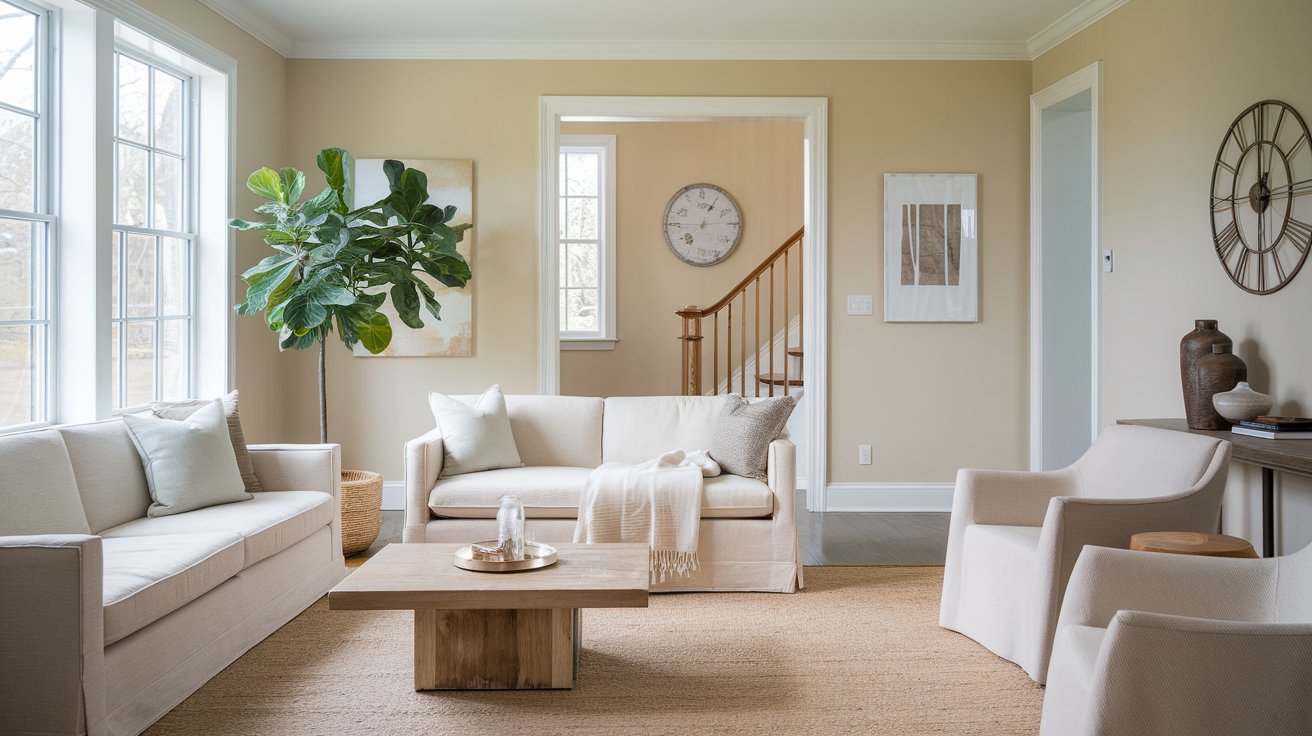
The appeal of a slower home has grown noticeably in recent years. Many people want rooms that don’t demand attention but quietly support calmer routines a gentle morning, a moment to decompress after work, or even a spontaneous nap on a lazy afternoon.
Interiors are shifting away from sharp outlines and hard finishes, leaning instead toward pieces that welcome softness, warmth and a feeling of being held. This comfort-led approach isn’t just aesthetic it reflects the desire to create homes that restore energy rather than drain it.
A Home That Encourages Rest
Nap-friendly design has become something of a movement. Sofas with deeper seats, chaise sections that invite a stretch-out, and armchairs with rounded silhouettes are appearing everywhere. The curves feel kinder on the body, and the proportions suit lingering rather than perching. Textiles play their part too. Boucle, brushed cotton, and thick wools introduce a marshmallow-like texture that gently dulls the sensory noise of a busy day.
In many homes, flooring is chosen with cushioning in mind. Thicker underlays beneath carpets or softer-toned parquet flooring with a large rug layered over the top create spaces where bare feet feel instantly relaxed. These choices are rarely the headline feature of a room, but their effect is profound: quieter footsteps, warmer surfaces, and a subtle invitation to slow down.
The Appeal of Cocooning Rooms
Cocoon-like rooms are not about shrinking the space but adjusting its atmosphere. Softer edges, layered textiles, and a mix of light sources help create an enveloping mood. Think of a small sitting room where the walls are painted in a gentle clay shade, the sofa curves slightly inward, and the herringbone flooring is softened with a textured rug that anchors the whole scheme. The way the light sits in the room, not too strong and not too dim, matters just as much as the furnishings.
This type of space often incorporates dimmable lighting or smart bulbs that shift colour temperature. Cooler tones for morning clarity, warmer tones for evening unwinding. A bedside lamp with a linen shade or a reading corner with a shaded floor lamp has a similar effect, offering pockets of light rather than blanket brightness. These subtleties encourage calmer rhythms throughout the day.
Why the Marshmallow Mood Is Growing
The cultural tilt toward comfort is impossible to ignore. Many people spend more time at home now, often juggling work and personal life in the same space. Interiors are adapting to this blended lifestyle by offering more tactile comfort. A cloud-like throw on the sofa or a quilted bedspread that feels substantial without being heavy carries a certain reassurance.
There’s also a psychological pull. Rounded shapes, for instance, are known to feel less threatening and more nurturing than sharp angles. Natural materials tend to age gently and bring a sense of ease. Even small tweaks, such as adding a padded bench to a hallway or choosing a thick pile rug under a reading chair, shift the experience of a room toward something calmer and more forgiving.
Designing for Slow Mornings
Slow mornings aren’t necessarily about long lie-ins. They’re about removing friction from the early hours. A kitchen with warm underfoot surfaces feels more welcoming at sunrise. A bedroom with blackout curtains and a layered bed offers a smooth transition between sleep and wakefulness. In living areas, deeper seating paired with a side table for that first cup of tea creates a micro-routine that makes mornings feel less rushed.
Colour also plays a quiet but important role. Gentle creams, oat shades, muted greens and the occasional rust or plum accent echo the softer pace these interiors champion. When natural light catches these tones in the early morning, the atmosphere becomes instantly calmer. Incorporating greenery helps too. A trailing plant on a shelf or a potted olive tree near a window brings a sense of life without overwhelming the room.
Bringing It All Together
A home designed for rest and recovery doesn’t need to be uniform or overly styled. It simply needs to encourage ease. Focusing on a few key elements creates an environment that feels restorative day after day. Some people begin with a single corner: a reading nook with a plush rug, a curved chair, and lighting that flatters the space. Others take the idea room by room, gradually replacing sharper elements with softer alternatives.
The result is a home that gently guides its occupants into slower habits. A place where early mornings feel a little kinder, evenings unwind more easily, and the everyday hustle is softened by spaces that genuinely care for the body and mind.
