

If you’re starting a home renovation or construction project, selecting the incorrect dumpster size can result in overflowing containers, additional fees, or repeated trips to the disposal site. This HaulStar Dumpster guide offers a comprehensive overview of dumpster fundamentals and types, demonstrates how to estimate waste for common tasks such as kitchen remodels, explains precise volume calculations, explores popular sizes from 10 to 40 cubic yards, evaluates essential factors, and provides professional tips to avoid costly mistakes. Are you ready to make the right choice for your rental?
What Is a Dumpster and Why Does Size Matter?
If you’re undertaking a home cleanout, remodeling, or construction project, you may have considered renting a dumpster. But do you fully understand what it entails and why the size selection is so necessary?
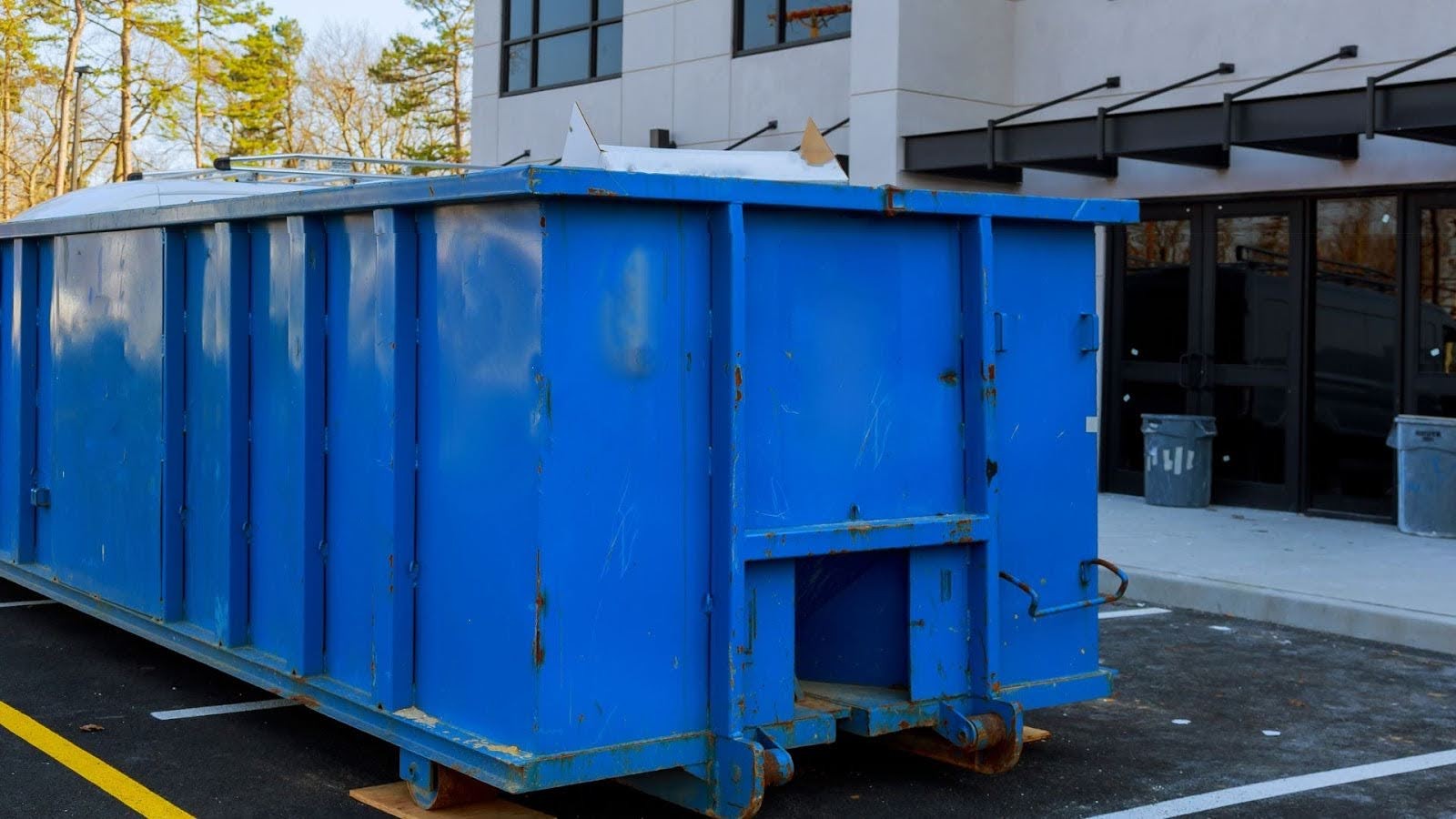
A dumpster is essentially a durable, open-top waste container, often a roll-off model, delivered by a rental service directly to your site to manage debris from tasks like roofing, landscaping (such as removing Tree Stumps), or general trash removal.
The size plays a pivotal role, as it determines the cubic yard volume and weight capacity. An incorrect choice can result in extra trips, elevated fees, or even safety risks from overloading.
For example, a smaller dumpster might handle just a few pickup truck loads. At the same time, a larger one can accommodate substantial amounts of trash or heavy materials with ease. By selecting the right dumpster size, you ensure your project runs efficiently, free from avoidable complications or additional costs.
What Are the Basic Types of Dumpsters?
When discussing dumpsters, the primary types are Roll Off Dumpsters, which are designed for construction sites, and front-load dumpsters, intended for routine trash collection in residential areas.
Consider a major renovation project: roll-off dumpsters excel in such scenarios, accommodating construction debris such as broken Concrete, Bricks, and lumber with their open-top design that facilitates efficient loading by trucks or machinery. In contrast, for managing everyday household waste, front-load dumpsters integrate smoothly into operations, as they are regularly emptied by municipal services without the need for on-site delivery.
- Roll-off dumpsters are suited to heavy-duty projects, typically ranging from 10 to 40 cubic yards, making them ideal for contractors.
- Front-load dumpsters, generally 2 to 8 cubic yards in capacity, are appropriate for commercial settings like restaurants, supporting compact and frequent pickups in compliance with local sanitation regulations.
Each type addresses varying levels of waste management needs, from large-scale construction to everyday tasks. With that in mind, how might one determine the best option for a specific project?
How to Assess Your Project’s Waste Needs
Assessing your project’s waste needs requires an organized process, much like conducting a thorough investigation into the debris you’ll generate.
This helps you determine the volume and type of trash from activities such as home cleanouts, estate sales, remodeling, roofing, construction, or landscaping, ensuring you avoid unexpected messes or additional expenses.
Begin by evaluating the overall scope of your work: a straightforward spring cleaning may only require space for bags of old clothing, furniture, toys, or mattresses, whereas a complete home renovation could produce substantial amounts of siding, drywall, and carpeting that accumulate in both volume and weight.
Take into account whether the materials are lightweight, like Yard Waste, or heavy debris that could strain the capacity of your dumpster, potentially necessitating multiple pickup truck loads if not planned carefully.
By methodically breaking down these factors, you can select a rental dumpster that aligns precisely with your requirements, preventing overloads or underestimations that might delay your project.
This initial assessment forms the basis for subsequent decisions, including the appropriate size selection and scheduling of pickups.
How Much Waste Does a Typical Home Renovation Produce?
A typical home renovation project can generate a substantial amount of waste, often amounting to several cubic yards of construction debris, such as discarded siding, hardware, fixtures, chunks of drywall, and removed carpeting or flooring.
Consider this: as you undertake a kitchen update or refresh your home’s exterior, the process can unexpectedly produce construction debris in greater quantities than anticipated. For example, demolishing the drywall in a standard room might produce about 1 to 2 cubic yards, while removing flooring could contribute another cubic yard or so of scraps.
To accurately assess the waste volume for your project, begin by measuring the relevant space and referencing standard generation rates this straightforward calculation enables effective planning for dumpster rentals or recycling options.
How to Calculate Waste Volume Accurately?
Calculating the volume of waste accurately is a straightforward process: measure the length, width, and height of your debris pile in feet, multiply those dimensions to obtain cubic feet, and then divide by 27 to arrive at cubic yards. This method allows you to equate it to familiar quantities, such as the number of pickup truck loads or trash bags required.
With these measurements in hand, you can visualize your pile alongside everyday objects for a better perspective for instance, a standard pickup truck bed typically accommodates about 2-3 cubic yards, meaning a total of 6 yards would equate to roughly two full loads. For more precise guidance, use a tape measure and sketch a simple diagram. Multiplying length by width by height yields the volume in cubic feet, and dividing by 27 provides a seamless conversion to cubic yards, the standard unit for trash volume.
- Step 1: Clear the area and measure the base dimensions precisely, taking care to exclude any loose or soft materials like leaves.
- Step 2: Determine the height from the ground to the peak, rounding up for irregular shapes for scale, consider that a typical refrigerator occupies about 20 cubic feet.
- Step 3: Multiply the length by the width by the height, then divide by 27, using straightforward arithmetic that helps estimate equivalents, such as how many 30-gallon bags (each about 0.1 cubic yards) would be needed to fill it.
However, construction debris can accumulate at much higher rates. This calculation naturally informs the selection of an appropriate dumpster size, ranging from 10-yard containers for smaller projects to 40-yard units for extensive cleanups.
Common Dumpster Sizes Available
Guiding the collection of common dumpster sizes can seem daunting at the outset, but familiarizing yourself with the standard options, such as the 10-Yard Dumpster, 20-Yard Dumpster, 30-Yard Dumpster, and 40-Yard Dumpster, measured in cubic yards, makes it straightforward to select the right one for your project. These sizes accommodate a wide range of needs, from minor cleanouts to large-scale construction endeavors, each with distinct capacities for debris volume and weight for instance, a 10-yard dumpster might suffice for a simple roofing repair, whereas a 40-yard unit could manage the substantial waste from a full home renovation.
Reputable providers, like HaulStar Dumpster Rental service, typically offer these roll-off dumpsters, complete with customized delivery and pickup schedules to align with your timeline. Gaining this understanding helps you steer clear of common errors, such as choosing a container that’s too small and necessitating multiple trips, or one that’s excessively large, leading to unnecessary costs and space usage.
Finally, this informed procedure allows you to choose the ideal dumpster for seamless project execution.
10-yard to 15-yard Dumpster Size?
The 10- to 15-yard dumpster size is an excellent choice for smaller projects, such as clearing yard waste, removing tree stumps, or disposing of old furniture and toys during a spring cleanup.
This versatile option fits neatly into driveways without taking up too much space. It can typically hold about two to three pickup truck loads of debris. It handles yard waste quite effectively, as you’ll often see in routine residential cleanups, and it can even manage small amounts of construction waste from something like a bathroom remodel.
It’s ideal for garage cleanouts, where it can manage boxes of accumulated junk without leaving excess space. This size works well for landscaping projects, accommodating branches and soil up to 10 cubic yards. It also suits minor home renovations, such as replacing flooring, to keep the work area organized.
Capacity limits are generally around two tons to prevent overloading, which ensures safe transportation. The 10-Yard Dumpster, in particular, handles household clutter with ease, making it a reliable option for weekend DIY enthusiasts.
If your project requires more room, consider moving up to the 20-yard size for larger-scale efforts.
20-Yard Dumpster Size?
A 20-yard dumpster offers an excellent balance for medium-sized projects, such as a complete home cleanout or an estate sale, where you’ll encounter substantial amounts of clothing, mattresses, and general household junk.
Whether you’re revamping a garage or clearing out an attic, this size accommodates everything efficiently without dominating your driveway space. Illustration sifting through decades of accumulated items it easily handles bulky pieces like old furniture or appliances.
In fact, one key advantage is its ample capacity for items like mattresses, which many people tend to overlook in the midst of a cleanout.
To illustrate, think of a 20-yard dumpster as the ideal fit for everyday waste management needs, much like how it accommodates heavy mattresses or stacks of boxes.
- For cleanouts, it’s particularly well-suited to single-family homes, typically holding up to 3 tons.
- Estate sales benefit from their generous space, eliminating the need for multiple trips to the dump.
If your project expands to a renovation with heavier debris, you may need to consider a 30-yard option for additional volume, which is ideal for contractors.
30 to 40-Yard Dumpster Size?
For large-scale projects, 30-yard to 40-yard dumpsters are the ideal choice, as they effectively manage substantial loads of construction debris, such as hardware remnants and fixtures from major developments.
Consider a typical scenario in expansive commercial builds or urban renewal initiatives: a 30-yard Dumpster proves invaluable for handling moderate amounts of waste, including roofing materials and lumber from mid-sized expansions. It provides efficient removal without cluttering the worksite.
For even more demanding operations, the 40-yard dumpster excels, tackling heavy materials from complete demolitions or high-rise constructions such as large concrete pieces and steel beams that smaller containers cannot accommodate.
In residential areas facing neighborhood-wide renovations, these dumpsters help maintain clear access paths.
What factors should guide your decision? Start with the nature of the debris heavier loads often require the greater capacity of a 40-yard unit, along with local hauling restrictions and the expected rental period.
Site accessibility is another key consideration fewer spaces may suit the more compact 30-yard option better.
Factors Influencing Dumpster Size Selection
Several factors come into play when selecting the right dumpster size, including the weight of heavy debris like concrete and bricks, as well as the overall scope of your landscaping or construction project.
One important consideration is material density. For example, concrete can add considerable weight to your load, quickly filling up smaller bins.
- Site access is another necessary factor limited driveways or urban lots may limit you to compact roll-off dumpsters, allowing trucks to navigate without issues.
- The scale of your project matters, too. A simple backyard refresh will produce much less volume than a full home demolition.
By carefully considering these aspects, you can achieve greater efficiency and avoid overloads. To avoid frequent mistakes, such as underestimating weight limits, it’s worth examining best practices in the sections that follow.
Tips for Avoiding Common Sizing Mistakes
To avoid common sizing mistakes in dumpster rental, begin with an honest assessment of your needs. Resist the temptation to underestimate the scale of your spring cleaning or project, particularly when partnering with experienced providers like HaulStar, who can offer adapted guidance informed by local expertise.
Failing to consider factors such as access space or the type of debris can result in unexpected challenges, so it’s wise to measure carefully and consult with your provider beforehand to ensure the Roll Off Dumpster arrives perfectly suited to the task.
These practices help maintain lower costs and higher efficiency, whether you’re handling a simple cleanout or a more extensive construction effort.
By sidestepping these pitfalls, you’ll complete the job more quickly and with less stress, paving the way for seamless collaboration with your rental team in the future.
Can an Undersized Dumpster Lead to Extra Costs?
Indeed, selecting an undersized dumpster can result in additional expenses due to the need for multiple hauls and overage fees for waste that exceeds capacity.
You could easily end up doubling or more your hauling costs if overflows force repeated pickup requests. Consider this: an improperly sized container drives up charges through frequent provider trips, which incur higher labor and fuel expenses.
To prevent this, it’s wise to carefully evaluate your waste volume, taking into account the project’s scope and the type of debris involved.
Engaging with providers upfront is key many offer sizing tools or on-site assessments to suit the container to your exact requirements, helping you maintain your budget without unexpected hits.
How to Coordinate with Rental Providers?
It’s essential to coordinate with Roll Off Dumpster rental providers like HaulStar in every region. Take the time to discuss your specific debris needs, whether it’s concrete, bricks, tree stumps, or yard waste, so that you can secure the right bin size and a convenient schedule.
Once you’ve made contact, clearly outline your requirements: start by estimating the volume of materials, then specify the types, such as heavy-duty concrete disposal that calls for reinforced bins.
- Be sure to ask about drop-off locations and any necessary permits, particularly for hauls that cross state lines.
- Confirm the pricing structure, including tiers based on rental duration and load weight.
Developing a strong connection with your providers will help ensure timely pickups, minimize your problems, and encourage more sustainable practices right in your local area.
