

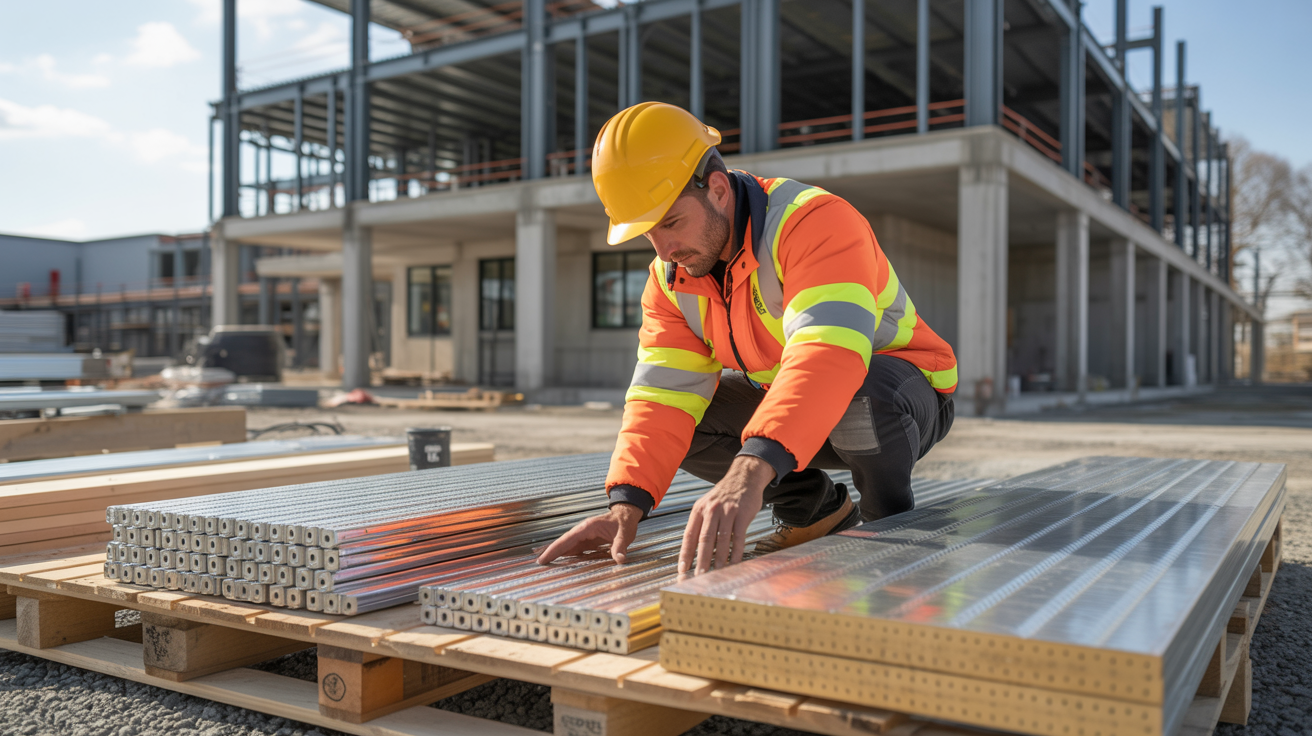
Many elements must align to ensure that a construction project is successful. One of the major aspects is the building material selection. Specialty building materials offer distinctive features that drive projects to greater levels of safety, durability, and efficiency. As demand for smarter, more durable, and more sustainable structures increases, their role is only set to expand further. Learning about these materials directly opens your eyes to why they are quickly becoming a required component of contemporary construction.
Enhancing Structural Strength
High-tech strength is a common feature of specialty building materials. These products can endure more pressure and stress than standard offerings. They make structures more durable. Sourcing these materials from a trusted distributor of specialty building materials will provide assurance to both the designers who create them and the maintenance teams responsible for their upkeep. By reducing the need for repairs, greater durability also results in lower long-term costs for owners.
Boosting Durability and Longevity
Durable materials are special because they can withstand damage. Specialty products usually contain more exotic treatments or elements that combat corrosion, mold, and other decay methods. So buildings built with these materials serve for a long time. The result is less downtime due to maintenance activity, which saves time and money.
Improving Safety Standards
In every project, safety is the number one priority. Specialty materials are often fire resistant or can sustain earthquakes or storms. The adoption of these materials helps projects comply with the strict safety codes imposed by regulators. They enhance the safety of occupants and aid project managers in avoiding costly delays or upgrades.
Promoting Energy Efficiency
Energy-efficient construction is one of the main targets of many developers who opt for specialty materials. Insulation helps you control the temperatures inside, a characteristic found in many specialty building materials. Such materials reduce the use of artificial heat or air conditioning, directly cutting energy consumption. This, in turn, results in a considerable reduction in operating costs over time.
Supporting Sustainability Efforts
Environmental concerns guide many decisions in the construction sector today. Some specialty materials contain recycled content or involve processes that reduce waste. They can contribute to green building certifications for projects and help meet larger environmental objectives. Choosing the appropriate materials for a project promotes environmental health and enhances its reputation.
Simplifying Installation Processes
Time is an essential aspect of every construction schedule. Some specialty materials can facilitate faster or easier installation. Do you want to lessen the likelihood of errors and the learning curve for your workforce? With shorter installation times, projects remain on target, which avoids cycle time overruns and unnecessary costs.
Adapting to Diverse Design Needs
For architects and engineers, finding materials that react to specific design needs is crucial. Specialty products may provide the flexibility of forms, colors, and finishes that are impossible with standard materials. They enable creative designs with unimagined performance. Such custom solutions help projects with unique capabilities and address tailor-made needs posed by a client.
Reducing Long-Term Project Costs
The cost of specialty building materials may appear higher at first than traditional alternatives. But that initial cost can provide savings in the long run. Better longevity and lower maintenance requirements reduce the total cost of ownership. Materials that are energy efficient provide returns for years to come.
Supporting Compliance with Regulations
At some point in the future, building codes and standards become more stringent. These requirements evolve, and so specialty materials are increasingly tested and certified to meet them. They can make approvals easier and help projects pass inspection on the first go. Compliance means stress-free management, and teams can better focus on quality and delivery.
Encouraging Innovation in Construction
Material science advancements keep changing the construction industry. Specialty building products highlight new technologies and applications in construction. Adopting them also motivates project teams to improve their work by fostering better prospects and solutions. Such innovations drive changes that evolve the industry to become safer, more functional, more efficient, and more aesthetically pleasing.
Conclusion
There are numerous advantages to using specialty building materials in construction. They reinforce structures, enhance longevity, and upgrade energy efficiency. The role they play offers advantages like safety, compliance, and sustainability. When project teams select advanced materials, they elevate the work and lead to higher-quality results. As demand for improved structures escalates, the future of construction management is likely to depend more on these indispensable materials.
