

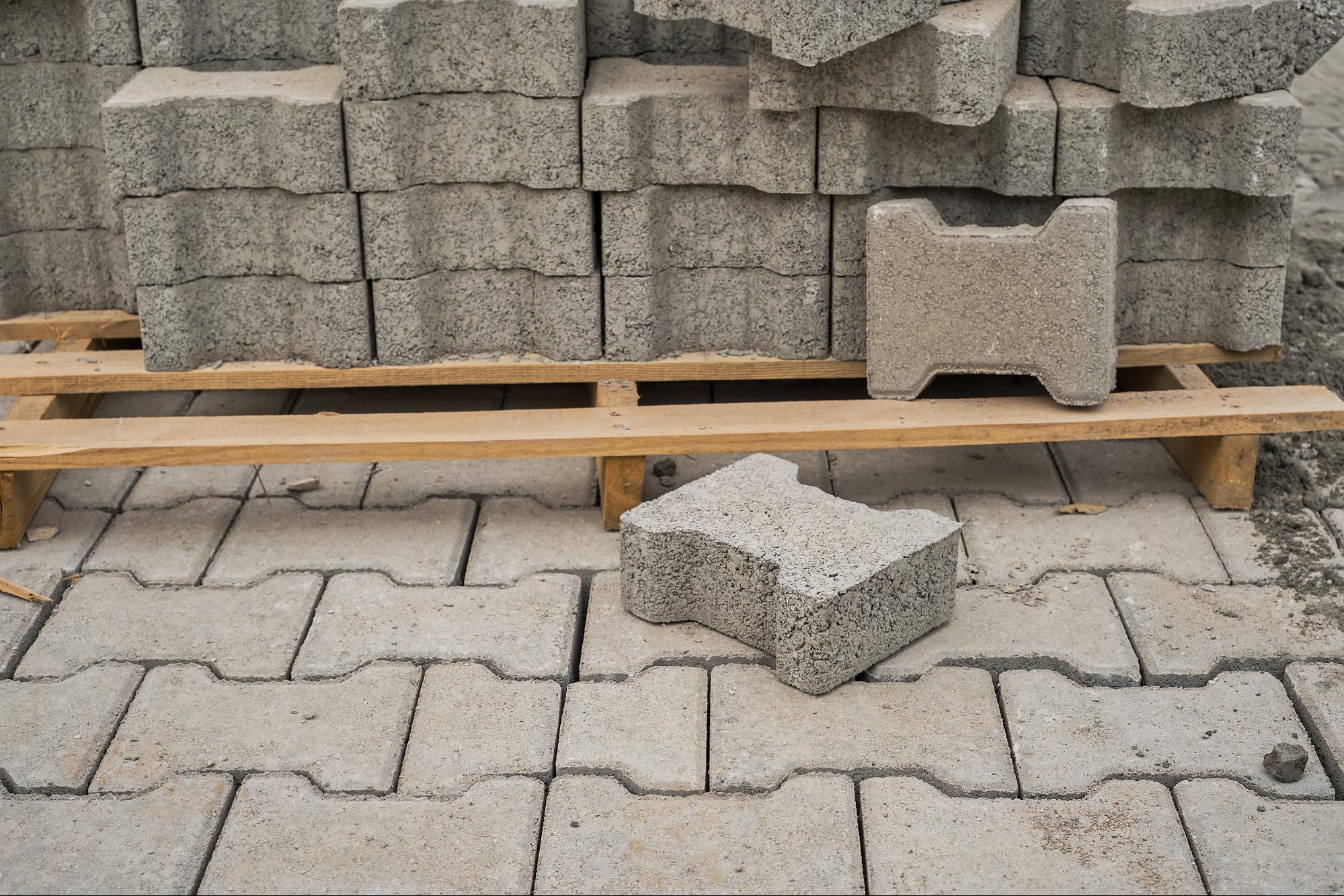
Residential driveways and paved areas are often designed with vehicles in mind; yet, modern homes regularly experience loads and traffic patterns that quietly exceed these assumptions. This is one of the major reasons why structural engineers use commercial paving for parking lots, industrial access roads, and high-traffic environments to residential properties.
This article will focus on how commercial paving enhances safety for homes and how it can be relied upon under pressure, rather than slowly failing without an obvious warning. Understanding the core difference between residential paving and commercial paving will help shed more light on why they are often used.
What is the Structural Difference Between Residential and Commercial Paving?
What distinguishes these two pavings lies beneath the surface rather than in the visible asphalt or concrete. Residential paving often relies on thinner surface layers and minimal base preparation, assuming light and infrequent loads.
On the other hand, commercial paving is engineered as a structural system, with carefully compacted subgrades, thicker aggregate bases, and surface layers designed to distribute weight evenly.
This layered approach prevents stress from concentrating in one area, which is what causes cracking, rutting, and surface collapse over time. When applied to a home, this structure transforms paving from mere aesthetics into a load-bearing asset.
The Importance of Its Load-Bearing
Many paving failures occur not because they are not fixed properly, but because of repeated moderate loads that slowly weaken the surface. While not all vehicles in a home can cause visible damage, repeated visits over months and years compress weak base layers and shift unsupported sections of pavement.
This is where commercial paving comes in, as it increases the load-bearing capacity by reinforcing the foundation beneath the surface, allowing weight to spread across a wider area instead of sinking into the soil below.
This is mostly important for homes where driveways are used as parking areas, work zones, or access points for delivery vehicles, all of which place higher demands on the pavement than casual daily use.
Below are detailed explanations of some other benefits that make them often preferred and why homeowners can demand them during construction.
1. Proper Base Preparation Improves Structural Stability
Base preparation is where commercial paving standards deliver the most significant safety and performance improvements for many homes. The subgrade is often evaluated for soil type, moisture content, and load tolerance, then corrected through grading, compaction, and stabilization as needed.
Weak soils are reinforced with thicker aggregate layers that resist movement and erosion, a process that prevents settlement and uneven surfaces, which are common causes of tripping hazards and vehicle instability. At a residential level, proper base preparation ensures that paving remains flat and secure rather than developing subtle dips and slopes that compromise both safety and appearance.
2. Enhanced Resistance to Cracking and Surface Deformation
Cracks are often overlooked by many, but they signal structural stress that can quickly escalate into safety risks. In residential paving, cracks widen due to freeze-thaw cycles, water intrusion, and continued loading, eventually creating sharp edges, loose debris, and uneven transitions.
To avoid these, contractors can use commercial paving with thicker surface layers that absorb stress more effectively, reducing the formation of cracks and slowing their progression when they do occur. For homeowners, this means fewer sharp edges that can damage tires, fewer trip hazards near walkways, and less water infiltration that causes damage to the base over time.
3. Improved Traction and Surface Safety
Safety in paving is not limited to structural strength, as surface texture also plays a critical role. Commercial paving standards prioritize traction, particularly in areas exposed to weather and subjected to frequent use.
This is why surface mixes and finishing techniques are selected to balance smoothness with grip, reducing the risk of slips during rain or temperature changes. They can also be applied to residential homes and estates as they improve safety for pedestrians, cyclists, and vehicles.
It should be a priority because driveways with proper traction reduce stopping distance for vehicles, therefore lowering the likelihood of falls, particularly on sloped surfaces or near entryways.
4. Better Drainage Systems
Water is one of the most destructive forces affecting paved surfaces, and inadequate drainage is a common cause of premature failure. However, commercial paving integrates drainage planning into the design process, ensuring water flows away from the surface rather than pooling or seeping into the base.
Proper slopes, edge treatments, and sub-surface drainage prevent water accumulation that leads to ice formation and erosion beneath the pavement. In residential applications, improved drainage enhances year-round safety while protecting the load-bearing structure from gradual weakening.
5. Supporting Heavy and Irregular Loads Without Damage
Many homes increasingly accommodate vehicles and equipment that exceed traditional residential design assumptions. For instance, RVs, boats, trailers, and work trucks place uneven and concentrated loads on driveways, often in the same parking locations repeatedly.
Hence, commercial paving is designed to handle these irregular loads without developing depressions. This consistent support prevents vehicles from tilting or sinking, which can create both safety hazards and long-term surface damage. For homeowners, this reliability reduces stress on both the pavement and the vehicles using it.
6. Safer Transitions Between Paved Areas and Surroundings
Uneven transitions between driveways, sidewalks, and garage floors are common safety hazards in residential paving, which is where commercial paving addresses these transitions carefully, ensuring smooth connections that reduce trip risks and improve accessibility.
Additionally, proper edge support prevents pavement from breaking away at boundaries, a common failure point in lighter residential construction. At home, this results in safer walkways, cleaner edges, and a reduced risk for guests, children, and older adults who run or walk on the property.
7. Reduced Maintenance That Preserves Safety
Poorly constructed paving requires frequent patching, which often creates uneven surfaces and inconsistent traction. Commercial paving reduces maintenance frequency by addressing the root causes rather than just the surface symptoms.
When maintenance is needed, it tends to be more predictable and less disruptive. This consistency preserves safety by maintaining uniform surface conditions rather than introducing temporary fixes that may create new hazards.
This is why engineers recommend top design trends for homeowners, urging them to overlook costs and opt for them, because in the long run, they will benefit from surfaces that age evenly rather than deteriorating in unpredictable patterns.
Endnote
Commercial paving improves safety and load-bearing capacity at home by addressing the structural realities of modern residential use. This is why, when applied thoughtfully, they can transform driveways and paved areas into reliable, long-term assets that protect both people and property. Overall, its true value does not depend on how the surface looks when it is just installed, but on how safely and consistently it performs over the years.
