

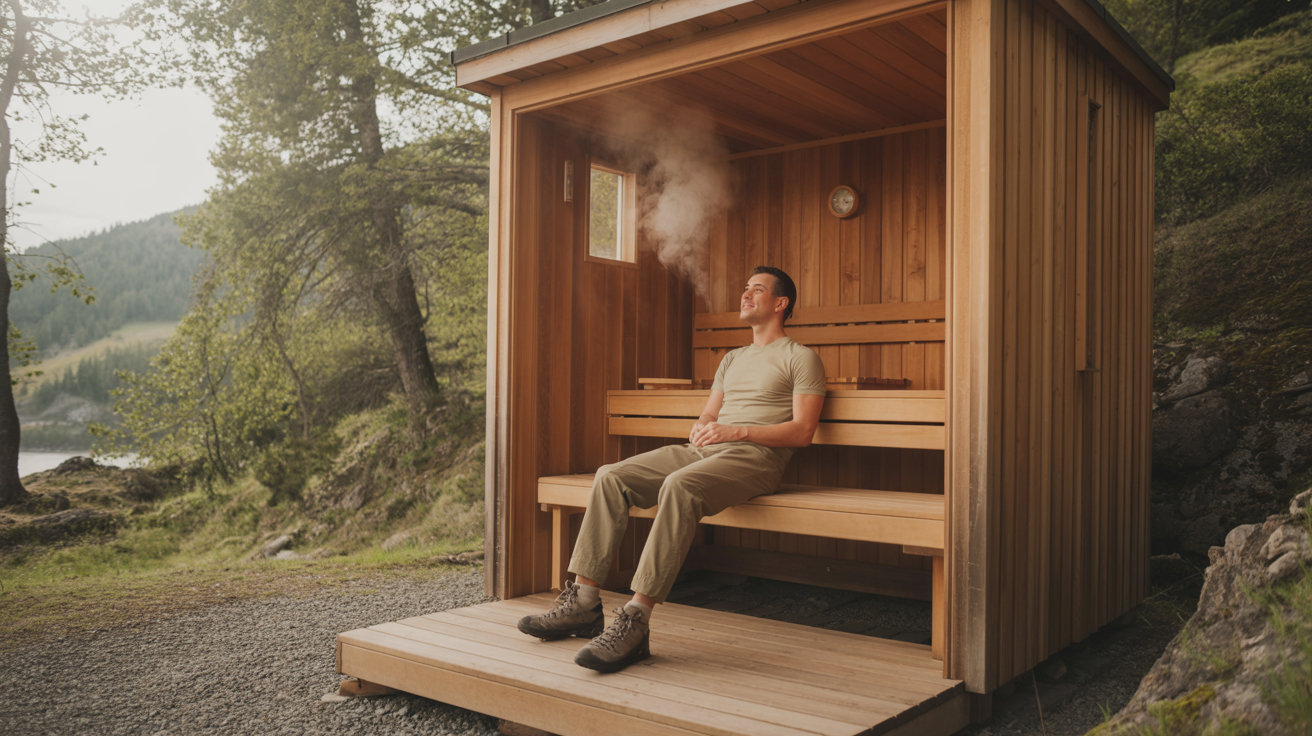
The link between outdoor adventure and a physical rest has always been recognized by athletes and wellness enthusiasts, but still, many have overlooked one of the most powerful recovery tools. Outdoor saunas can be the perfect natural transition between effort and rest, as they offer healing benefits that soothe the areas of the body that have been most stressed during a hike or any other outdoor activity. Knowing the ways in which heat therapy helps the recovery process can completely change your mode of exciting outdoor activities, thereby, you will be able to go out more often, lessening the risk of an injury and speeding up the return of your body to its top condition.
The Science Behind Heat Therapy and Muscle Recovery
If you go through challenging terrain with your body, if you scramble over rocks or if you carry a heavy pack for a long time, your muscles become a bit like a small factory producing metabolic waste from the process of energy production and they develop microscopic damage that triggers inflammation. This process is part of building strength through the body, but the recovery phase will determine whether you will be feeling rejuvenated or debilitated the following days of your adventure. Heat therapy gets to your recovery from the deepest level and thus it is able to facilitate the body processes that work naturally for healing and pain relief.
The blood flow is increased to a great extent during exposure to sauna temperatures as blood vessels dilate and circulation throughout the body improves. The improved blood flow brings oxygen and nutrients to the muscles which are tired of work while at the same time it removes metabolic waste products like lactic acid which causes soreness and stiffening. The body’s reaction to heat is similar to moderate exercise as the heart rate gets higher and more blood is pumped through the capillary networks which may have been compressed during long periods of hiking or climbing.
Scientifically it is proven that in the long run saunas lead to the activation of heat shock proteins which are specialized molecules that protect the cell from stress and even facilitate the repair processes. These proteins which are the helpers in the repair are able to make recovery time between heavy activities shorter in the case the muscle fibers have been damaged. Hikers who use weekend warriors intensity or who are planning multi-day expeditions will find in this speedy recovery real salvation as it literally can be the difference between feeling fresh versus fatigued for the next outing.
Addressing Inflammation and Joint Stress
Hiking is a great way to put a lot of stress on your joints, especially the knees, ankles, and hips, which are the parts that absorb the impact with each step on uneven ground. Going down the hills is, therefore, very hard, as the quadriceps work eccentrically to slow down the movement and, as a result, delayed onset muscle soreness and joint inflammation mostly follow. The anti-inflammatory effects of heat therapy are the main reasons good restorative sessions in the sauna can offer targeted relief for these common hiking complaints.
Heat coming from the sauna penetrates the body deeply and warms the joints and the connective tissue around them. This warming effect temporarily increases joint flexibility and reduces stiffness, thereby immediately giving a person comfort especially after a tough day of hiking. Also, heat induces the body’s anti-inflammatory responses as it requires less medication thus no side effects occur. Regular use of the sauna might be a useful tool to fight against the symptoms of such chronic conditions as arthritis or even past injuries that get worse during hiking.
Most of the hikers who follow this regimen also do the cold plunges or take cool showers right after their sauna sessions, thus they can enjoy even more benefits from this process. It stimulates the blood vessels, which can pump further due to the enlargement and constriction caused by the cold and hot parts respectively, thus circulation and waste removal are improved significantly. This contrast therapy, which has been a part of the lifestyle of Scandinavian people for centuries, is getting more and more popular nowadays among the professional sports medicine community due to its documented recovery advantages.
Mental Recovery and Stress Reduction
Physical recovery is just one aspect of the story. Mental exhaustion can result from the constant focus, navigation, and environmental awareness that outdoor activities require, although being in nature has psychological benefits. Sauna sessions, being inherently meditative, provide mental recovery which is in line with physical restoration, thus resulting in holistic wellness that is beyond muscle repair.
The discipline of sauna bathing, which is usually done in silence, leaves room for reflection and mental processing. After several days of being attentive to trail conditions, weather changes, and physical demands, this quiet time is an opportunity for the nervous system to move from sympathetic activation to parasympathetic rest and restoration. The relaxation is also promoted by heat as it allows for the release of endorphins, the body’s natural mood-elevating compounds, which bring about the feelings of wellbeing and contentment.
Many hikers and outdoor enthusiasts report that sauna sessions help them mentally process their adventures, consolidating memories and experiences in ways that rushed post-activity routines don’t allow. Exploring outdoor saunas designed specifically for garden settings creates dedicated recovery spaces where you can transition from adventure mode to everyday life without abrupt jarring shifts that leave you feeling unsettled or disconnected.
Sleep quality improvements following sauna use further support recovery. The natural temperature drop that occurs after leaving the sauna signals your body to prepare for sleep, potentially improving both the speed of falling asleep and the depth of rest achieved. Quality sleep remains the foundation of all recovery processes, making this indirect benefit particularly valuable for active individuals.
Practical Recovery Protocols for Outdoor Enthusiasts
By accurately timing your sauna sessions, you can, in fact, maximize recovery benefits. Most of the specialists advise that just about an hour be kept between the end of a hard workout and the moment when one is allowed to enter the sauna so that your body temperature can go down to normal and the very first recovery processes can be seen to have started already. Also, this time interval can be used for rehydration, which is absolutely necessary if one is to expose themselves to the dry and hot air.
How long the session will be is a matter of less importance than whether the sessions will be held regularly and whether the person taking part will feel good. In the beginning, it is advisable to limit oneself to a short ten to fifteen minutes session thus letting the body get used to heat therapy and consequently developing heat tolerance over time as a habit becomes more and more familiar. It must be stressed, however, that the utmost importance is always given to body signals as, on the one side, discomfort or dizziness followed through, thus recovery defeats and heat-related complications come up on the risk list.
It is of supreme importance that one keeps up his or her fluid intake before, during, and after sauna use. Hiking, by itself, is responsible for the loss of fluids and electrolytes, and the sweating caused by a sauna only adds to such losses. Rather than just drinking water, the preparation of electrolyte-rich drinks is of great help in the replacement of minerals lost through sweating, thus providing support for the cellular processes which are essential for recovery. Also, some hikers feel that adding trace mineral drops or natural electrolyte sources to their post-sauna water intake helps them keep away from the cramping and fatigue that are the consequent of an aggressive heat therapy.
Creating Sustainable Recovery Routines
The existence of outdoor saunas within reach of most makes regular recovery sessions a reality rather than something to be only wished for. Unlike gym-based recovery facilities that require you to travel and make a schedule, a garden sauna is always there for you whenever you come back from your adventures, thus removing the obstacles that often prevent recovery from being a consistent practice. This turnaround from convenience to continuous recovery practices which have cumulative benefits over time is what the occasional treat really is.
By adding sauna recovery to your outdoor life, you naturally create rituals that acknowledge the effort you have put in and at the same time, prepare your body for the future adventures. The routine itself becomes part of the outdoor experience, the final act which signifies the change from exertion to rest. With time, these recovery practices may prolong your active years and thus, you will be able to engage in the outdoor activities that you like, have a lesser chance of getting injured, and still experience the joy of it even in your old age.
