

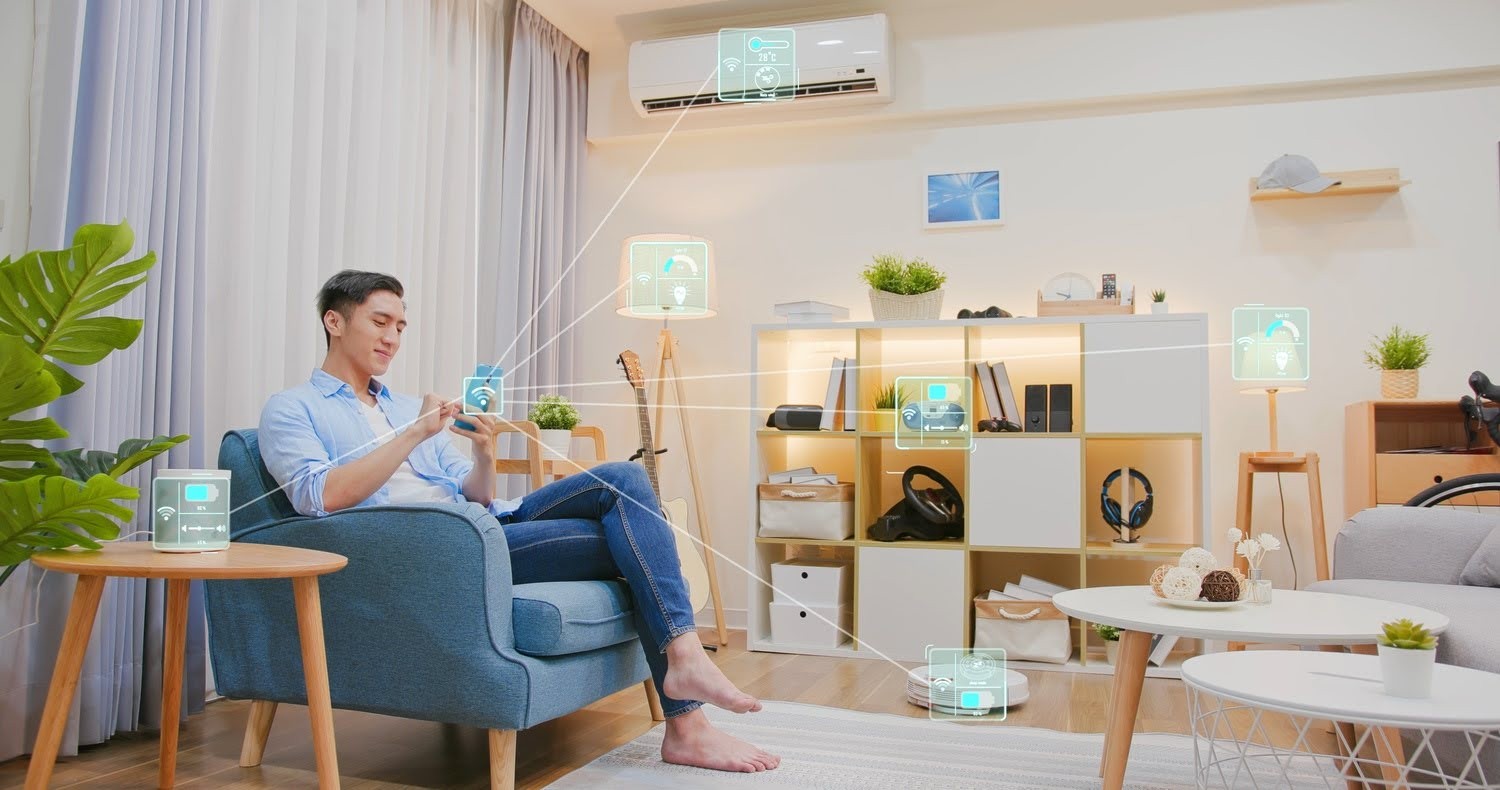
Home automation keeps evolving, and many homeowners feel the shift every time a new device, feature, or system hits the market. Interest grows because people want homes that respond quickly, make everyday routines smoother, and provide reliable safety features. Current trends show a move toward connected setups that help households run with fewer interruptions.
The Shift Toward Integrated Control
More households want technologies that work together without creating extra tasks. Adoption grows as people add new items like smart devices and expect them to run without friction. Growth also comes from simple expectations such as quicker adjustments, easier controls, and a setup that avoids constant troubleshooting.
Many homeowners start with a basic feature, then slowly build a system that fits the home’s size and layout. Some prefer a single dashboard where lighting, heating, and other features respond to quick taps on a phone. Others want voice control that lets them adjust routines during busy moments. As new products enter the market, options continue to expand for different home sizes, budgets, and comfort levels.
Automation and Everyday Household Tasks
Daily routines can feel easier when common tasks run automatically. Basic lighting control, small appliance scheduling, and temperature adjustments help create predictable patterns without demanding attention. Items such as smart plugs give homeowners a chance to test features before committing to larger installations.
Some homeowners check examples of installation work from Canny Electrics and other service providers when they plan upgrades or want guidance on setup options. Many people look for clear information on safety features, compatibility, and long-term reliability before choosing a contractor.
Security features continue to play a leading role. People rely on home security setups that alert them quickly when something needs attention. Homeowners also place a high value on sturdy door locks, responsive alarms, and clear footage from a video doorbell. Each option adds a layer of support during busy hours or late evenings.
Comfort-related additions grow in popularity as well. Many households look to smart thermostats for consistent indoor temperatures. Some also adopt air quality monitoring devices to track allergens, humidity, or ventilation changes. Interest in energy-saving solutions grows, especially among homeowners who want long-term cost reductions without compromising comfort.
Automation Influenced by Artificial Intelligence
Artificial intelligence contributes to higher accuracy across many connected devices. Predictive features help appliances adjust settings without manual input. When a system observes patterns, it can suggest improvements or quietly adjust routines in the background.
Energy management systems follow this trend. Homeowners gain access to insights about consumption levels, peak usage hours, and device type comparisons. These tools offer clearer views of how electricity moves through the home, which helps people refine habits over time.
Lighting offers another example of gradual AI involvement. Many homes experiment with circadian lighting that shifts brightness and tone throughout the day. The appeal lies in smoother transitions and a more natural rhythm indoors. People describe the effect as gentle rather than dramatic.
The Expanding Role of Home Lighting and Comfort
Lighting experiences steady growth within home automation. Many homeowners want smart lights that adjust quickly and support their routines. Some prefer soft tones during late evenings. Others want brighter settings during chores, reading, or studying.
Lighting control systems often link to phones or hub devices. People enjoy tapping through simple menus to create patterns that match their schedules. Families with children sometimes use automated schedules to create predictable bedtime cues.
In some homes, lighting pairs with other features. An example is light activation paired with motion sensors near stairways. Another example involves porch lights turning on during early morning departures. Small adjustments like these help create dependable patterns.
Security Systems Built Around Practical Needs
Security systems remain steady contributors to home automation growth. Many families focus on practical additions rather than complicated setups. Cameras, motion detectors, and entry sensors offer immediate benefits without requiring large renovations.
More households expect smoother integration between cameras and storage options. People also look for clearer recordings and quicker alerts. The combination of improved hardware and simpler mobile apps makes these upgrades more attractive.
Interest in monitoring continues to expand. Some homeowners prefer optional add-ons that extend coverage into outdoor areas. Others rely on indoor sensors that track simple activity levels during weekends or vacation trips.
Multi-Function Hubs and Centralized Control
Multi-function hubs attract interest because they reduce clutter. Instead of juggling several apps, homeowners prefer a central point that manages appliances, lighting, temperature, and entertainment systems. The benefit comes from fewer steps and fewer updates spread across multiple devices.
Compatibility challenges still appear, so many homeowners compare devices before adding them to the system. Research often centers on connection stability, data handling, privacy expectations, and long-term software support.
Some hubs now incorporate user experience improvements. Clearer menus, simpler icons, and shorter setup steps help more people experiment with automation without feeling overwhelmed.
Automation’s Influence on Home Transactions
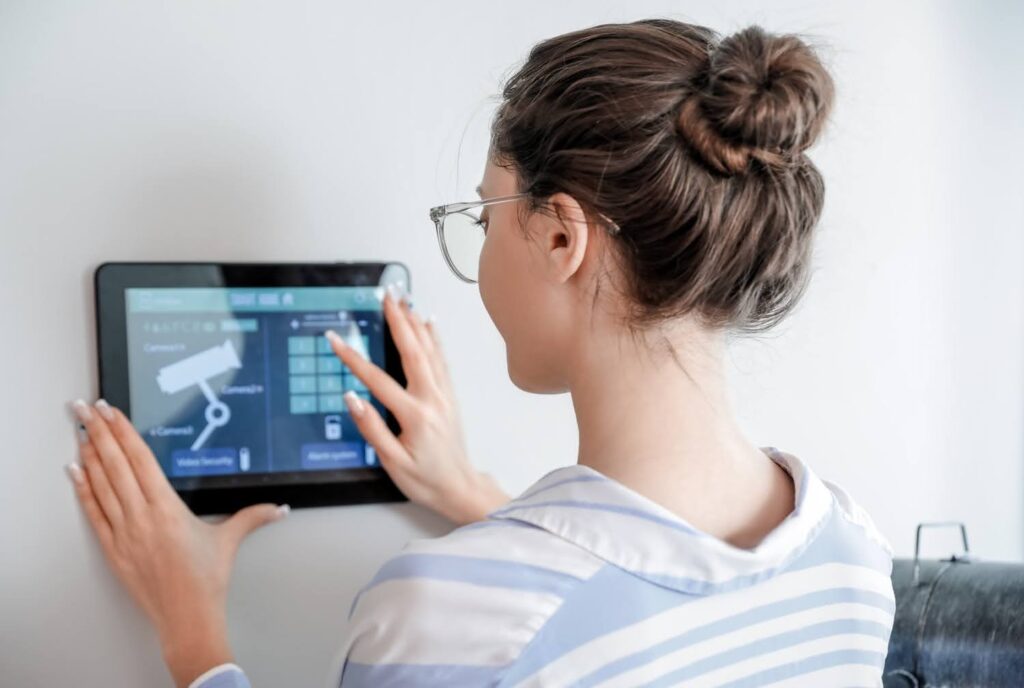
Interest in automation has affected the real estate market. Buyers often pay attention to pre-installed systems because they want convenience from the moment they move in. Homes with integrated security, lighting, or climate controls often receive extra attention during tours.
Luxury living often incorporates full setups that allow quick control over large areas. Features in this category may include integrated audio systems, automated shading, and built-in temperature controls for large homes. Many buyers appreciate these additions because they reduce the amount of hardware needed after purchase.
Some sellers highlight automation features during listings. These additions can create smoother walkthroughs and shorter decision times. Many buyers feel more comfortable when they understand how systems connect and how they can be expanded.
Exploring Automation for Future Planning
People often adopt home automation at different stages of life. Others jump into more advanced setups from the beginning. Approaches vary because priorities change throughout the year and across different household situations.
Homeowners who want long-term flexibility usually focus on compatibility. Selecting products that work well with future upgrades helps keep costs manageable. Family needs also influence decisions as children grow or as daily routines shift.
Interest in remote monitoring continues to rise. People appreciate knowing what happens at home when they are away. Features like quick notifications and clear app layouts create a sense of stability.
In Conclusion
Home automation continues to influence the way households function. Homeowners explore these technologies for comfort, convenience, and practical support. Interest spans security, lighting, temperature control, monitoring, and central hubs. Each trend reflects a push toward practical solutions that fit daily routines. As equipment improves and options expand, homeowners gain more opportunities to shape their spaces in ways that feel natural and easy to manage.
