

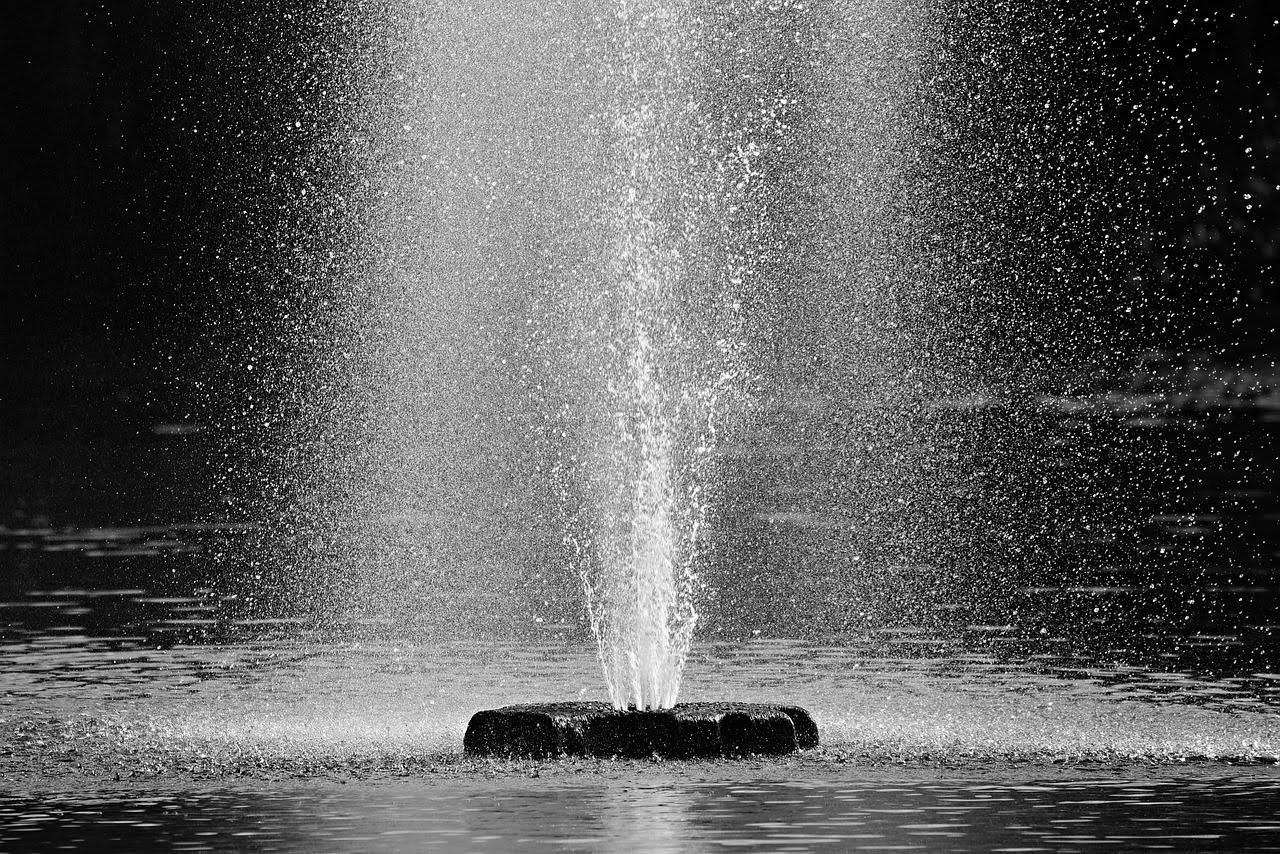
Selecting a Kasco pond fountain should be straightforward, but with different horsepower ratings, spray patterns, and features to consider, you might wonder which option is right for your specific situation. Whether you’re looking at a 1/2 HP model for a small backyard pond or a 5 HP unit for a larger water feature, understanding how Kasco pond fountains match different pond conditions will help you make the right choice.
Once you understand a few core principles about how these pond fountains work and what your pond actually needs, the decision becomes much clearer. This guide will walk you through the key factors to consider when choosing the right Kasco fountain for your pond.
Understanding What Fountains Actually Do for Your Pond
Before diving into which model fits your needs, it’s worth understanding the multiple roles a quality fountain plays in pond health. Yes, they look beautiful, but that’s one benefit among several critical functions these units deliver.
The main job of any pond fountain is to get oxygen into your water. When water sprays into the air, it picks up oxygen. Fish need that oxygen to survive, and so do the beneficial bacteria that keep your pond clean. Pond management experts generally recommend maintaining oxygen levels of at least 5 mg/L for healthy fish. When levels drop below 3 mg/L, you’ll see fish gasping at the surface. Below 2 mg/L, fish can die.
Pond fountains also keep water moving, which matters more than you might think. In summer, warm water naturally sits on top while cold water sinks to the bottom. That cold bottom water loses its oxygen over time. University of Florida research shows that when these layers suddenly mix (called “turnover”), the oxygen-poor water from the bottom can spread throughout your pond. Fish that were fine one day can be struggling the next.
Beyond the functional benefits, there’s the aesthetic appeal. A well-chosen Kasco pond fountain becomes a focal point that enhances your property’s appearance and creates soothing background sound. The key is finding the right model that balances all these benefits for your specific pond.
Critical Factors in Pond Fountain Selection
Pond Size and Depth
The most common mistake pond owners make is choosing a fountain based solely on how it looks in photos rather than matching it to their pond’s size. A pond fountain that’s too small won’t effectively aerate your water, while one that’s too large can overpower a small pond.
As a general rule, you need more horsepower for larger ponds. A half-acre pond typically requires at least 1 HP, while larger ponds may need 2 HP or more. Kasco pond fountains range from 1/2 HP for small backyard ponds up to 5 HP for larger water features.
Depth matters too. Surface fountains work best in ponds under 6 feet deep. If your pond is deeper than 8 feet, you might need additional bottom aeration to reach the lower levels where oxygen can be depleted.
Power Source Availability
You’ll need electricity at your pond to run a fountain. Smaller pond fountains run on standard household power, while larger models may require the same type of power as your clothes dryer or air conditioner.
If your pond doesn’t have power nearby, you have two options: solar fountains or running electrical lines. Solar works fine for small decorative ponds, but it won’t give you the consistent aeration larger ponds need for good water quality. Running power lines typically costs $1,000 to $3,000, depending on how far your pond is from your house.
Spray Pattern and Height
Different spray patterns do different jobs. High, vertical sprays look dramatic but don’t move as much water. Wider patterns provide better aeration but can drift in the wind. Think about your typical weather. If you get frequent winds, a lower, wider pattern keeps water in your pond instead of watering your lawn.
What Sets Kasco Pond Fountains Apart
Kasco has built its reputation through decades of reliable performance in real-world conditions. Here’s what sets their equipment apart in practical terms and how their different models compare.
Motor Design and Durability
Kasco pond fountains use sealed motors built for continuous outdoor use. The motors stay cool and run reliably without needing frequent attention. Plan for an oil change every 3 years to keep things running smoothly, much like you would for a car.
Running costs depend on the size and usage of your pond fountain. A 1 HP fountain running continuously during the warm months typically costs between $70 and $120 per month in electricity. Smaller pond fountains cost less to operate, larger ones a bit more.
Nozzle Options and Adjustability
Kasco offers two main fountain styles. Their VFX models focus on maximum aeration with a fixed V-shaped spray pattern. Their J-Series decorative fountains come with interchangeable nozzles so you can switch between different spray patterns depending on the season or occasion. Think of it like changing accessories to match various needs.
Built-in Safety Features
These Kasco pond fountains include protection features that keep both the equipment and your pond inhabitants safe. If the motor gets too hot, it automatically shuts down to prevent damage. Screens around the intake keep fish and debris out of the pump. The motors are designed to start reliably every time.
Matching Specifications to Your Pond’s Reality
Let’s translate technical specifications into practical decision-making for common pond scenarios using the actual product lineup.
Small Ponds (Under 1/4 Acre, 4-6 Feet Deep)
For backyard ponds in this range, a 1/2- or 3/4-HP Kasco pond fountain provides adequate aeration while creating an attractive display. These smaller units run on standard household electrical service, making installation straightforward. Expect spray heights of around 6 feet, with coverage spanning about 20 feet.
Medium Ponds (1/4 to 1/2 Acre, 4-8 Feet Deep)
This is where many residential and small farm ponds fall. You’ll want to step up to a 1- or 2-HP Kasco pond fountain to move enough water for effective aeration. These models produce larger spray patterns with greater coverage, providing the circulation your pond needs.
Large Ponds (1/2 Acre or More)
For ponds of 1/2 acre or larger, consider a 2-HP or 5-HP model. Alternatively, larger ponds often benefit from multiple strategically positioned fountains rather than a single oversized unit. This approach improves overall circulation and eliminates stagnant dead zones. Research from the USDA Natural Resources emphasizes that proper circulation throughout the entire pond volume is critical for consistent water quality.
Making Your Decision – Which Kasco Pond Fountain is Right for You?
Choosing the right Kasco pond fountain comes down to matching equipment capabilities to your pond’s specific requirements. Start with accurate measurements of your pond’s size and depth, assess your available power options, and consider your primary goals, whether that’s maximizing aeration, creating visual appeal, or both.
The range gives you options for virtually any pond size. The 1/2- to 3/4-HP Kasco models work beautifully for smaller residential ponds, while the 1-2 HP Kasco units handle most farm ponds and larger residential water features. For ponds over an acre, the larger models or multiple units provide the circulation and aeration needed for consistent water quality.
The investment in a Kasco pond fountain pays off over the years through reliable operation with proper maintenance, while cheaper alternatives often require replacement much sooner. Take time to evaluate which Kasco model matches your pond’s actual needs. Your pond is an investment in your property’s value and your enjoyment of the outdoor space. The right pond fountain enhances both while supporting a healthy aquatic ecosystem that requires less intervention and worry over time.
