

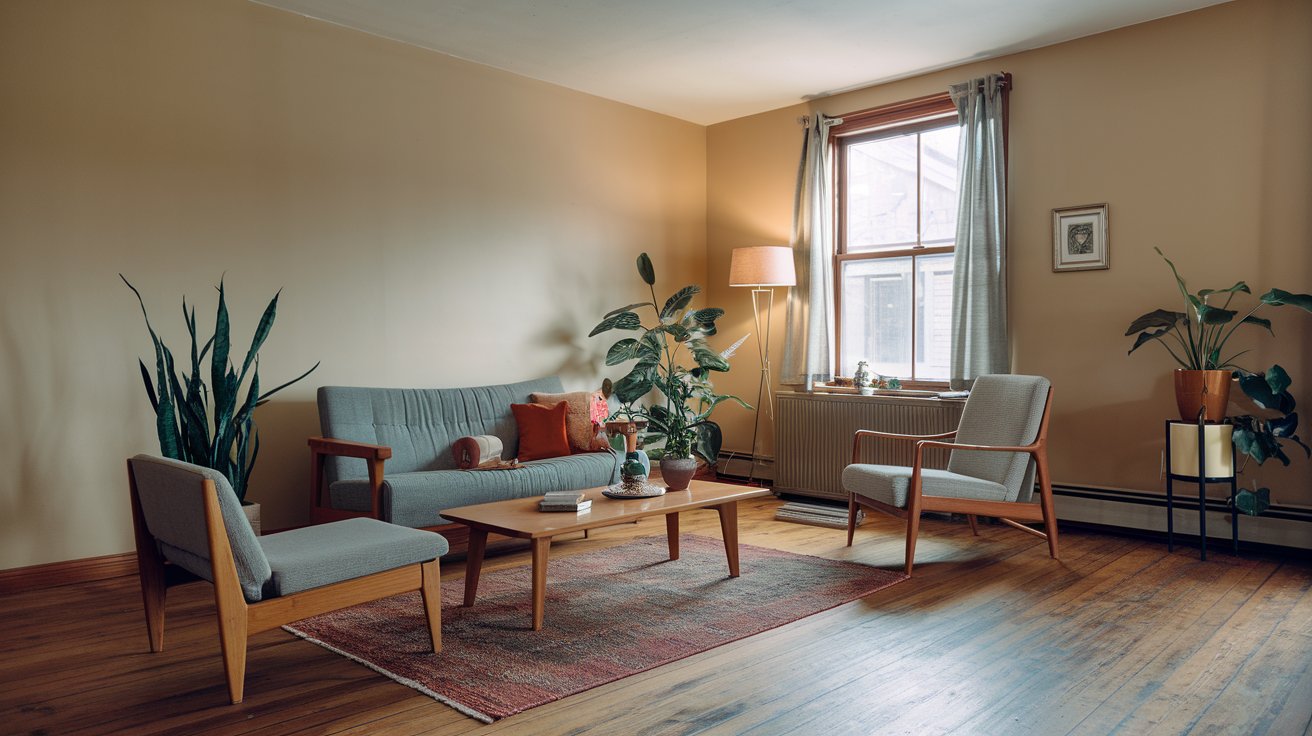
Choosing a floor is not about selecting a surface. It’s a foundational decision that influences a room’s acoustics, its perceived temperature, and the daily texture of life within it. This layer defines aesthetic tone while enduring constant physical demand. From the dignified creak of aged timber to the silent resilience of modern vinyl, each material tells a different story and imposes unique conditions. Understanding this spectrum, its practicalities, costs, and characters, transforms a simple purchase into a strategic investment for your home’s long-term personality and function.
Navigating the Spectrum of Choices
The array of materials available today can feel overwhelming. Each category offers a distinct balance of beauty, durability, maintenance, and cost. Smart selection begins by honestly assessing the room’s purpose, traffic levels, and your household’s lifestyle. Do you need waterproof integrity for a busy kitchen, or is the timeless elegance of parquet wood flooring more suited to a formal dining room? Is warm, quiet comfort the priority for a bedroom? Answering these questions narrows the field of viable flooring options, guiding you past mere trends toward a solution built for your reality.
The Enduring Warmth of Solid Wood
For centuries, timber has represented the pinnacle of craft and natural beauty. Solid hardwood planks, oak, maple, walnut, offer unparalleled authenticity. They can be sanded and refinished multiple times over decades, allowing the floor to evolve with your home. This is a lifetime investment. Considerations include its susceptibility to moisture, which rules it out for basements or bathrooms, and a sensitivity to significant temperature fluctuations that can cause expansion or contraction. Its voice, the occasional creak or footfall sound, is part of its living charm.
Engineered Wood’s Practical Elegance
Born from modern manufacturing, engineered wood provides the coveted wood surface with enhanced stability. Its cross-ply construction resists the warping common in solid planks when installed over concrete subfloors or with underfloor heating. You achieve the visual warmth of real wood veneer with fewer geographical and climatic restrictions. While it can be refinished, its capacity for this is limited by the thickness of its top layer, making it a long-term, though not eternal, choice.
The Resilience of Luxury Vinyl Tile
LVT stands as a triumph of pragmatic innovation. It convincingly mimics wood, stone, or concrete through detailed photographic layers protected by a durable wear coat. Its core strength lies in complete waterproofing and formidable resistance to scratches and dents, making it ideal for active families, kitchens, and entries. Installation is often straightforward, with click-lock systems enabling floating floors. It offers high-style visuals with a relentlessly practical, low-maintenance character.
Timeless Stone and Porcelain
For a sense of permanence and cool, elegant grandeur, stone and ceramic tiles are unmatched. Natural stone like slate, limestone, or marble brings unique, unrepeatable veining, requiring periodic sealing. Porcelain tiles, through digital printing, offer the look of stone or wood with even greater durability and zero porosity, eliminating sealing needs. Both provide excellent thermal conductivity when paired with underfloor heating, turning a cold surface into a radiant asset. Their hardness, however, demands cushioned mats in standing areas and can be unforgiving on dropped glassware.
The Softness of Carpet and Natural Fibres
No other material matches carpet’s acoustic damping and instant, tactile comfort underfoot. It defines cozy, quiet spaces like bedrooms and studies. Wool blends offer natural resilience and luxury, while synthetic fibers like nylon provide stain resistance and durability for busier areas. Beyond traditional carpet, natural fibre weaves like seagrass, coir, or jute introduce organic texture and a casual, earthy aesthetic, though they are best suited to low-traffic, dry rooms due to their sensitivity to moisture.
Considering Cork and Bamboo
Two sustainable choices offer unique benefits. Cork provides a naturally springy, insulating, and quiet surface with inherent antimicrobial properties, making it comfortable for kitchens or playrooms. Bamboo, a rapidly renewable grass, offers hardness comparable to oak in a contemporary, linear grain. Both represent conscious choices for eco-minded homeowners, though their suitability varies by product quality and construction.
Making Your Informed Decision
Look beyond the sample. Consider the subfloor preparation needed, the installation method (glue-down, click, nail), and long-term care. Factor in the room’s sunlight exposure, which can fade some materials. Ultimately, your floor should balance your desired aesthetic with the pragmatic demands of daily life. It is the stage upon which your home’s life unfolds, choose a surface that supports the story you want to live.
