

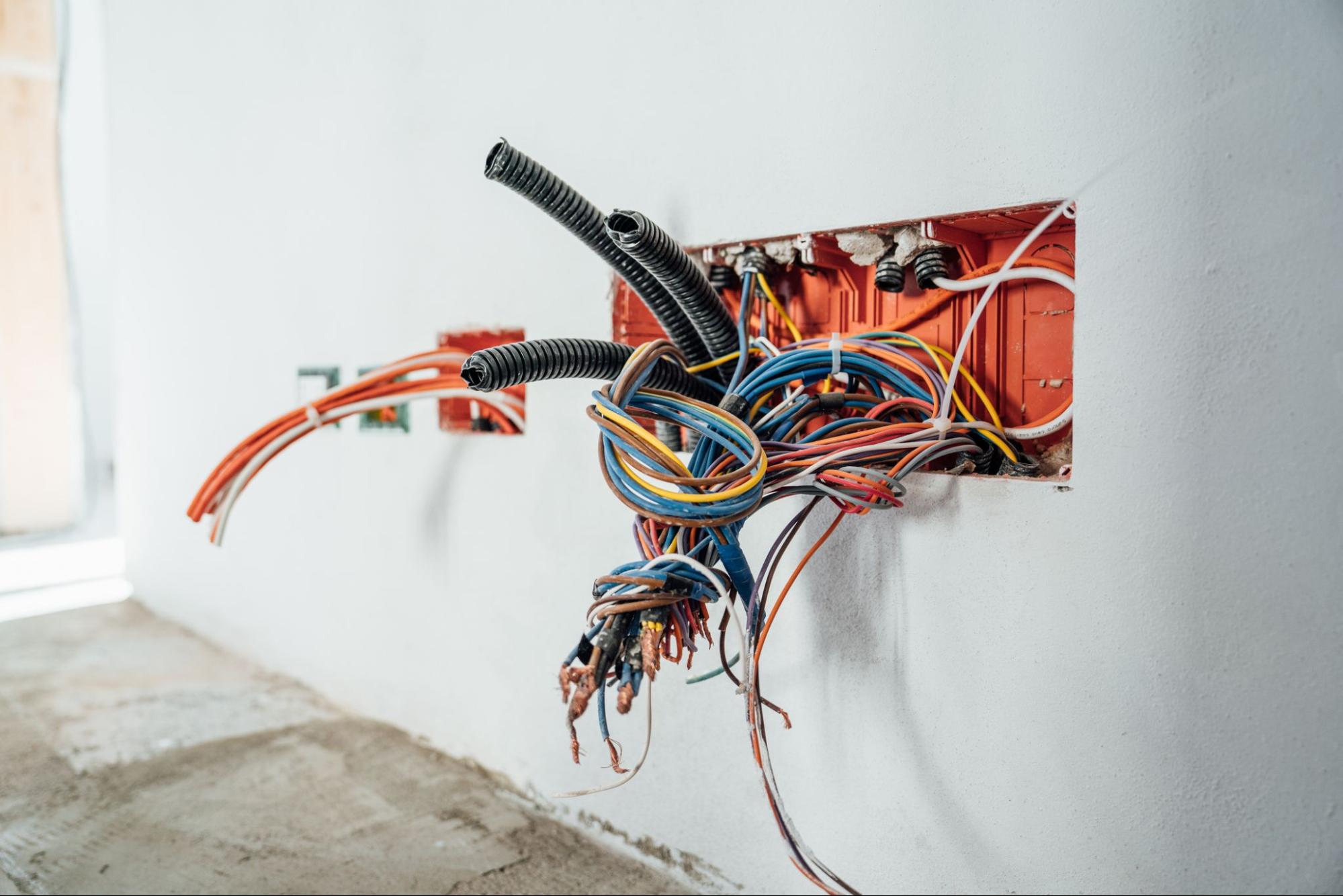
Electrical code violations can lead to safety hazards and unexpected costs. Common issues include outdated wiring, improper grounding, and overloaded circuits. Addressing these problems promptly is essential to prevent damage or accidents. By understanding residential electrical codes and working with licensed professionals, homeowners can maintain compliance and improve their home’s safety. Proper electrical services not only protect your property but also make sure long-term peace of mind.
Table of Contents
- Common Electrical Code Violations
- Hidden Costs of Ignoring Electrical Safety Standards
- How Professional Electricians Address Code Compliance Issues
- Steps to Make sure Your Home Meets Electrical Code Requirements
- Final Thoughts: How to Protect Your Property
Electrical systems are the backbone of any modern home, yet many homeowners overlook potential issues until it’s too late. Faulty wiring, improper installations, or outdated components can lead to serious safety risks and financial burdens. In fact, electrical code violations are a leading cause of house fires and equipment failures in residential properties. Understanding these risks is the first step toward protecting your home and family.
For those unsure about their home’s electrical health, consulting professionals who specialize in electrical services in Calgary can provide clarity and solutions. Addressing code violations early prevents costly repairs and promotes a safer living environment. By staying informed, you can make smarter decisions about your home’s electrical system without unnecessary headaches.
Common Electrical Code Violations in Calgary Homes
Electrical code violations are more common than many homeowners realize, often going unnoticed until they cause significant problems. These infractions can range from minor oversights to serious safety hazards. Understanding the most frequent violations can help you identify potential risks in your home and take corrective action before they escalate.
Outdated Wiring Systems
One of the most prevalent issues involves outdated wiring, which may not meet current safety standards. Homes built decades ago often feature aluminum or knob-and-tube wiring, which can overheat or degrade over time. This poses a fire risk and is typically flagged during inspections.
Improper Grounding and Bonding
Grounding and bonding are critical for preventing electrical shocks and fires. Common mistakes include:
- Missing or improperly installed ground fault circuit interrupters (GFCIs).
- Lack of grounding in outlets near water sources like kitchens and bathrooms.
- Incorrect bonding of metal components in the electrical system.
Overloaded Circuits and Panels
Modern homes demand more power than ever, but older electrical panels may struggle to keep up. Signs of overloaded circuits include:
- Frequent tripping of breakers.
- Dimming lights when appliances are used.
- Warm or buzzing outlets.
These issues highlight the importance of adhering to residential electrical codes. Addressing them promptly can prevent costly repairs and make sure your home remains safe and functional.
Hidden Costs of Ignoring Electrical Safety Standards
Ignoring electrical safety standards may seem like a way to save money in the short term, but the long-term costs can far outweigh any initial savings. From emergency repairs to increased insurance premiums, the financial and safety implications of neglecting electrical code compliance are significant. Understanding these hidden costs can help homeowners make informed decisions about their electrical systems.
Increased Risk of Fire Damage
Electrical fires are a leading cause of property damage, often resulting from unresolved code violations. For instance:
- Overloaded circuits or faulty wiring can ignite flammable materials.
- Improperly installed outlets may spark and cause fires.
- Outdated panels with worn components pose a constant risk.
The cost of repairing fire damage can run into tens of thousands of dollars, not to mention the potential loss of irreplaceable personal belongings.
Higher Insurance Premiums
Insurance companies take electrical safety seriously. Homes with outdated or non-compliant systems may face:
- Increased premiums due to perceived risks.
- Denied claims if a fire is traced back to a known violation.
- Requirements for professional inspections before coverage approval.
These financial penalties add up over time, making it more expensive to maintain an unsafe home.
Costly Emergency Repairs
Waiting until a problem arises often leads to urgent, unplanned repairs. These situations typically involve:
- After-hours service calls with higher rates.
- Replacement of damaged appliances or fixtures.
- Temporary fixes that fail to address the root cause.
Proactive maintenance and compliance with electrical codes can prevent these unnecessary expenses while promoting long-term peace of mind.
How Professional Electricians Address Code Compliance Issues
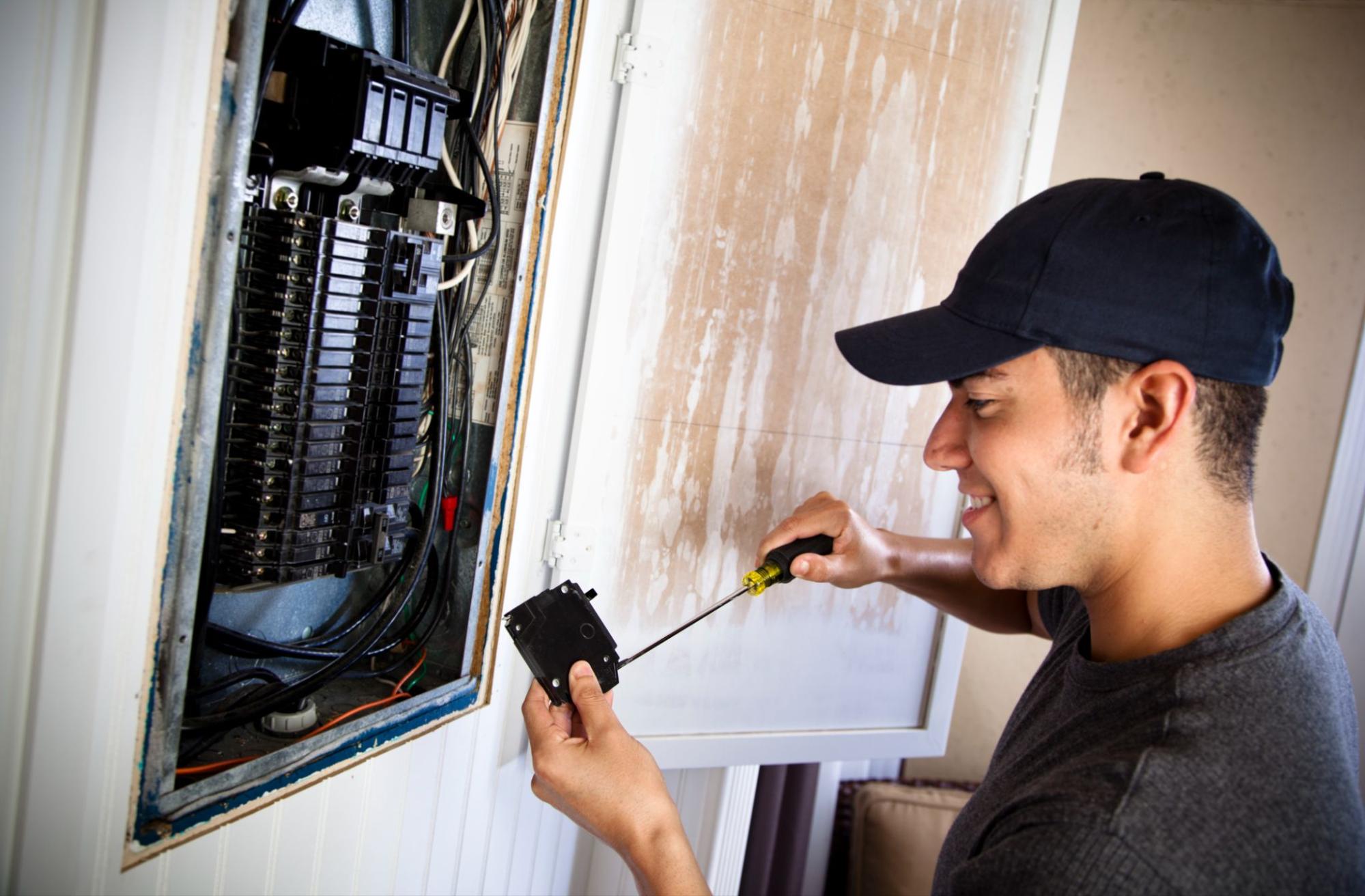
Professional electricians play a crucial role in identifying and resolving electrical code violations, securing your home remains safe and compliant. Their expertise extends beyond simple repairs – they provide comprehensive solutions tailored to the unique needs of your property.
- Thorough Electrical Inspections: A licensed electrician begins by conducting a detailed inspection of your home’s electrical system. This process includes:
- Identifying outdated wiring or components that violate current codes.
- Checking for proper grounding and bonding in outlets and panels.
- Assessing the condition of circuit breakers and fuses.
- Upgrading Outdated Systems: Once violations are identified, electricians recommend upgrades to bring the system up to standard. Common upgrades include:
- Replacing aluminum wiring with copper for improved safety and efficiency.
- Installing modern circuit breakers to handle increased power demands.
- Adding GFCIs and arc fault circuit interrupters (AFCIs) in required areas.
These upgrades not only comply with residential electrical codes but also enhance the overall performance of your system.
- Providing Long-Term Solutions: Unlike temporary fixes, professional electricians focus on sustainable solutions. For example:
- They make sure new installations meet or exceed Canadian Electrical Code requirements.
- Offer advice on energy-efficient systems to reduce utility costs.
- Document all work, providing proof of compliance for insurance purposes.
By addressing the root cause of violations, licensed professionals help homeowners avoid recurring issues and maintain a safe living environment.
Steps to Make sure Your Home Meets Electrical Code Requirements
Ensuring your home complies with electrical codes doesn’t have to be overwhelming. By following a structured approach, homeowners can systematically address potential violations and maintain a safe environment. Below is a simple guide outlining actionable steps to achieve compliance:
|
Step |
Action |
Why It Matters |
|
1. Schedule an Inspection |
Hire a licensed electrician to assess your home’s electrical system. |
Identifies hidden issues and secures a comprehensive review. |
|
2. Prioritize Critical Fixes |
Address urgent violations like faulty wiring or overloaded circuits first. |
Reduces immediate safety risks and prevents emergencies. |
|
3. Upgrade Outdated Components |
Replace old panels, outlets, or wiring with modern, code-compliant alternatives. |
Secures your system can handle current power demands safely. |
|
4. Install Safety Devices |
Add GFCIs in wet areas and AFCIs in living spaces as required by code. |
Protects against electrical shocks and fire hazards. |
|
5. Document All Work |
Keep records of inspections, repairs, and upgrades for future reference. |
Provides proof of compliance for insurance or resale purposes. |
While the table above outlines key steps, here are a few additional considerations:
- Regularly test smoke detectors and carbon monoxide alarms to make sure they’re functioning.
- Avoid DIY electrical work unless you’re fully qualified, as mistakes can lead to violations.
- Stay informed about updates to the Canadian Electrical Code that may affect your home.
By taking a proactive approach, homeowners can minimize risks and make sure their electrical systems remain safe, efficient, and compliant.
Final Thoughts on Addressing Electrical Code Violations
Addressing electrical code violations is not just about meeting standards – it’s about safeguarding your home and loved ones. From outdated wiring to overloaded circuits, these issues can lead to significant risks if ignored.
By staying informed and working with qualified professionals, homeowners can maintain compliance, reduce hazards, and avoid unnecessary costs. Prioritizing electrical safety ensures a secure and efficient living environment for years to come.
