

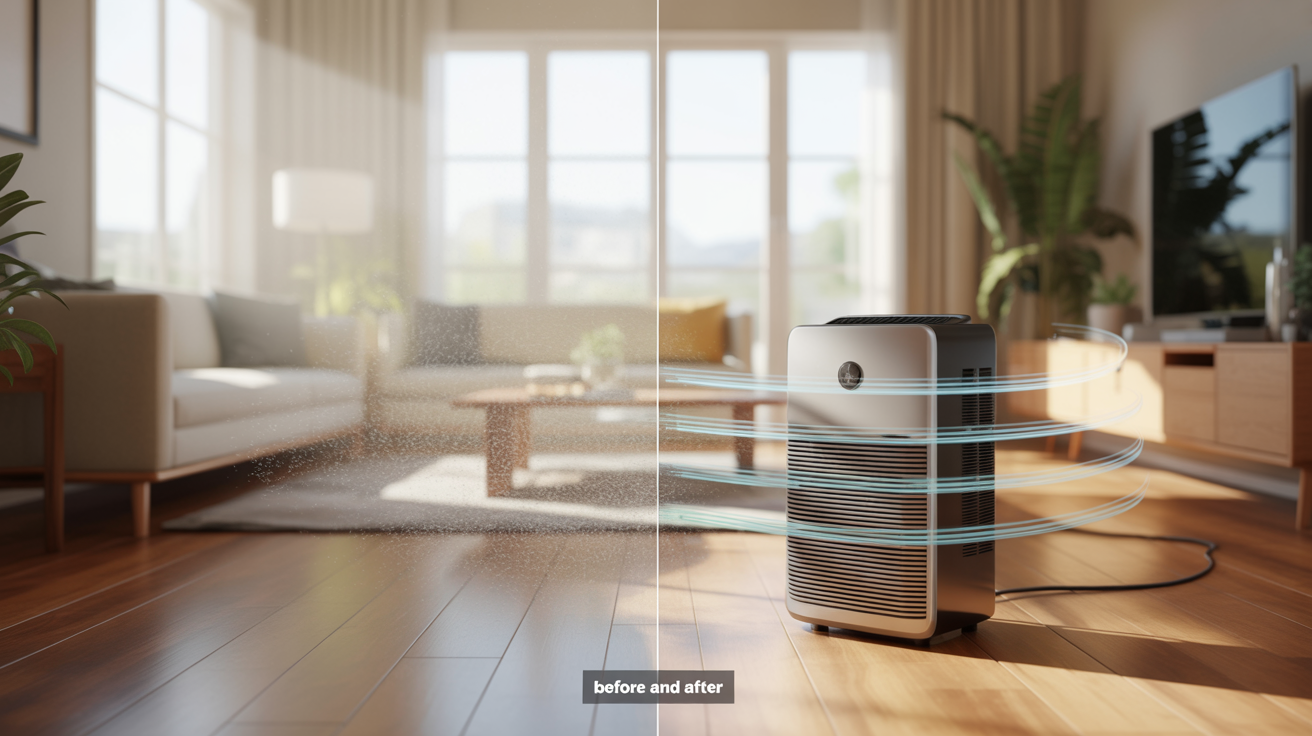
Do air purifiers work is one of the questions that are most frequently discussed by house owners in an attempt to obtain an answer as to how they could improve the air they breathe on a daily basis. Since more and more people care about allergies, pollutants, pet dander, and even wildfire smoke, the question is whether these devices can really or cannot help or not. To choose well, one can learn how air purifiers operate and what kind of particles they can be effective against. With an understanding of what they can and cannot do, you will know whether an air purifier is a good purchase for your house or not.
What Air Purifiers Do and How They Work
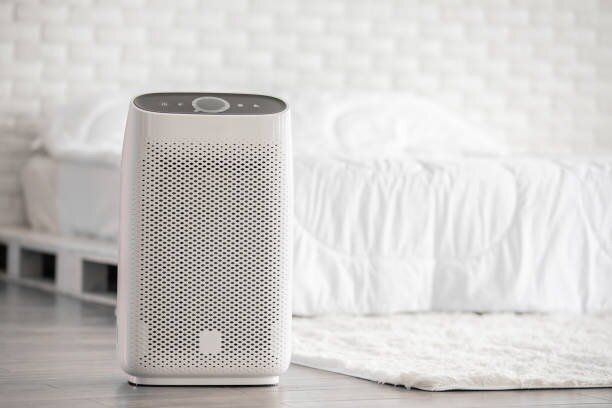
The air purifiers are created to purify the indoor air, getting rid of the invisible particles that may affect the comfort of your stay and health. Such devices as the Momcozy air purifier operate by drawing air in using pre-built filters, usually a pre-filter, a HEPA filter, and occasionally an activated carbon filter. These filters trap dust, pollen and pet dander, as well as microscopic allergens, as the air is circulated. HEPA filters, specifically, are regarded as the gold standard as they trap up to 99.97 percent of the minute particles as small as 0.3 microns.
Activated carbon is also present in some purifiers, and it absorbs cooking, pet and smoke gases and odours. Some of them incorporate UV-C light or other technologies to neutralize bacteria or mold spores, although some have different degrees of effectiveness. In essence, air cleaners are simply breathing filters that keep pumping the air through filters to produce a healthier breathing atmosphere.
Do Air Purifiers Work for Common Home Pollutants?
Air purifiers may be of great use in typical household pollutants; however, it depends on the pollutant and the quality of the device. When it comes to dust and allergens, the HEPA filters are quite effective in capturing particles before they settle and thus are especially helpful to allergy sufferers and pet owners.
In the case of smoke, whether it is due to cooking, cigarettes, or wildfires, both HEPA and activated carbon filter units are the most effective. The fine smoke particles are trapped by HEPA, whereas odor-causing molecules are absorbed by carbon. They will not get rid of the smoke, but they are capable of minimizing it significantly.
In the case of the mold spores, purifiers have the ability to trap airborne particles but not to eliminate the mold growing on the surfaces, hence they prevent propagation but not the root cause.
Only strong activated carbon filter purifiers are effective with chemicals, VOCs, and gases emitted by cleaning products, paint or furniture. HEPA alone devices will not deal with chemical pollutants.
All told and said, air purifiers are very effective at improving indoor air quality because they can attack what is floating around the air, but they cannot substitute regular cleaning or solving moisture problems.
Do Air Purifiers Work for Babies and Kids’ Rooms?
Parents tend to question the effectiveness of air purifiers in nurseries and children’s rooms. The answer is yes- they can make the breathing environment cleaner and safer, and this is because babies and young kids are more susceptible to air irritants.
Dust, pet dander and seasonal allergens can easily irritate the developing respiratory system of a baby in nurseries. A true HEPA filter purifier can be used to eliminate these particles, and activated carbon can help to eliminate any residual diaper or room odors.
Air purifiers can also be useful to children with allergies, asthma or sensitive sinuses. Although not a medical intervention, flare-ups can be reduced by reducing airborne triggers. They are particularly effective in homes that have pets, houses that have been in use longer, or where there is poor quality of air outside.
To be on the safe side, it is advisable to select purifiers that have no ozone emissions, run silently and are child-friendly. When used well, they can provide a more comfortable sleeping habit- and possibly a reduced number of night coughs or sniffles.
How to Choose an Air Purifier That Really Works
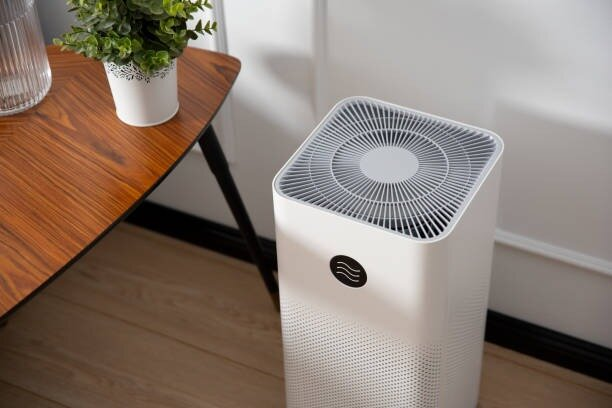
Choosing the right air purifier is key to seeing real results. Here’s what to look for:
- True HEPA Filter
- Activated Carbon Filter
- CADR Rating
- Room Size Compatibility
- Noise Level
- Maintenance Requirements
- Safety Features
Avoid HEPA-type or HEPA-like filters. A genuine HEPA filter will ensure maximum filtration of minute particles, including pollen, dust mites and smoke.
When you wish to minimize smells, gases or VOCs, be sure that the purifier has a thick, good-quality carbon filter- not a thin-coated sheet.
The rate by which a purifier cleanses air is determined by the use of CADR (Clean Air Delivery Rate). The larger it is, the faster it cleans. Identify the appropriate CADR ratings of smoke, dust and pollen based on your room size.
Several purifiers are sold to be used in large rooms, but actually perform better in smaller rooms. Always verify the recommended square footage and compare it with your room.
For bedrooms or nurseries, quiet operation matters. Look for 20–30 dB on low settings.
The filters should be changed frequently. Check the replacement schedule and cost to prevent surprises.
Ozone-generating purifiers should not be used, especially in infants, pets and people with weak health. Get the certification, such as CARB compliance, to prevent any toxic emissions.
Do Air Purifiers Work Compared With Other Cleaning Methods?
Purifiers are useful equipment to clean the air, but they do not replace conventional cleaning or ventilation. Instead, they complement other methods:
Air Purifiers vs. Dusting/Vacuuming
Vacuuming can clean dust off the surface, though it can sometimes blow dust up in the air. An air purifier treats the air that is in the air, and supplements cleaning.
Air Purifiers vs. Opening Windows
The air is clean outside, and there is excellent fresh air ventilation. However, the opening of windows can aggravate the air indoors during pollen season or in a wildfire, or on a very polluted day. In areas where ventilation is not possible, a purifier can maintain clean air.
Air Purifiers vs. HVAC Filters
HVAC systems operate on filters that are not high-efficiency filters but simple filters that trap large particles. Air purifiers offer on-demand target cleaning.
Air Purifiers vs. Mold Removal or Deep Cleaning
Purifiers minimize airborne spores and dust; however, not repair water damage or eradicate surface mould. They prevent but do not cure.
Conclusion
Air purifiers can work, but you have to choose the correct model and understand what it can and cannot do. They can help greatly in getting rid of air pollutants like dust, pollen, smoke particles, and pet dander, and they can also have a visible effect in homes with allergies, pets, babies, or in places where the quality of outdoor air is poor. They cannot substitute cleaning, ventilation, or remediation of a mold issue, but are a powerful tool for a healthier living environment.
