

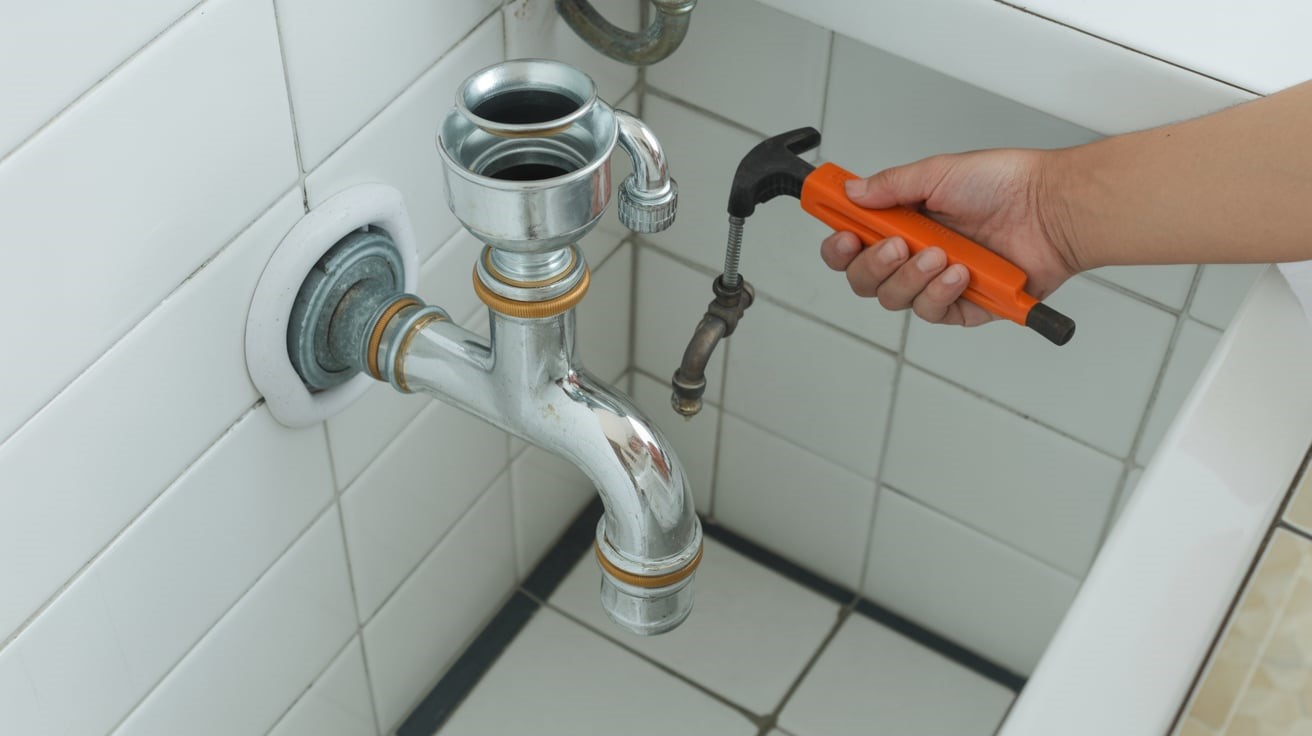
Plumbing systems in big cities face unique challenges. Unlike suburban homes, urban plumbing must handle higher demand, older infrastructure, and the wear-and-tear caused by numerous residents or commercial tenants. High-rise buildings, shared water lines, and limited access to pipes can make even minor issues become major problems if not addressed promptly. Understanding the most common plumbing problems in city environments and knowing how to solve them can save property owners from expensive damage and long-term headaches.
Clogged Drains and Sewer Blockages
One of the most frequent issues in urban plumbing is clogged drains. Hair, grease, food particles, and inappropriate waste such as wipes or sanitary products often accumulate in sinks, showers, and toilets, slowing the flow of water and eventually causing complete blockages. In older cities like London, tree roots can infiltrate sewer lines through tiny cracks, creating a tangle that is difficult to remove. Left untreated, these blockages can lead to serious backups and foul odors that affect multiple units in a building.
In situations where a blockage becomes severe or threatens property damage, it is crucial to contact an emergency plumber in London. Professionals can quickly assess the issue, clear the blockage, and ensure that the underlying pipes are not at risk of cracking or leaking. Regular maintenance, including using drain strainers and careful disposal of grease and waste, can help prevent these problems from recurring.
Leaky Pipes and Fixtures
Leaks are another common urban plumbing problem. Older buildings often have corroded pipes, while shifting foundations or temperature changes can stress plumbing connections. Leaky faucets, showerheads, and supply lines under sinks are not just annoying—they can lead to significant water loss and even structural damage if left unchecked. Homeowners often notice water stains on walls, damp patches, or higher-than-normal water bills before the leak becomes visible.
While minor leaks can sometimes be fixed by tightening connections or replacing washers, persistent or widespread leaks require professional intervention. In extreme cases, a complete repiping of a building may be necessary. Proactive inspections and early repairs are the most effective way to prevent leaks from escalating.
Low Water Pressure
Low water pressure can make daily activities such as showering or washing dishes frustratingly slow. In city buildings, low pressure often occurs because of mineral buildup inside pipes, partially closed shut-off valves, or high demand on shared water lines. Residents may notice a weak stream from faucets or inconsistent pressure between different fixtures in the same apartment.
Addressing low water pressure can be as simple as cleaning faucet aerators or checking valves, but older pipes may require descaling or even replacement. For buildings with chronic low pressure, installing a booster system may be the most effective long-term solution. Proactive maintenance and regular flushing of supply lines help reduce the buildup of sediment that contributes to these problems.
Running Toilets
A running toilet may seem minor, but it can waste significant amounts of water and increase bills. Common causes include worn flapper valves, faulty fill mechanisms, and mineral buildup in the tank. In high-density buildings, a running toilet can become a major nuisance, especially when multiple units are affected.
Most running toilets can be fixed with simple adjustments or replacements of the internal components. For older plumbing systems or repeated issues, professional plumbing services are often needed. Installing modern, water-efficient toilets can also help reduce waste and improve reliability over time.
Water Heater Failures
City residents often experience issues with water heaters, including inconsistent hot water, rumbling noises, or leaks at the tank base. Heavy usage, combined with sediment buildup and worn-out heating elements, causes most failures. A malfunctioning water heater is not only inconvenient but can also damage property if leaks go unnoticed.
Routine maintenance, such as flushing the tank and inspecting the anode rod, extends the lifespan of water heaters. In buildings with high demand, upgrading to a larger or tankless water heater can provide more reliable hot water while improving energy efficiency.
Sewer Line Damage
Major sewer line problems are common in urban areas with older infrastructure. Tree roots, ground movement, and corrosion in older pipes can all lead to significant blockages or breaks. Signs of sewer line damage include foul odors, repeated backups in multiple fixtures, or soggy patches in yards or basements.
Professional inspection using camera technology is essential for identifying the exact problem location. Solutions may include trenchless repairs, which minimize digging, or traditional pipe replacement in more severe cases. Preventive measures, such as careful landscaping and proper waste disposal, can help maintain the integrity of sewer lines over time.
Frozen Pipes
During cold winters, frozen pipes become a real risk in many cities. Water expands as it freezes, which can cause pipes to crack or burst. Exposed pipes in unheated areas, such as basements and attics, are especially vulnerable. Homeowners may notice frost on pipes, no water flow, or bulging sections.
Thawing frozen pipes should be done carefully with safe heat sources, and running a small stream of water can help prevent freezing. Insulating pipes and sealing drafts are essential long-term strategies for reducing the risk of winter damage.
Fixture and Appliance Wear
Finally, high-frequency use of household appliances in urban buildings accelerates wear and tear on plumbing. Washing machines, dishwashers, and other water-connected appliances can develop leaks, clogged hoses, or faulty connections over time. Regular inspection, cleaning filters, and replacing hoses every few years helps prevent unexpected failures and reduces the need for emergency repairs.
Conclusion
Plumbing issues in big cities are often a combination of high demand, aging infrastructure, and heavy usage. While minor problems can sometimes be managed with quick fixes, many require professional intervention to prevent further damage. Regular inspections, timely maintenance, and understanding the warning signs of common issues like leaks, blockages, or water heater failures can save both time and money.
For urgent situations, having the contact of a reliable emergency plumber ensures that problems are resolved quickly and efficiently, minimizing disruption and protecting your property. Whether you are a homeowner, renter, or property manager, proactive plumbing care is essential for maintaining comfort and safety in an urban environment.
