

When homeowners think about improving their living space, the focus is usually on what they can see: updated kitchens, fresh paint, new flooring, or carefully styled interiors. However, some of the most important home improvements happen out of sight. One of those is CIPP pipe lining Raleigh, a modern plumbing solution that’s gaining attention among Raleigh homeowners who want to protect their homes without tearing them apart.
Cured-in-place pipe (CIPP) lining is a strategic home improvement that preserves interior design, landscaping, and long-term property value. For homeowners who care about aesthetics, functionality, and smart upgrades, understanding CIPP is essential.
What Is CIPP Lining?
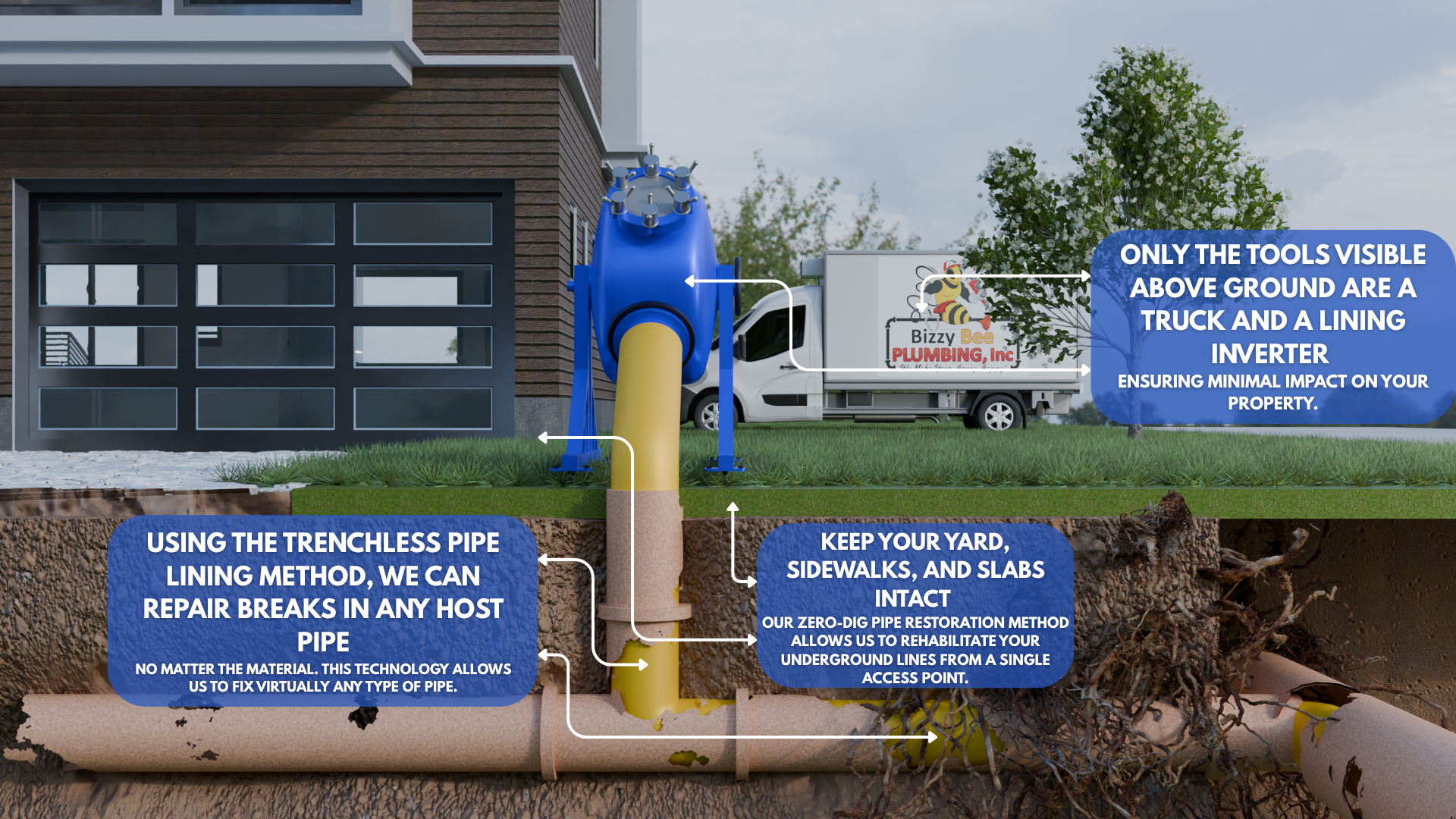
CIPP is a trenchless method of repairing damaged sewer or drain pipes without excavation. Instead of digging through floors, walls, or yards to replace pipes, a flexible liner saturated with resin is inserted into the existing pipe. Once positioned, the liner is cured and hardens, forming a new pipe inside the old one.
The result is a seamless, joint-free pipe that restores structural integrity and improves flow without demolition. This approach has become increasingly popular in Raleigh, where many homes have aging underground plumbing but updated interiors and mature landscaping homeowners want to preserve.
Why CIPP Matters in Home Improvement and Interior Design
1. It Protects Finished Interiors
Renovated kitchens, custom tile, hardwood floors, and built-in cabinetry can all be destroyed by traditional sewer repairs. Excavation often means cutting through slabs or opening walls, undoing months (or years) of interior design work. CIPP allows plumbing repairs to happen beneath the home, not through it. Floors stay intact. Walls remain untouched. Your design choices are preserved.
2. It Preserves Landscaping and Outdoor Living Spaces
Many Raleigh homes feature patios, gardens, and outdoor entertaining areas that are just as thoughtfully designed as the interior. Traditional sewer replacement can rip through lawns, tree roots, walkways, and hardscaping. Since CIPP is trenchless, yards and landscaping remain undisturbed; an important consideration for homeowners who’ve invested in curb appeal or outdoor design.
3. It Fits a Preventive Home Care Mindset
Home improvement is about preventing future damage. Just like sealing grout, servicing HVAC systems, or resealing decks, addressing sewer lines proactively helps avoid emergencies that can damage interiors.
Small plumbing problems often escalate quietly. Experts frequently warn that minor pipe issues can lead to severe structural damage if left unaddressed, which is why understanding sewer line repair matters in overall home care planning.
Raleigh Homes and Aging Infrastructure
Raleigh has a diverse housing stock that includes older homes with cast iron or clay pipes as well as newer builds affected by soil movement and tree root intrusion. Over time, pipes can crack, corrode, or shift, leading to slow drains, recurring clogs, odors, or backups. CIPP is particularly well-suited for:
- Homes with slab foundations
- Properties with limited access to underground pipes
- Neighborhoods where excavation would be disruptive or costly
Instead of replacing pipes entirely, CIPP extends their lifespan by decades.

Where DIY Homeowners Fit In
While CIPP installation must be performed by trained professionals, homeowners who enjoy DIY projects can still play an important role before and after the process.
Before CIPP Installation
Homeowners can:
- Clear access to cleanouts
- Document plumbing symptoms
- Identify landscaping or interior areas they want protected
Understanding your home’s plumbing layout is just as important as knowing where wiring or load-bearing walls are before a renovation.
After Installation
Once CIPP is complete, maintenance becomes part of routine home care:
- Avoid flushing wipes or non-biodegradable items
- Use drain strainers
- Schedule periodic inspections
This proactive approach mirrors the same care homeowners give to finishes, furniture, and fixtures.
How CIPP Adds Real Home Value
Increased Market Appeal
Buyers are increasingly educated about infrastructure. A home with documented sewer improvements is less risky and more appealing, especially when paired with updated interiors.
Fewer Renovation Delays
Sewer issues discovered during remodels can stall projects and inflate budgets. Addressing pipes early keeps renovation timelines intact.
Long-Term Cost Savings
Avoiding excavation means fewer repairs to flooring, drywall, landscaping, and hardscaping, which are savings that add up quickly.
Integrating CIPP into a Smart Home Improvement Plan
Home improvement works best when it’s holistic. Just as homeowners coordinate paint colors with flooring or lighting with furniture, infrastructure upgrades should be planned alongside visible improvements. Ideal times to consider CIPP include:
- Before kitchen or bathroom remodels
- Prior to installing new flooring
- During home inspections or pre-sale preparations
- When recurring drain issues appear without visible cause
By addressing what’s hidden first, visible upgrades are protected.
Choosing the Right Professional for CIPP in Raleigh
Not every plumbing issue qualifies for CIPP, which is why inspections matter. Reputable professionals use camera inspections to determine whether lining is appropriate and explain options clearly.
Homeowners researching modern plumbing solutions often start by learning why sewer line repair matters in protecting homes long-term, especially when aesthetics and livability are priorities. The right provider will:
- Explain the process step by step
- Protect your home and property
- Provide documentation for future buyers or insurers
The Takeaway: Design Isn’t Just What You See
Great home design extends beyond surfaces. It includes the systems that keep a home comfortable, functional, and protected. CIPP pipe lining is one of those behind-the-scenes improvements that aligns perfectly with modern homeownership: minimal disruption, maximum preservation, and long-term value. For Raleigh homeowners who care about design, DIY maintenance, and smart improvements, CIPP is part of responsible, forward-thinking home care.
