

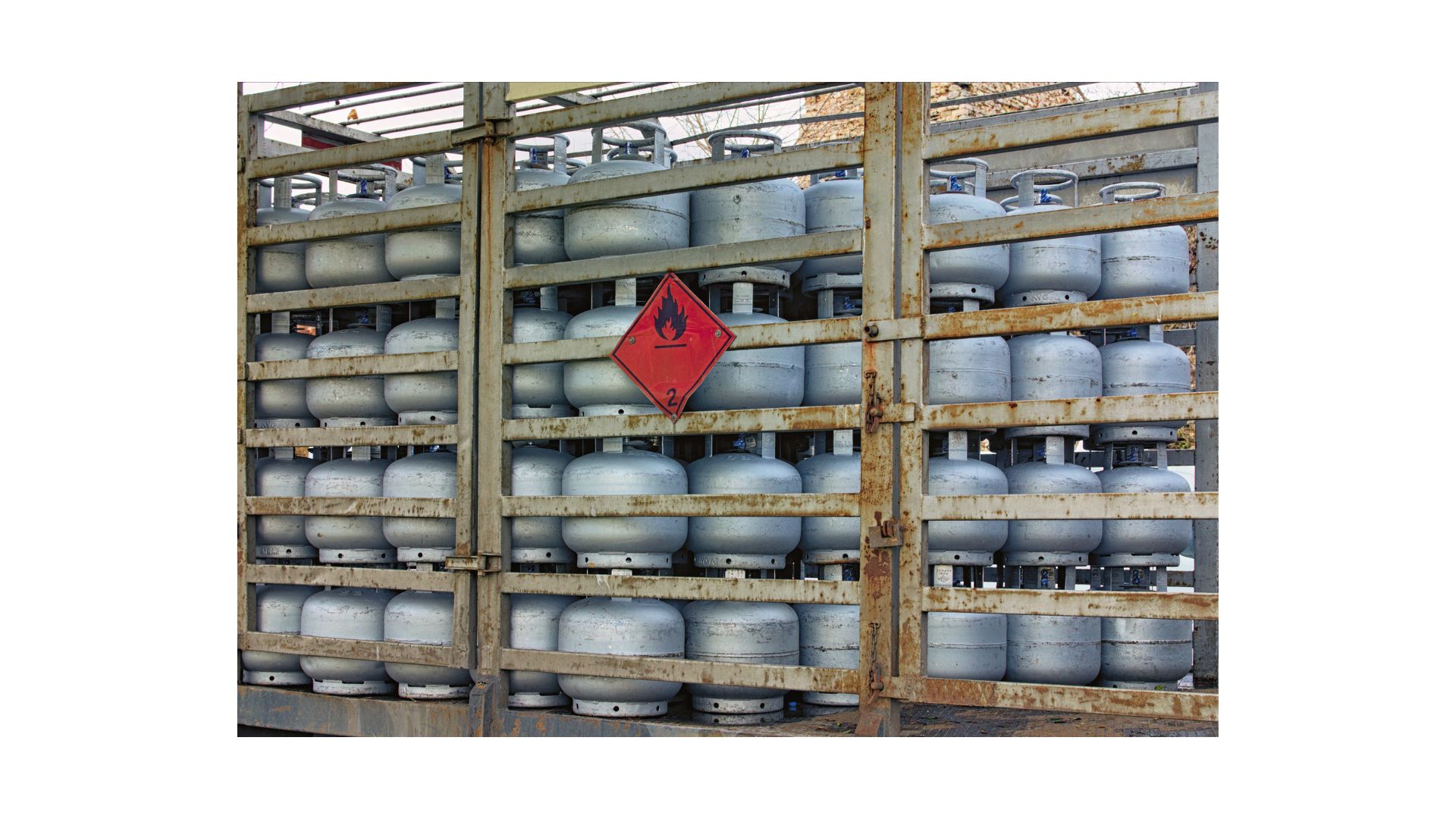
Gas plays a much larger role in home comfort than most people realise. Despite it flying under the radar, everything from heating water to cooking dinner to powering outdoor features form part of the quiet infrastructure that keeps a household functioning smoothly. Because of this, many homeowners search for information about gas suppliers when reviewing how their home is fuelled, but the broader question is how to make smart, long-term decisions about energy reliability and safety.
Whether you live in a city apartment, a suburban home or a rural property that relies on cylinder delivery, understanding how domestic gas systems work can help you create a more efficient and resilient living environment.
Why Energy Supply Matters More Than Many People Realise
Most households only think about gas or fuel when something goes wrong. Maybe the hot-water system stops working, the outdoor heater won’t ignite, or a delivery runs late just as the kitchen fills with guests. These moments highlight how deeply integrated energy supply is in daily life.
Reliable energy plays a central role in:
- Water heating efficiency
- Indoor comfort and warmth
- Cooking performance
- Outdoor entertaining
- Seasonal cost control
Even the aesthetics of a home can be shaped by the type of energy system it uses. For example, homes designed with hidden service areas, smart utility enclosures or integrated outdoor kitchens depend heavily on predictable fuel access.
Understanding your supply options (piped, bottled, hybrid or electric) helps you future-proof your home while keeping bills manageable.
What Determines the Type of Gas Supply Your Home Needs?
Every property has its own combination of layout, appliances and location-based constraints. Several factors influence the best fit.
Property location
Urban homes often have access to mains networks, while rural or regional homes may rely entirely on cylinders. Bushfire-prone areas may require specific installation clearances and compliance checks.
Building design
Some homes have purpose-built external utility spaces, while others depend on compact enclosures or discrete side-access arrangements. Larger homes or multi-storey layouts may require more robust delivery systems to meet demand.
Number of gas appliances
The type and quantity of appliances play a major role in sizing systems, including:
- Hot-water units
- Gas cooktops
- Space heaters
- Outdoor BBQs or heating towers
- Backup generators
The more appliances you run, the more carefully your supply must be managed.
Usage patterns
Households with frequent cooking, long showers or regular outdoor entertaining naturally need a more consistent supply strategy. Understanding your habits makes budgeting and planning easier.
Choosing Between Cylinder Gas and Piped Supply
Although the decision is sometimes made by geography, some properties can choose between cylinder systems and piped supply. Each comes with benefits that suit different lifestyles.
Cylinder systems
Ideal for rural homes, renovations and energy-flexible households. They offer installation ease, independence from mains outages and straightforward backup options. They also suit homes that prefer diversified energy systems rather than relying entirely on electricity.
Piped supply
Predictable and usually maintenance-light, piped systems support steady use—especially in properties with multiple gas appliances. They typically require less hands-on management but depend on network reliability.
Many homeowners don’t realise that mixed systems are possible. Some use cylinders purely for cooking while relying on electricity for heating. Others choose cylinder gas for outdoor setups while keeping indoor appliances electric for simplicity.
Planning Storage and Access Around Your Home
A well-designed gas storage zone improves both safety and home aesthetics. When planning a new build or retrofit, consider:
- Distance from windows, doors and ignition sources
- Access for delivery or inspection
- Concealment that still allows ventilation
- Weather protection without enclosing cylinders
- Safe and tidy pipe routing
Thoughtful placement blends safety with a cleaner, more intentional exterior design.
Safety Practices Every Household Should Know
Responsible gas use starts with awareness. Homeowners should regularly check:
- Cylinder condition and expiry dates
- Regulator integrity
- Appliance flame quality
- Ventilation in areas with gas appliances
- Signs of pests, corrosion or physical damage to storage areas
- Strange odours or hissing near connections
A licensed technician should inspect systems annually, especially in households using multiple appliances or older installations.
Energy Efficiency Starts with Smart Use
Even the most reliable supply won’t help if appliances are inefficient or poorly maintained. Small adjustments can make a noticeable difference in performance and running costs.
Consider:
- Upgrading older cooktops or heaters
- Using lids when boiling water to reduce energy waste
- Ensuring hot-water settings match household needs
- Installing weather sealing to maintain heat in winter
- Switching to high-efficiency outdoor heaters
These changes often cost little yet save in a major way over time.
Future-Proofing Your Home Through Energy Planning
Home energy needs change over time. Growing families, renovations, outdoor projects or new appliances all influence supply requirements.
When planning ahead, think about:
- Whether your current supply system is scalable
- If you’ll want gas in future outdoor living zones
- How electrification trends may affect long-term choices
- Whether you may shift to hybrid energy systems
- How local regulations or climate patterns may evolve
A home with flexible infrastructure is easier to upgrade, safer to maintain and more appealing when it comes time to sell.
A Balanced Approach to Home Energy
You don’t need to become an energy expert to make informed decisions. Mapping out how your household uses heat, cooking, water and outdoor features will naturally reveal the best supply approach. The goal is to facilitate a living environment that works for your routines and feels reliable all year round.
Final Thoughts
Reviewing your home’s energy setup isn’t just a matter of choosing between gas suppliers. It’s about understanding how daily life unfolds within your space and ensuring the systems behind the scenes support that rhythm. Whether you rely on electricity, cylinders or piped networks, the right choices help you manage comfort, cost and long-term resilience.
A quick search for providers may start the process, but what truly matters is how the supply integrates with your home’s design, safety and future plans.
