

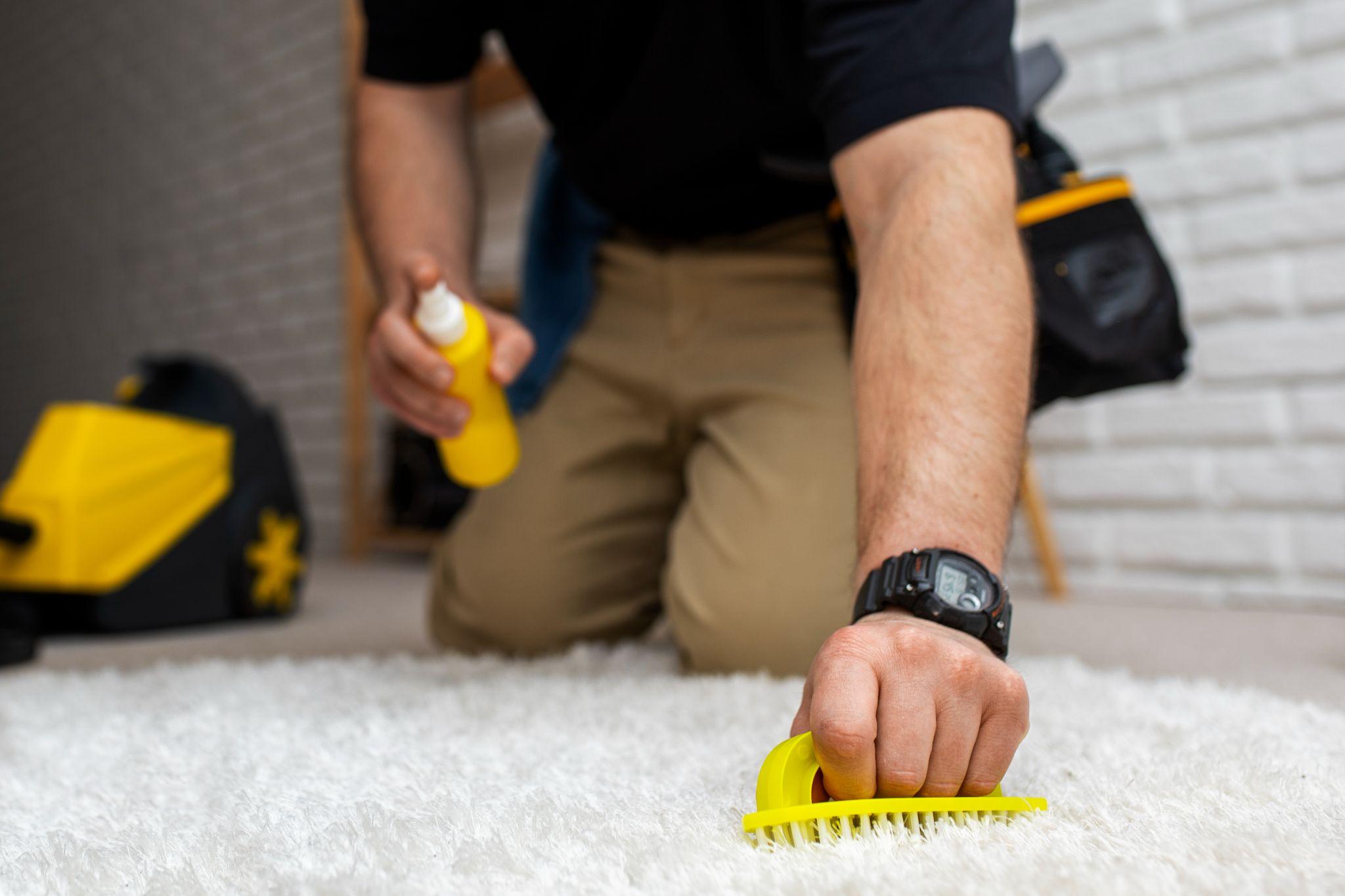
You have about 30 minutes between a simple spill and permanent damage. Whether it's red wine during dinner, coffee before work, or a pet accident, what happens in that first window determines if the stain becomes part of your carpet's history.
Understanding carpet stain removal isn't about using the strongest cleaner. It's about timing, technique, and knowing how different substances interact with fibers.
The First 30 Minutes: Why Speed Matters More Than Strength
Carpet fibers absorb liquid through capillary action. The longer moisture sits, the deeper it travels into the backing and padding below. Heat, friction, and time accelerate bonding between the staining agent and fibers.
The golden rule: blot, don't rub. Rubbing pushes the liquid deeper and spreads the stain outward. Blotting with a clean, dry cloth applies controlled pressure, lifting moisture upward. Work from the outside edge toward the center.
Cold water is your safest first response. It dilutes most spills without triggering chemical reactions. Hot water bonds with protein-based stains, such as blood, and intensifies tannins in coffee and wine.
Keep natural solutions and cleaning essentials within reach: clean white cloths, cold water, mild dish soap, white vinegar, baking soda, and hydrogen peroxide (for light carpets only).
1. Red Wine: Neutralizing Pigment Before It Bonds
Red wine stains fast. Strong pigments and tannins attach quickly to fibers, so immediate dilution is critical.
Blot firmly with a clean cloth to absorb surface liquid. Use steady pressure, not aggressive force. Apply cold water to dilute the remaining wine and blot again.
Mix white vinegar with a drop of dish soap to break down residual pigment. Apply sparingly and blot repeatedly rather than saturating the area. Over-wetting pushes pigment into the backing.
For light carpets, hydrogen peroxide may lift lingering discoloration. Test in an inconspicuous area first, as it can lighten fibers.
Never apply heat. It accelerates bonding and may permanently set the stain.
2. Coffee: Managing Tannins Before They Oxidize
Coffee darkens over time through oxidation. What looks faint initially can intensify hours later if not fully removed.
Blot thoroughly to remove liquid. Apply cold water and blot again. If discoloration remains, use one tablespoon of white vinegar mixed with mild dish soap and water.
Apply lightly and blot. Never scrub, as it frays fibers and spreads pigment. Alternate between applying the solution and blotting until the stain lightens significantly.
Avoid over-saturating the carpet. Excess moisture reaching the padding can cause secondary issues such as odor or mildew.
When treated promptly, most coffee stains disappear without a trace. Delaying oxidation allows the discoloration to deepen.
3. Pet Urine: Eliminating Odor at the Source
Pet accidents require more than surface cleaning. Urine penetrates quickly, and bacteria in the padding can cause a lingering odor long after the visible stain has faded.
Blot immediately with absorbent cloths. Apply steady pressure to draw liquid upward. If fresh, this step alone significantly reduces long-term impact.
Apply equal parts white vinegar and cold water. Vinegar neutralizes ammonia compounds responsible for odor. Lightly apply and blot repeatedly. Don't saturate the area.
Once mostly dry, sprinkle baking soda over the surface and let it sit for several hours. It absorbs remaining moisture and neutralizes residual odor. Vacuum thoroughly.
If odor resurfaces days later, liquid penetrated beneath the fibers. Surface treatment alone won't resolve the issue.
4. Grease and Oil: Breaking Down Residue Without Spreading It
Grease stains behave differently from water-based spills. Oil doesn't dilute with water and clings tightly to fibers. The key is breaking down residue without forcing it deeper.
Blot gently to remove excess grease. Don't rub, as friction embeds oil further into fibers.
Apply a small amount of mild dish soap to a damp cloth and blot the stain. Dish soap cuts through grease effectively in controlled quantities. Work slowly, lifting residue rather than saturating carpet. For similar cleaning challenges on other surfaces, check out these natural cleaning solutions that work throughout your home.
Use lukewarm water to rinse lightly; never use hot water. Blot with a dry cloth to remove moisture.
Grease stains often require multiple light treatments rather than a single aggressive attempt.
5. Ink: Precision and Patience Over Pressure
Ink contains dyes that spread quickly with excessive moisture. Restraint is essential.
Place a clean cloth beneath the stained area if possible to prevent bleed-through. Using a cotton swab dipped in isopropyl alcohol, gently dab the ink spot. The goal is controlled lifting, not saturation.
Blot lightly with a clean cloth after each application. Continue gradually, allowing alcohol to dissolve the ink in stages. Never pour alcohol directly onto the carpet, as it can spread the stain.
Work in small sections and replace cloths as they become stained. Patience is critical.
Once the ink has lifted significantly, blot with cold water to remove residual alcohol, then air-dry completely.
6. Mud: Let It Dry Before You Touch It
Mud is one of the few stains that improve with time. Cleaning it wet only spreads soil deeper and enlarges the affected area.
Let the mud dry completely. Once hardened, vacuum thoroughly to remove loose debris. This step alone often eliminates most visible discoloration.
If a faint stain remains, apply a mild dish soap solution in cold water with a clean cloth. Blot gently from the outer edges inward. Avoid over-wetting, especially with clay-heavy soil that binds tightly to fibers.
Blot with a dry towel to remove excess moisture, then air-dry naturally.
7. Blood: Cold Water Is Non-Negotiable
Blood is protein-based, meaning heat permanently bonds it to fibers. Immediate action with cold water is critical.
Blot gently with a cloth dampened in cold water. Don't scrub. Continue blotting, switching to clean cloth sections, until the stain lifts.
For persistent discoloration on light-colored carpets, hydrogen peroxide may help break down residual stains. Apply sparingly and test first.
Avoid steam cleaners or warm water. Even moderate heat sets the stain permanently.
When DIY Isn't Enough: Recognizing Permanent Risk
Not all stains respond to household methods. If a spill has been present for over 24 hours, the area is large, or discoloration resurfaces after drying, deeper penetration has likely occurred.
Certain materials, like wool, require fiber-specific solutions. Over-the-counter products can damage delicate fibers or alter texture. Lingering odors, particularly from pet accidents, indicate moisture has reached the padding. While many hardwood floor stains can be handled at home, carpet fibers present unique challenges.
Professional extraction systems remove residue below the surface layer. Homeowners dealing with stubborn or recurring stains may benefit from consulting a carpet cleaning company serving Allentown, PA, equipped with commercial-grade equipment designed to restore carpets without causing fiber damage.
Understanding DIY limits prevents a manageable issue from becoming premature carpet replacement.
Preventing the Next Spill from Becoming Permanent
Keep a response kit nearby: clean cloths, white vinegar, baking soda, mild dish soap, and hydrogen peroxide. This ensures immediate action rather than searching for supplies while the stain sets.
Avoid heat during initial cleaning, resist scrubbing, and let treated areas dry thoroughly before evaluating results. Quick, methodical action beats aggressive reaction every time. Just as you might use a vinegar solution for vinyl plank flooring, these same household staples work wonders on carpet stains when used correctly.
