

Dryer repair often feels like a mystery until you actually go through the process.
When my dryer stopped heating last winter, I had no idea what to expect and assumed it would take days.
Instead, the experience was quicker, smoother, and more informative than I imagined.
The First Signs That Something’s Wrong
The story usually begins with small signs—clothes taking longer to dry, unusual noises, or a burning smell.
I ignored the early hints at first, thinking it was just my heavy blankets slowing the cycle.
But when a simple load of T-shirts came out damp after an hour, I knew it was time to call in a professional.
Here’s a detailed guide on dryer repair that explains when to fix versus replace, which helped me understand the process before booking service.
Scheduling the Appointment
The first step is usually a phone call or online booking.
Most technicians ask for a description of the issue, the make and model of your dryer, and your availability.
From my own experience, giving accurate details about the noise and performance saved time during the visit.
The Technician’s Arrival
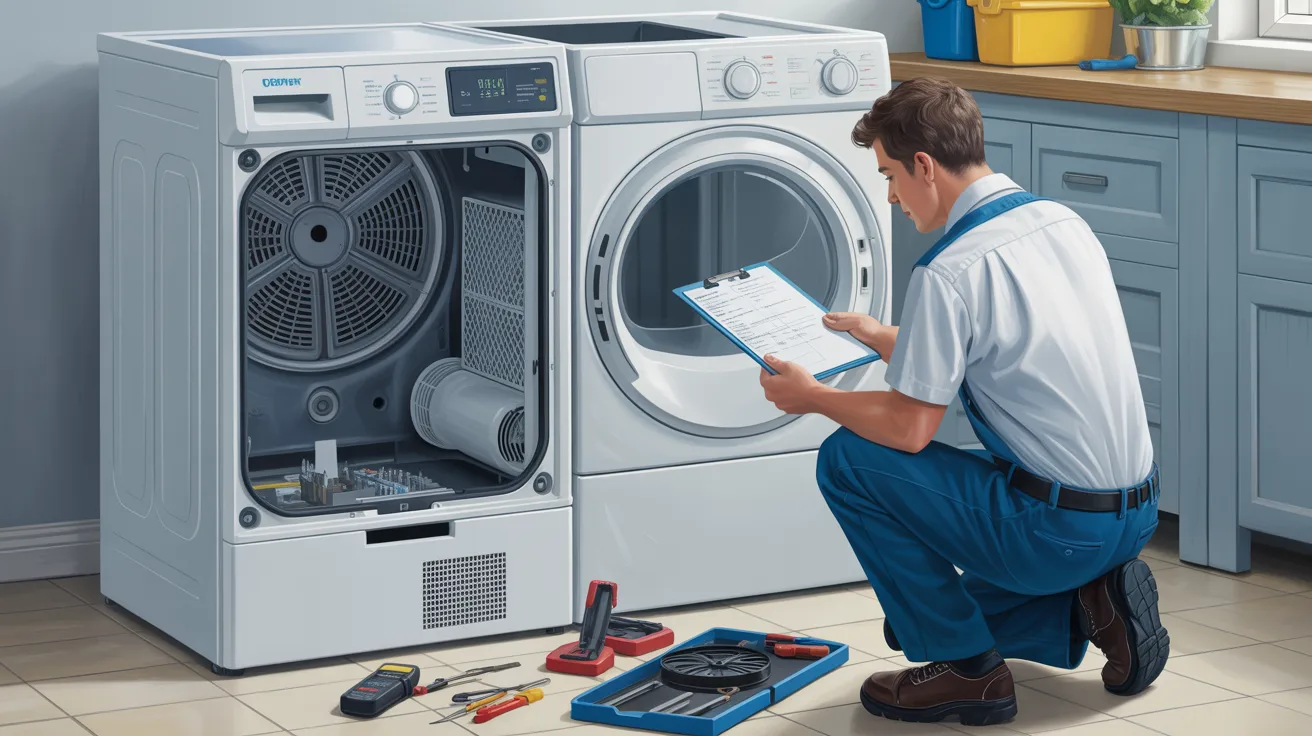
When the technician arrived, he came prepared with a toolkit and diagnostic equipment.
The process started with a quick inspection of the power source, vent system, and interior components.
I appreciated that he explained each step, pointing out how lint buildup around the vent could strain the motor.
The Diagnostic Process
Diagnosing the issue often takes less time than expected.
In my case, the heating element had failed, a common issue with older dryers.
The technician tested electrical continuity, checked the thermostat, and confirmed the problem in less than 20 minutes.
The Repair Breakdown
Once the problem was identified, the technician explained the repair cost upfront.
There were no hidden charges—just the part replacement and standard labor.
He even showed me the worn-out element, which made me feel confident about the repair decision.
Real-Life Example of Cost vs. Replacement
One of my neighbors had faced a similar issue, but their machine was more than 15 years old.
Instead of paying for a costly repair, they chose replacement.
Hearing their story helped me see why professionals often weigh the age of the dryer against the repair price.
Common Fixes You Might See
- Heating element replacement
- Thermostat calibration
- Drive belt adjustment
- Motor repair
- Vent cleaning
Each of these repairs comes with its own timeline.
Some can be done on the spot, while others may require ordering parts.
Preventive Advice From Professionals
One of the best parts of a service call is the education you receive.
My technician advised me to clean the lint trap thoroughly after every load and schedule vent cleaning once a year.
This simple advice can extend the life of the machine and prevent fire hazards.
How Long Does It Take?
A standard repair session usually lasts between one to two hours.
In my case, the technician had the part in his van and completed the job in under an hour.
The dryer was running again before dinner, and I didn’t have to haul wet clothes to a laundromat.
What You Can Do Before a Service Visit
Clear the area around the dryer to give the technician easy access.
Have the model number and any warranty details ready.
Take note of the symptoms, such as unusual sounds or cycle times, so you can describe them clearly.
Lessons Learned From My Experience
I went into the appointment expecting stress and high costs.
Instead, I gained peace of mind, a fully functional dryer, and tips to avoid future breakdowns.
The experience showed me that professional repair is less about quick fixes and more about long-term reliability.
Final Thoughts
Professional dryer repair services are not just about getting your machine running again.
They provide insights into appliance care, safety, and cost-saving decisions.
If you notice early warning signs, don’t wait until the problem escalates.
Calling a technician early often saves time, money, and frustration.
